






Le LL.M. Tax est une maîtrise universitaire d’études avancées décernée par l’Université de Genève correspondant à 60 crédits ECTS (European Credit Transfer System).
INSCRIPTION AU PROGRAMME
Premier délai d’inscription pour la volée 2025-2026: 30 juin 2024
S’inscrire
INSCRIPTION À DES MODULES ISOLÉS
Les admissions relatives à des modules isolés pour la volée 2023-2024 seront examinées au fur et à mesure de leur réception dans le cadre des places restant disponibles.
S’inscrire
Le mot des directeurs
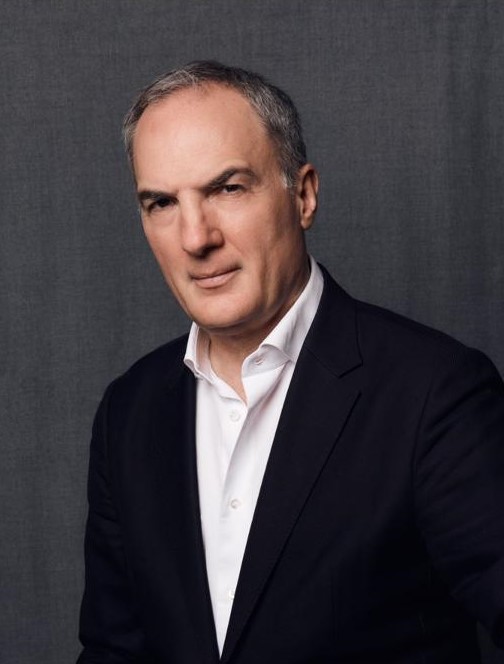
Dans le contexte actuel, il ne suffit plus de disposer de connaissances générales en fiscalité. Une vision complète et détaillée du système fiscal est nécessaire.
Prof. Xavier Oberson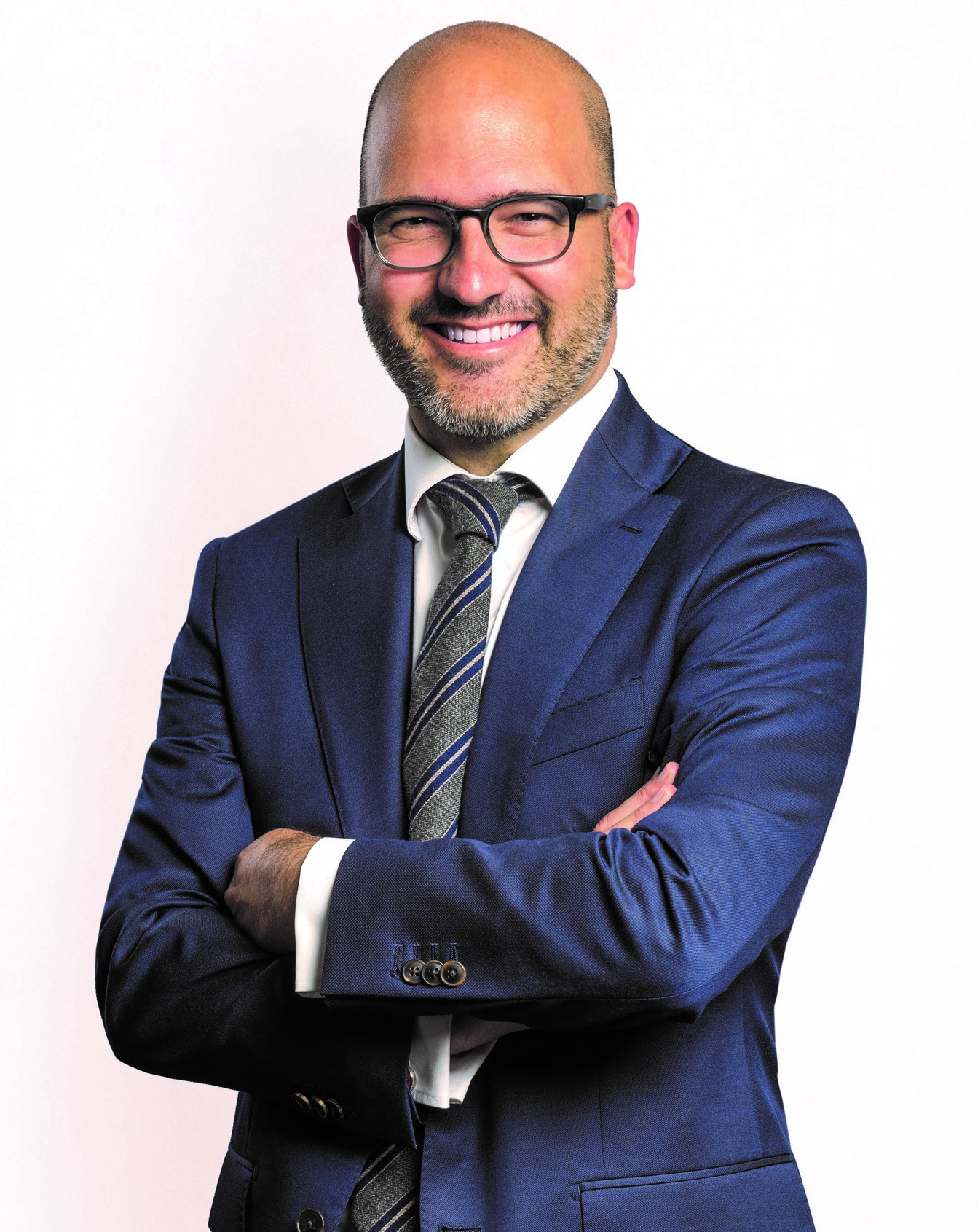
Le mot des directeurs
Anticiper les changements et s’y préparer: c’est l’objectif de formation que poursuit la faculté de droit de l’Université de Genève avec le programme LL.M. Tax.
Dr. Jean-Frédéric MaraiaTemps forts
Examen de rattrapage : 4 octobre 2024
Enseignants
Prof. Xavier Oberson
Professeur ordinaire (Université de Genève), associé (Oberson Avocats), Membre de la Commission fédérale d’harmonisation des impôts directs – droit fiscal suisse et international, fiscalité des artistes et sportifs, réforme fiscale…
Tous les enseignantsMe Jean-Frédéric Maraia
Directeur exécutif du programme LL.M. Tax, associé (Schellenberg Wittmer SA), chargé de cours (Université de Genève) – fiscalité des personnes physiques et des personnes morales, fiscalité écologique…
Tous les enseignantsDre Nicole Beiner
Chief Administrative Officer (CAO), FlowBank SA; senior advisor de l’AZEK; membre de la commission d’examen de la SFAA
Tous les enseignants
Prof. Ranja Gibson Brandon
Managing Director of the Geneva Finance Research Institut, she holds a Swiss Finance Research Institut Senior Chair and she is the Research Director of the Seiss Finance Institut…
Tous les enseignants
Me Alexandre Faltin
Chargé d’enseignement en droit fiscal à l’Université de Genève, faculté d’économie et de management, associé (Oberson Abels SA), enseignement de la fiscalité immobilière à l’Institut d’Etudes Immobilières.
Tous les enseignants
Prof. Pierre-Marie Glauser
Professeur et directeur du département de droit des affaires et droit fiscal (Université de Lausanne), associé (Oberson Avocats), membre permanent de l’Organe consultatif en matière de TVA – droit fiscal suisse et international, en particulier fiscalité de l’entreprise…
Tous les enseignants
Me Jean-Marie Hainaut
Associé Business Tax Service (BTS) pour la région de Genève, Ernst & Young Suisse, expert fiscal diplômé
Tous les enseignants
Pascal Mollard
Chef de projet au sein de l’Administration fédérale des contributions lors de l’adoption de la TVA (1993). Président de la commission fédérale de recours en matière de contributions (1994-2006) et de la commission fédérale de recours en matière de douanes (1994-2006)…
Tous les enseignants
Prof. Thierry Obrist
Professeur ordinaire et directeur du département de droit commercial (Université de Genève), associé (PSMLaw SA, Lugano), membre de la Commission des OPA et de la Commission des sanctions de la bourse suisse – droit des sociétés…
Tous les enseignantsQuestions/réponses
La participation active à chaque module exige un important travail personnel de préparation comprenant des lectures (en français ou en anglais) et des préparations de cas ou de dossiers..
L’enseignement est donné principalement en français. Une partie de la documentation est rédigée en anglais, de même que certains enseignements sont en anglais. La maîtrise active du français et passive de l’anglais est nécessaire.
Le LL.M. Tax est une formation à temps partiel, en cours d’emploi organisée par modules. L’enseignement est donné pendant 65 jours complets, principalement les vendredis (hors des périodes de vacances scolaires)…
Le LL.M. Tax de l’Université de Genève est une formation postgrade en cours d’emploi ouverte aux titulaires d’une maîtrise en droit, d’une licence en droit ou d’un titre jugé équivalent. LL.M. est l’abréviation de Magister Legum et de Master of Laws. Elle est internationalement reconnue comme désignant une formation académique postérieure à la formation juridique de base. Le LL.M. Tax correspond à 60 crédits ECTS (European Credit Transfer System).
Genève est l’une des deux places financières importantes en Suisse. A ce titre elle est au cœur des nombreuses transactions
Il n’y en a bien sûr aucune. Dans nos 6 premières volées, les étudiants ont entre 24 et 56 ans.
Cette formation est principalement destinée à des juristes titulaires d’une formation de base complète (licence ou maîtrise universitaire) et disposant d’une expérience professionnelle en rapport avec la fiscalité. S’agissant d’une formation à temps partiel, elle intéressera particulièrement les juristes en cours d’emploi, en Suisse ou à l’étranger.
Oui. Le LL.M.Tax n’est pas réservé exclusivement aux juristes. Une expérience ou une activité dans le domaine fiscal est en principe requise.
Ils ont suivi la formation

Après quatre ans d’expérience professionnelle en fiscalité dans une grande multinationale et titulaire d’un doctorat en économie, je savais qu’une telle formation était incontournable. J’ai donc décidé de compléter mon cursus en prenant part au programme LL.M. Tax. Le niveau très élevé de cette formation m’a clairement permis d’acquérir les outils pour résoudre des cas complexes en fiscalité au niveau Suisse et aussi dans le cadre de l’application des conventions [...]
Nadia Yerly ,
Le LL.M. Tax de l'Université de Genève, c’est d’abord une excellente formation permettant d’acquérir de solides connaissances en fiscalité suisse et internationale. La formation est complète, et couvre tous les domaines du droit fiscal, avec une approche tant juridique qu’économique, ce qui permet d’appréhender les enjeux fiscaux dans leur globalité. En tant qu’avocat actif notamment dans le domaine du droit commercial, le LL.M. Tax a été un complément de formation [...]
Alexandre Steiner ,
Expert-comptable dans une fiduciaire comptant une quinzaine de collaborateurs, j’ai rapidement pris conscience qu’au-delà des questions comptables ou d’audit, les problématiques fiscales étaient au cœur des préoccupations des clients, personnes physiques ou personnes morales. Dès lors, j’ai acquis la conviction qu’une bonne connaissance de la fiscalité suisse sur les trois niveaux, fédéral, cantonal et communal mais aussi de la fiscalité internationale, constituait un atout majeur pour répondre au mieux à [...]
Alexandra Bioche ,
Après plusieurs années à l'étranger et un retour dans le conseil en prix de transfert, acquérir des connaissances de base en fiscalité était devenu important pour la suite de ma carrière. Le LL.M. Tax de l'université de Genève a totalement répondu à mes attentes en offrant une formation pointue sur les différents aspects de la fiscalité suisse et internationale promulguée par les meilleurs experts de la place. Le LL.M. Tax [...]
Xavier Tinguely ,
Titulaire du brevet d’avocat et travaillant depuis de nombreuses années au sein du service juridique d’une entreprise, mon employeur m’a proposé de reprendre le poste de responsable fiscal du groupe à la condition que j’entreprenne une formation de droit fiscal. A la lecture de son programme, le LL.M. Tax m’a paru être le choix parfait, ce qui m’a été confirmé par la suite tout au long de ma formation. En [...]
Nicole Blöchlinger ,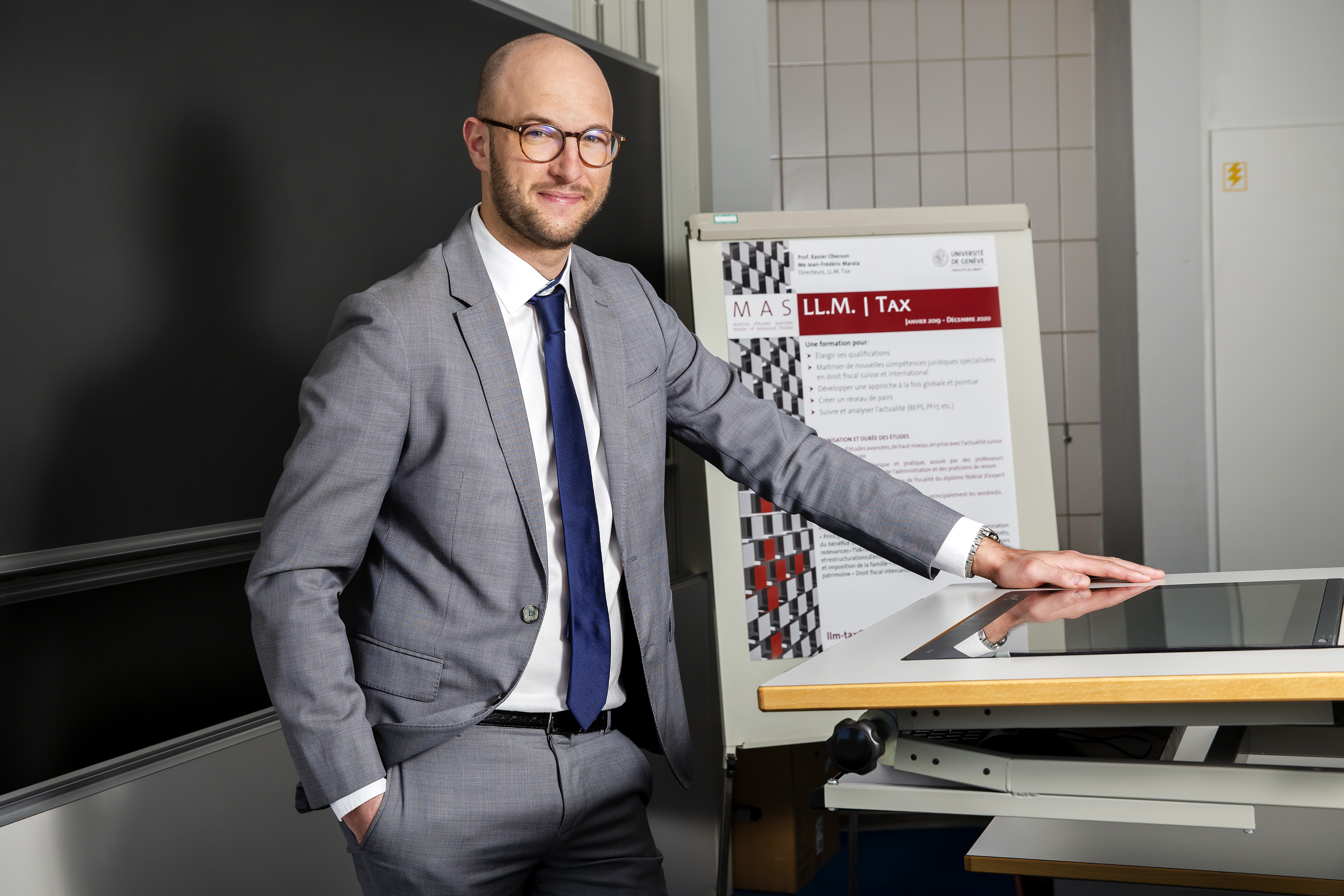
Les apports du LL.M. Tax de l’Université de Genève peuvent être résumés en quatre points : une formation juridique complète, des « clés » pour l’avenir en entreprise, un réseau et, souvent, des changements professionnels qui découlent directement du programme. En parallèle de la fin de mon Master comptabilité et finance à HEC Lausanne, j’ai exercé un emploi dans une petite fiduciaire. La comptabilité, bien qu’intéressante à étudier, m’a rapidement lassé dans la [...]
Kilian Tournier ,
Fiscaliste internationale au sein d’une fiduciaire, j’ai souhaité compléter mon cursus universitaire par une formation internationale. Dans cette optique, le LL.M. Tax m’a semblé être l’idéal. Cette formation très réputée permet de parfaire les fondamentaux de la fiscalité suisse et internationale tout en étant très technique. Le LL.M. Tax nous permet de développer une approche globale et pointue à la fois qui nous permets de nous adapter à tous types [...]
Jessica Ouazana ,
Ma participation au programme LL.M. Tax de l’Université de Genève constitua une formidable opportunité d’acquérir des connaissances approfondies dans tous les aspects des législations fiscales suisse et cantonales, ainsi qu’une maîtrise des grandes thématiques de l’actualité fiscale internationale. Mon profil au début du programme était celui d’un jeune chercheur rédigeant une thèse de doctorat en droit privé dans une autre université suisse et ayant acquis au préalable une maîtrise en [...]
William Barbey ,
Après quelques années d’expérience professionnelle dans le domaine de la fiscalité, j’ai décidé de suivre le programme du LL.M Tax de l’Université de Genève dans le but d’élargir et de consolider mes compétences en matière de fiscalité suisse et internationale. Le programme riche et varié proposé par cette formation m’a permis d’atteindre mon objectif. En effet, le LL.M Tax est une formation postgrade de haute qualité qui offre un enseignement [...]
Maeva Martinez ,
Mon parcours – académique et professionnel – a connu d’importants changements, consécutifs au suivi du LL.M Tax. Ce dernier m’a, en effet, insufflé de nouvelles aspirations qui sont sans doute les meilleurs témoins de mon expérience du programme. J’ai entamé le LL.M. Tax avec un bagage théorique confortable mais avec une expérience pratique, comme avocat, limitée à des problématiques élémentaires dont j’ai compris, rapidement, qu’elles n’étaient au droit fiscal qu’une [...]
Federico Abrar ,