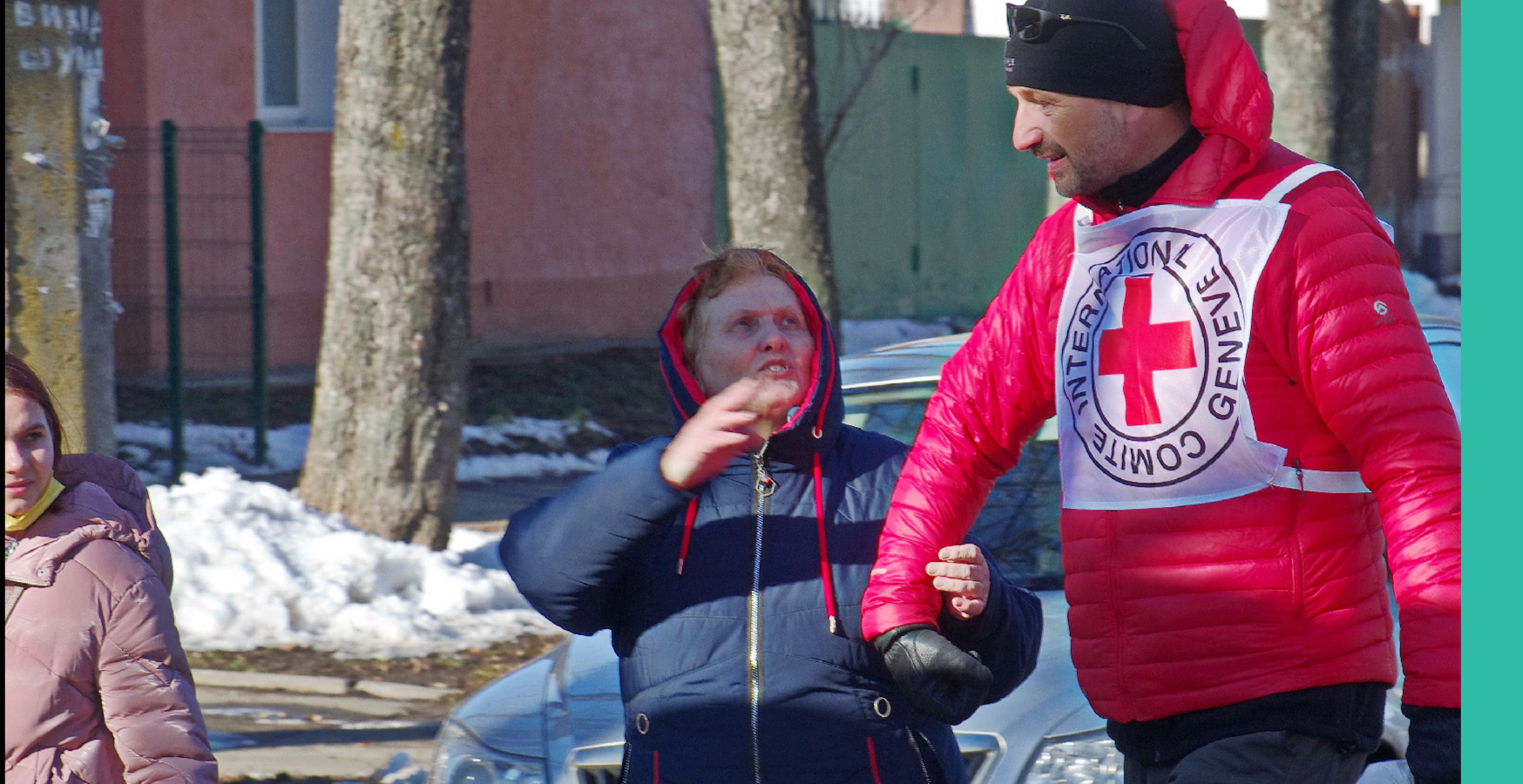
The aim of the course is to provide a general introduction to the protection of civilians, with a focus on conflict and post-conflict environments. It provides insight into both theory and practical realities and applies critical thinking on concepts, principles and professional practices most common amongst protection actors in humanitarian or peace operations.
Discuss the main protection of civilian concepts and principles, operating environments and related legal or normative frameworks;
Explain the protection roles and responsibilities or mandates and objectives of states, non-state armed actors, humanitarian actors and international peace & security operations;
Analyse protection threats and risks and identify or distinguish the protection needs of specific individuals or groups (women, boys and girls, IDP, refugees, etc.);
Understand protection mainstreaming, programming and operations;
Design and implement various field protection strategies.
Professionals in the humanitarian, development or social sector who wish to increase their understanding in protection norms, policies, doctrines and strategies;
Professionals of international and regional peace operations, national defence and security forces who wish to develop their understanding of protection of civilians and institutional and field level;
Graduate students with relevant volunteer or intern experience (2-3 years), looking to undertake a postgraduate course with a view to entering the humanitarian sector.
Interested in applying? Learn more about the admission requirements and application process here.