
- Research
Bringing together research on skeletal muscle and movement
The Centre of Research on Skeletal Muscle and Movement (CR2M) was created last spring as a result of the joint desire of the UNIGE Faculty of Medicine and the Geneva University Hospitals (HUG) to strengthen synergies around the understanding and promotion of human mobility. Biologists, physicians and movement specialists will be working together on projects combining basic and clinical research to propose new therapeutic strategies for people suffering from muscular or movement disorders. An inaugural symposium on 17 October marks the official launch of this new scientific dynamic.
Issue 54 - October 2025
© iStock
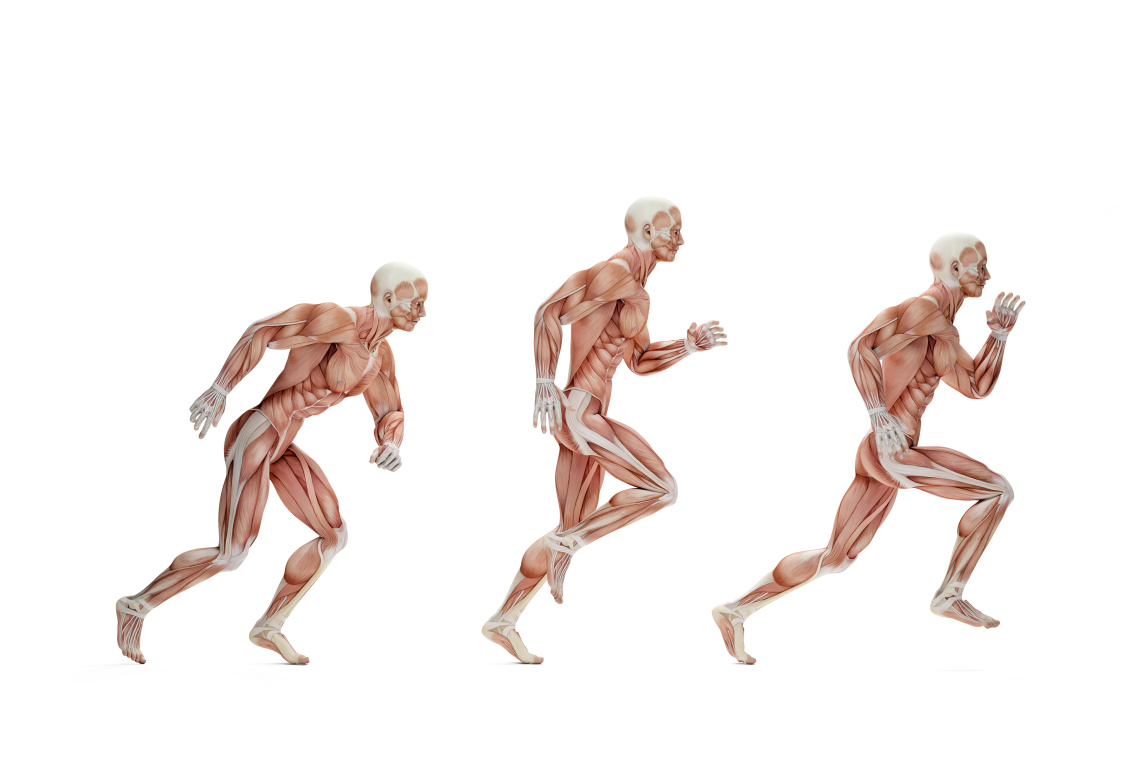
Every moment of our lives, our muscles are in motion. Physical activity and skeletal muscle function determine our quality of life, our independence and our life expectancy. "Skeletal muscles and movement are at the heart of health and independence", stresses Perrine Castets, Associate Professor in the Department of Cell Physiology and Metabolism and Head of the Muscle and Neuromuscular Junction Laboratory, who is responsible for the academic coordination of CR2M along with Stéphane Armand, Assistant Professor in the Department of Surgery at the Faculty of Medicine and HUG, and Head of the Kinesiology Laboratory. "Their role is often underestimated, at a time when neuromuscular diseases, ageing and pathologies linked to a sedentary lifestyle are having an ever-greater impact on people's health.”
From molecule to movement
What are the mechanisms underlying neuromuscular disorders? What ageing factors affect the muscular system? How can exercise delay muscle wasting and weakness? How can individual motor capacity be optimised throughout life? How can therapeutic strategies reverse or at least minimise skeletal muscle deterioration? To answer these questions, and many others, the Faculty of Medicine and the HUG are creating a unique platform. CR2M aims to promote cross-disciplinary collaboration and create a common language between biologists, kinesiologists and physicians. This dynamic will strengthen research and training in the neuromuscular field, and accelerate therapeutic innovation.
By bringing together existing strengths and placing translational research at the heart of its activities, CR2M aims to position Geneva as a centre of excellence in neuromuscular research and create a community united around common strategies to better understand, diagnose and treat muscle and mobility disorders.
A translational vision for ambitious missions
From the complex molecular networks inside muscle cells to deciphering the movements that shape our daily lives, translational research is the foundation of CR2M. "Discoveries made in the laboratory must be translated as quickly as possible into useful clinical applications for patients, while clinical observations feed into new scientific hypotheses", emphasises Stéphane Armand. "This constant dialogue between basic research and clinical practice helps to speed up innovation, promote early diagnosis, develop personalised therapies and improve rehabilitation programmes.
By placing translational research at the heart of its activities, CR2M aims to have a tangible and lasting impact on patients' quality of life and independence. "Our centre has set itself several major objectives: to develop innovative diagnostics and therapies using personalised approaches to prolong autonomy and well-being, to raise awareness of muscular diseases and their impact on quality of life, and to strengthen the training of medical and health science students who will then have to manage these diseases," explains Perrine Castets. "We will also be organising events for the scientific community to encourage interdisciplinary exchange.”
An inaugural symposium on 17 October will be the first major meeting to bring together all the movement specialists from the Faculty of Medicine and the HUG. Designed as a forum for dialogue, this event will illustrate the richness of the subject and lay the foundations for a close-knit and active community. The deliberately multidisciplinary programme will combine research lectures, clinical perspectives and discussions on translational issues.

Perrine CASTETS
Associate Professor
Department of Cell Physiology and Metabolism
Head, Muscle and Neuromuscular Junction Laboratory
CR2M Academic Coordinator

Stéphane ARMAND
Assistant Professor
Department of Surgery, Faculty of Medicine & HUG
Head, Kinesiology Laboratory
CR2M Academic coordinator
Maude GERBAIX
CR2M Scientific and Communications Officer


