
Career Panel
Dr. Monika Gjorgjieva Ducros
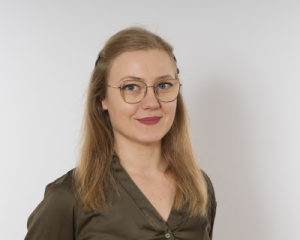
Dr Monika Gjorgjieva Ducros obtained her PhD in 2018 from the University Claude Bernard in Lyon, where she studied metabolic alterations in liver and kidney disease. She then completed postdoctoral training at the University of Geneva (2018–2021), further focusing on metabolic regulation.
From 2022 to 2024, she served as maître assistante, launching her first independent project on metabolic dysfunction and disease. This work formed the basis for her SNSF Ambizione fellowship, awarded in 2025.
Dr. Cristina Colomer Winter

After obtaining her Master’s degree in Microbiology in Barcelona, Dr. Cristina Colomer Winter began her career in industry at B. Braun. There, she worked in the Research and Development department on the establishment of new antimicrobial surgical devices and wound closure technologies. Recognizing gaps in the understanding of bacterial physiology and antimicrobial resistance, she pursued a PhD in Biomedical Sciences at the University of Florida.
Afterward, she worked as a QA Specialist at Boehringer Ingelheim in Barcelona, contributing to a new aseptic manufacturing plant and the development of a corporate Contamination Control Strategy. In 2022, she returned to academia as a postdoctoral researcher in Prof. Kimberly Kline’s lab at UNIGE, focusing on bacterial gene regulation and antimicrobial resistance.
Dr. Nicolas Kramar
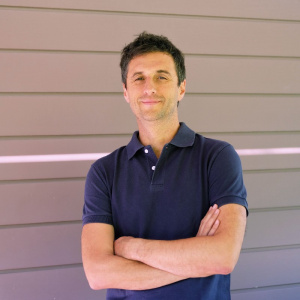
Dr. Nicolas Kramar holds a PhD in geochemistry (radiochronology and crystallography, University of Lausanne and EPFL) and a research master’s degree in history, philosophy, and didactics of sciences (Lyon I and ENS Lyon). Active in scientific mediation for over 30 years, he has served since 2013 as director of the Musée de la nature du Valais, where he has developed major projects on the Anthropocene. His exhibition Objectif Terre received the 2016 Expo Prize of the Swiss Academy of Sciences and was the world’s first natural history museum exhibition dedicated to this theme. He is a board member of ICOM-NATHIST, Chair of its Anthropocene Working Group, and a member of ICOM Define. He is about to start a new position as Chief Curator of the geological department at the Naturéum with some implementations at the University of Lausanne (teaching and research).
Dr. Thomas Häusler
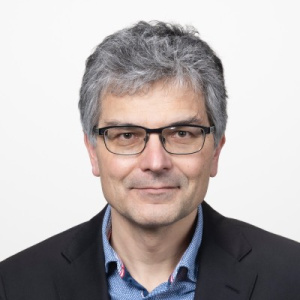
Dr. Thomas Häusler obtained after his PhD a degree in journalism from the Berlin school of journalism. After this, he worked for two years as a business consultant with McKinsey before he transitioned into journalism where he worked for about 10 years as science lead editor with the news magazine Facts and after this for nearly 15 years as science reporter with Swiss National Radio and TV SRF. For the last 4 years, Thomas has been working with WWF Switzerland, first as an expert for climate and energy and, currently, as a senior project manager of international projects. Thomas has a longstanding interest in phage therapy, he has published two books and has made a documentary film about this topic. He currently is co-lead of a project about phage therapy funded by the Agora programme of the Swiss National Foundation SNF.
Dr. Falk Saupe
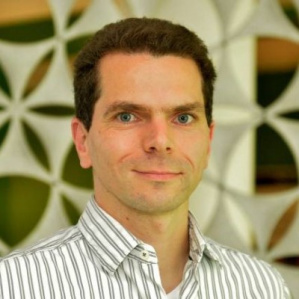
Dr. Falk Saupe is an accomplished life sciences researcher and biotechnology leader with deep expertise in in vivo pharmacology, cancer biology, and therapeutic innovation. His earlier academic career includes a PhD and postdoctoral research at the French National Institute of Health and Medical Research (INSERM) in Strasbourg, where he generated foundational insights into the tumour microenvironment, angiogenesis and extracellular matrix biology. Prior to joining T3 (former start-up), he worked as a Senior Research Scientist at Uppsala University, advancing a novel therapeutic vaccination platform targeting cancer, allergies and autoimmune diseases. Over nearly a decade at T3 Pharmaceuticals AG, he progressed from Principal Scientist to Head of In Vivo Pharmacology, where he leads preclinical programs, manages external collaborations, and executes key organisational functions within the company.