
News

La musique, pourquoi ?
A workshop
led by Dr Manuela Filippa and Dr Clara James.
12.05.2027 · 18:00 / 75 min
NODA BCVS, Sion, Grande Salle
Entrée Libre
Inscriptions possibles dès le 10.03.2027
Why does music touch us so deeply and accompany the most
significant moments of our lives? Drawing on neuroscience, psychology, and
musical practice, this workshop explores its effects on the brain, the body,
and human relationships. It reveals how listening to, singing, or playing music
stimulates our cognitive and emotional abilities, promotes synchronisation
between individuals, and strengthens social bonds.
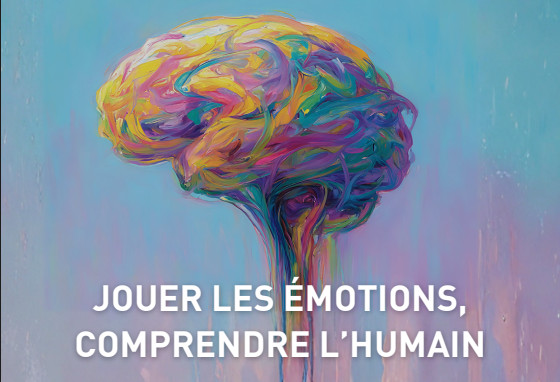
Expressing Emotions, Understanding People
Launch of the new
“Emotion” game, developed based on scientific research, which offers a fun and
interactive approach to exploring, understanding, and sharing emotions.
Wednesday,
November 11, 2026, at 1:45 p.m.,
UniDistance
Switzerland Campus in Brig.
The program
includes a keynote speech titled “Experiencing Emotions Through Play,” a panel
discussion featuring experts in emotions, education, and games, as well as
opportunities for discovery and networking in collaboration with the Emotions
and Education Network (REE) of French-speaking Switzerland.
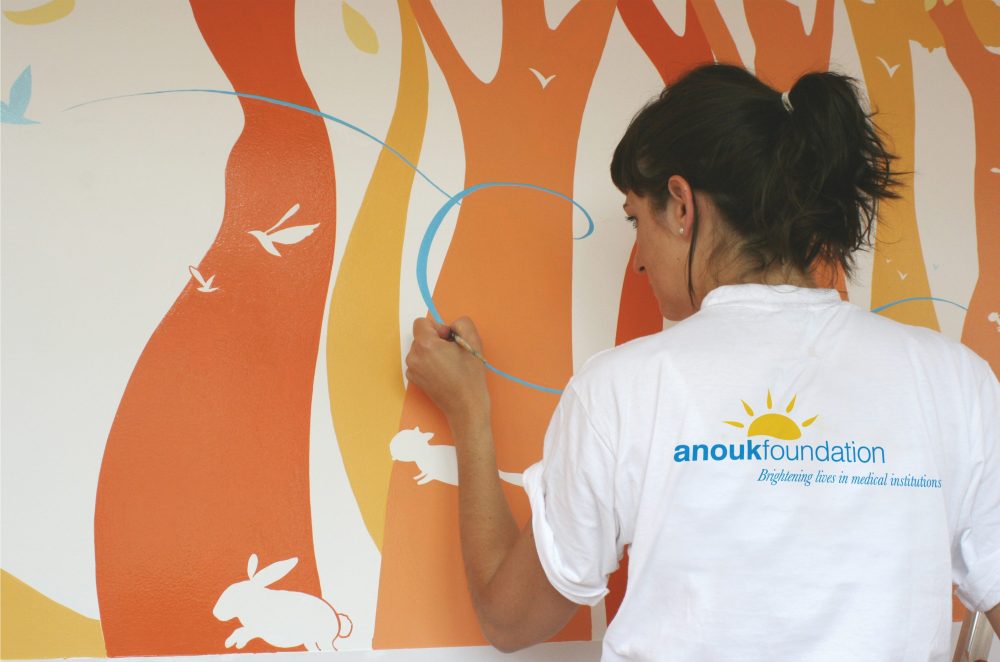
If Walls Could Heal...?
Dr Marcello Mortillaro will participate in the conference “If
Walls Could Heal…?”, which explores the potential of art to turn hospital
environments into places that foster wellbeing and healing.
The event will begin at 3:00 p.m. at Palazzo Mora, Venice
with a guided tour of artworks exploring themes of healing, featured in ECC
Italy’s exhibition Personal Structures — Confluences.
At 4:30 p.m., the event will continue at Palazzo Michiel,
Venice with a roundtable and open discussion on the relationship between murals
and wellbeing.

New publication in Nature Human Behaviour
Selfish and prosocial individuals both distort their
actions’ impact, but selfish distortions can be more contagious, a new article by Dr
Marius Vollberg and Prof. Jörg Gross is published on October 1st,
in Nature Human Behaviour!
The article is also featured in a Research Briefing, in
which Dr Marius Vollberg shares how the idea for this research first emerged at
ARF 2025 (Annual Research Forum), the CISA-UNIGE’s annual meeting
bringing together researchers working in the field of affective sciences.
How can we better understand the role of emotions in learning?
Developed through a collaboration between researchers from
universities and HES-SO institutions, education professionals, and members of
the DIP’s Teaching and Assessment Service (SEE), the website of the Émotion et
Éducation Network, supported by the SNSF, provides accessible, scientifically
grounded resources on emotions in education.
In particular, it features content on the role of emotions
in learning and on the development of emotional skills in school, accompanied
by resources and scientific references for further exploration.
These materials—while not intended to be exhaustive—are the
result of a dialogue between education professionals and researchers and are
designed for a variety of audiences: teachers, students, educational
administrators, and parents.
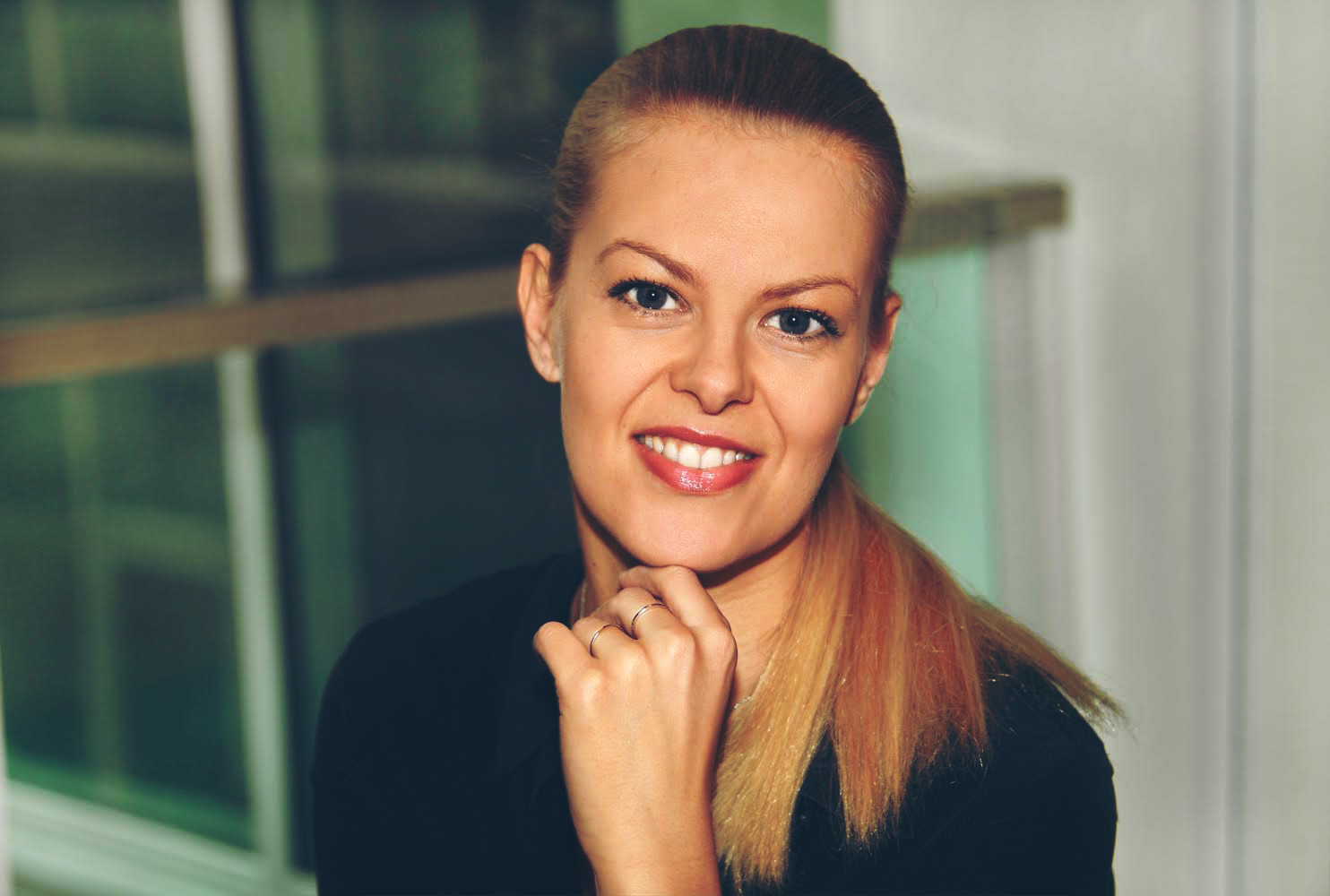
Dr Sandra Penić Appointed Assistant Professor
Sandra Penić holds a Ph.D. in social sciences from the
University of Lausanne, where she worked as a doctoral and postdoctoral
researcher. She has also served as a visiting researcher at New York University
and the University of St. Andrews. In 2020, she joined the Department of
Political Science and International Relations at the University of Geneva as a
senior teaching assistant. She was appointed assistant professor there in
August 2026 and is also a member of the Interfaculty Center for Affective Sciences
(CISA).
As a social and political psychologist, her research focuses
on the psychosocial consequences of political violence. She is particularly
interested in the role of emotions and emotional norms in conflict dynamics.
Her work also aims to develop and test intergroup psychological interventions
to improve intergroup relations and promote conflict resolution.

THUMOS Seminar Series Fall 2026
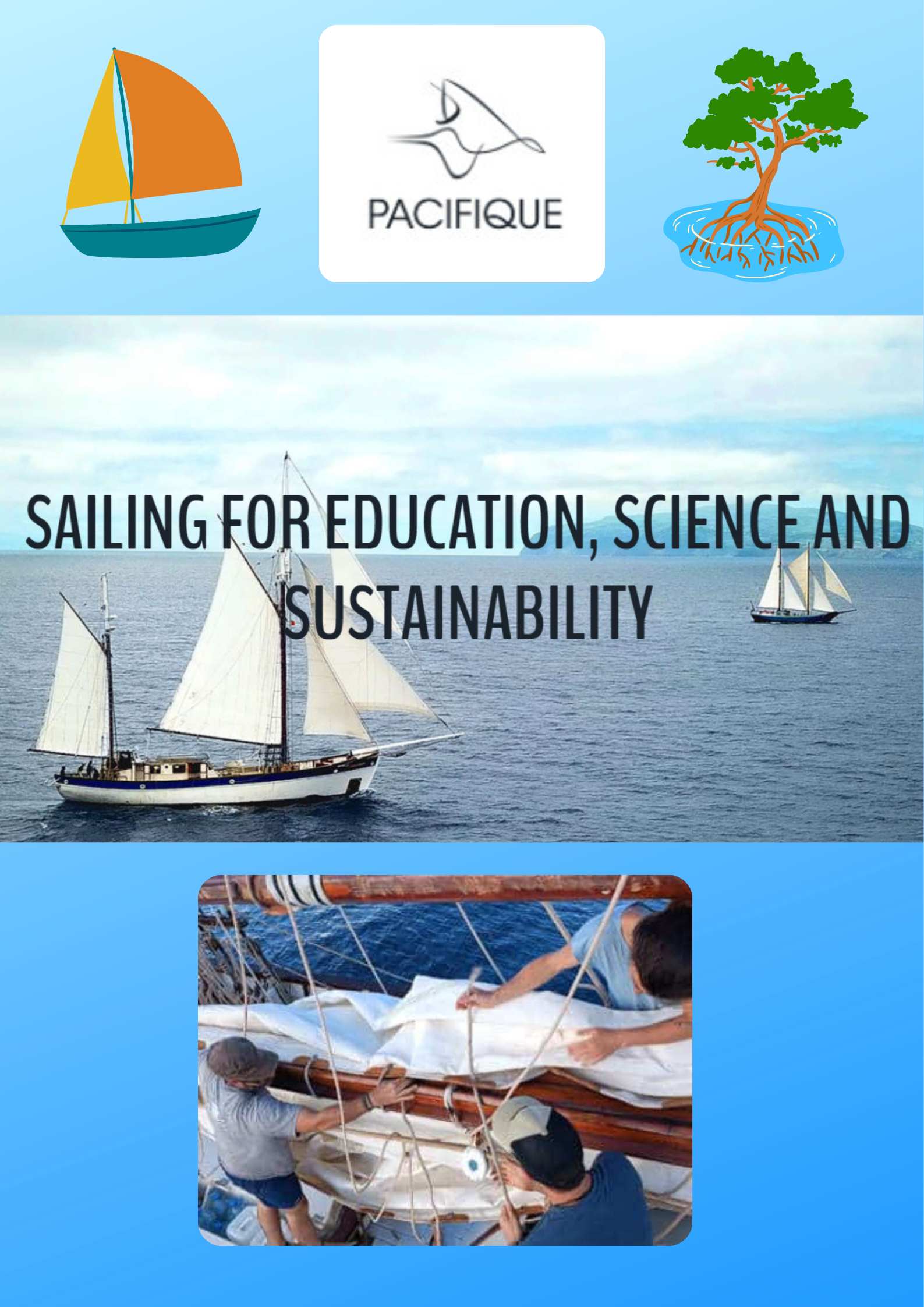
Youth at Sea Projects – the Mangroves Expedition
A
scientific collaboration
For its upcoming Mangroves Expedition (2026–2030), the Jeunes
en mer socio-educational program will be supported by a research initiative
conducted in collaboration with the Faculty of Psychology and Educational
Sciences and the Swiss Center for Affective Sciences at the University
of Geneva, as well as the Université Toulouse – Jean Jaurès.
The research is co-led by Prof. Didier Grandjean and Dr. Theophane
Piette from the Swiss Center for Affective Sciences. It will focus in
particular on the regulation of learning processes, emotional and interpersonal
dynamics, processes of meaning-making (referentialization), and dynamics of
empowerment.
Caring for Yourself and Others in the Hospital: A Multisensory Approach
Being in the hospital can be a difficult experience… How can
we make this period more comforting and positive?
This project aims to promote both individual and collective
well-being among hospitalized patients. It does so in particular through the
design of a fan provided to each patient in rehabilitation, offering activities
that encourage mobility and enhance quality of life, as well as through a sound
walk within the department, inviting patients to rediscover the hospital
environment from a new perspective.
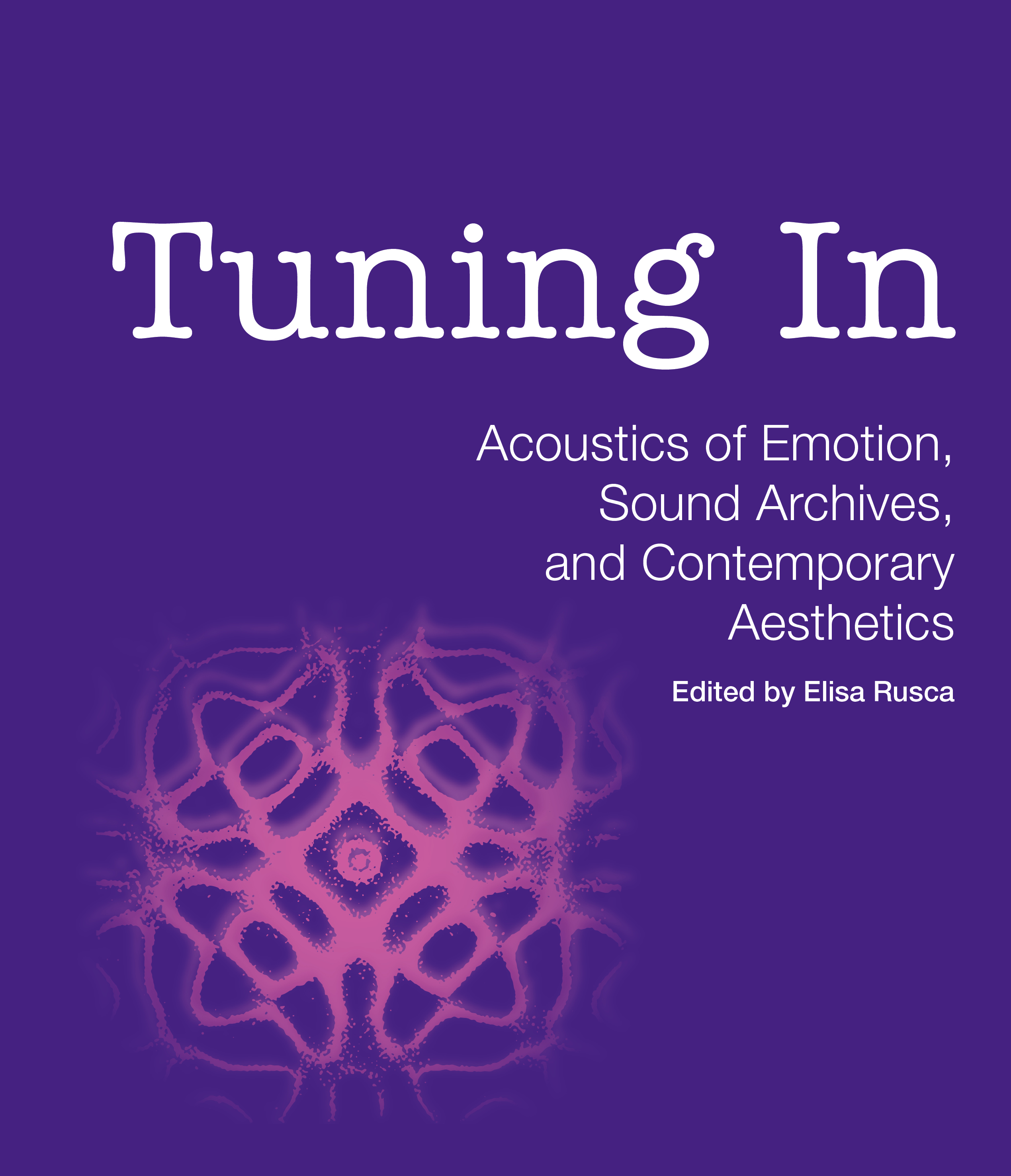
Tuning In : Acoustics of Tuning in : Emotion, Sound Archives, and Contemporary Aesthetics
Born from the exhibition Tuning In—Acoustique de
l’émotion held between October 3, 2024, to August 24, 2025, at the
International Red Cross and Red Crescent Museum, this volume explores the voice
as a fragile yet powerful space where memory, emotion, and humanitarian praxis
converge.
Extending the exhibition beyond its physical space, this
volume offers a meditation on the affective depth of sound through
contributions that intertwine scholarship, curatorial reflection, and artistic
practice. The book opens a contemplative journey into politics and poetics of
sound and voice—and to consider listening as both an ethical stance and a form
of care.
The book
includes texts by Prof Didier Grandjean and Dr Manuela Filippa.