
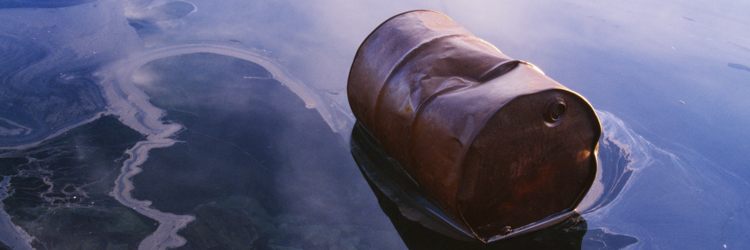
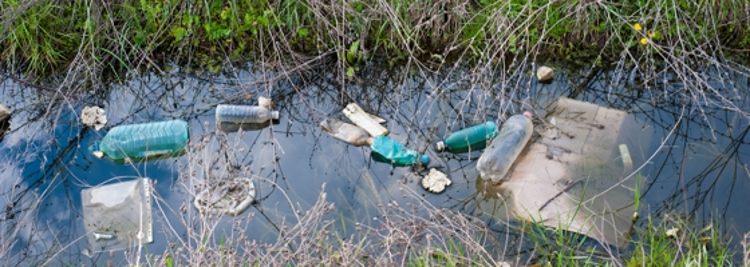
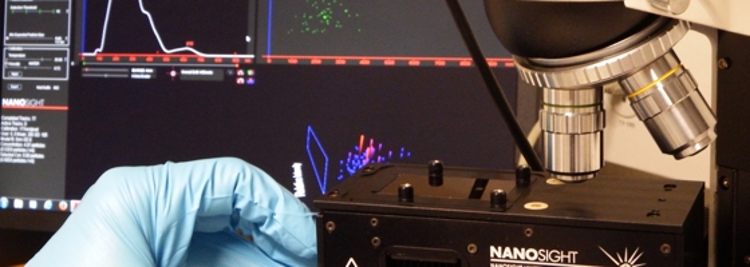
In natural aquatic and terrestrial systems, the accumulation, circulation and transformations of emerging pollutants, such as manufactured nanoparticles, plastic microparticles, perchlorates introduced by human activities, must be understood and studied in order to assess their long-term impacts, their influences on the quality of water, soil, our environment and their effects on living organisms. The research work of the environmental physical-chemistry group in the F.-A. Forel environmental and water sciences concern the characterization and understanding of the physical-chemical processes that govern the circulation, transformations, environmental impacts of pollutants. An important aspect concerns water treatment and the behaviour of plastics in soil. This work is carried out through international projects and collaborations, at the academic and industrial levels, particularly in the context of the production of drinking water and the treatment of urban effluents with our Geneva Industrial Services and the Water Department of the City of Lausanne partners. We also actively collaborate with public institutions such as the Department of Territories (GESDEC), the Association for Water, Gas and Heat (SVGW) and associations such as the Association for the Protection of Lake Geneva (ASL) and Odysseus 3.1.
Our projects focus more particularly on:
- Detection, Characterization, and Behaviour of Microplastics in Drinking Water Treatment Systems. This project focuses on studying the presence, characteristics, and behaviour of microplastics in various drinking water production technologies. It aims to evaluate how different treatment processes affect the removal or transformation of microplastics. The research is supported by the Service de l’Eau de la Ville de Lausanne and is being conducted as part of a postdoctoral project led by Dr. Angel Negrete Velasco.
- Manufactured nanoparticles (TiO2, CeO2, ZnO) and nanoplastics in the environment and in water treatment sectors through a project supported by the Swiss Society of Water and Gas Industrialists and the Industrial Services of Geneva. This project is also developed in collaboration with the University of Bordeaux in France Prof. P. Le Coustumer and Dr. Lina Ramirez.
- Behavior of nanoplastics and nanoparticles in porous media. This project is a project that relies on numerical models and laboratory experiments to assess the impact of porous media on the transport and transformation of manufactured nanoparticles (Thesis of Mrs. Gabriela Hul).
- Microplastics in the environment in terms of detection, characterization and impact on water treatment sectors (production of drinking water and treatment of wastewater). This project is supported by the Geneva Industrial Services (SIG) and is the subject of a thesis (Monica Alejandra Suarez Cobos) in collaboration with the University of Bordeaux ( Prof. P. Le Coustumer)
- Development of an innovative, ecological and participative domestic wastewater treatment system in collaboration with EAWAG, the cantonal water office, the Equilibre and Luciole cooperatives, the ATBA architectural firm, the Hach-Lange company and the inhabitants of the Soubeyran building. This project is the subject of a thesis (Kayla Coppens) supervised by Professors Serge Stoll, John Poté, and Laurent Matthey
- In collaboration with the Association for the Safeguarding of Lake Geneva, we are working on the assessment of the state of stocks and the characterization of microplastics on the beaches of Lake Geneva through the Pla'Stock project.
- The presence of microplastics in agricultural waste and its biodegradability. This study and thesis work (Fanny Berset) is supported and is carried out in collaboration with the Department of Territory of the State of Geneva, the Geology and Waste Service (GESDEC) and the Ruralis association
The members of the research group also provide teaching in the form of courses and practical work in the field of environmental chemistry, aquatic and atmospheric chemistry as well as water analysis methods. This teaching is provided within the Faculty of Sciences and the University Master in Environmental Sciences (MUSE).
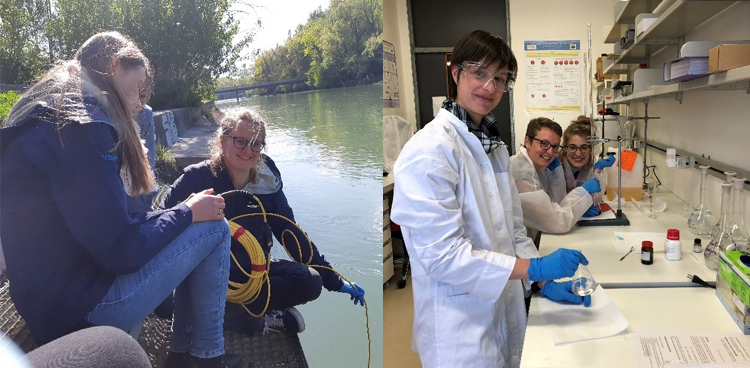
On field and laboratory water analyses
The group regularly welcomes master's students from the MUSE and students from other sections, students from universities, engineering schools, for internships and master's work, laboratory research and actively participates in the life of the City. through reports, interviews and public discussions, and events such as the Night of Science.

Night of the Science (sensitization to plastic pollution)