
How to save the Alps' famous huts and trails as melting permafrost threatens them ?
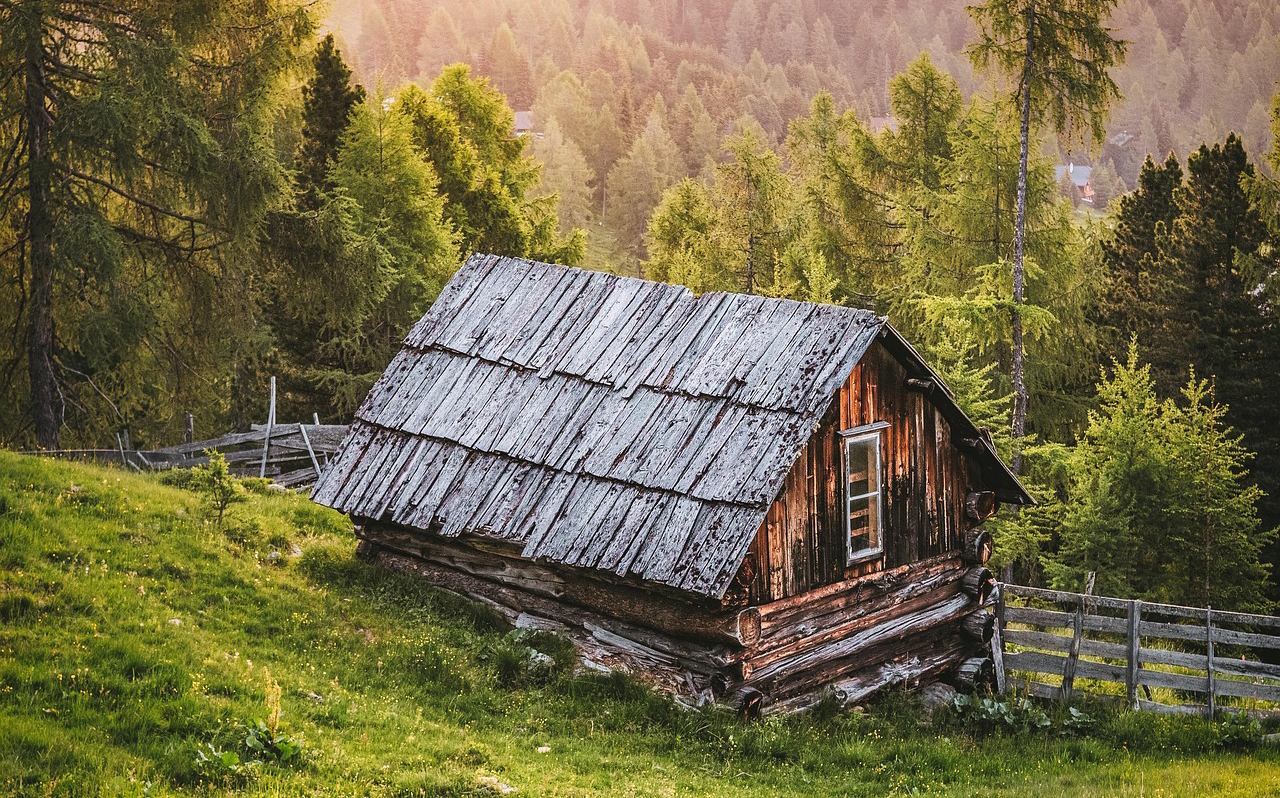
Some 3'000 hiking huts, around 1'300 of which are staffed by Europe’s alpine clubs to provide food and safety above the treeline, are still standing in the Alps—for now.
As the region warms twice as fast as the rest of the globe, the ground under these huts and the trails that support them is becoming more unstable. These temperature shifts and extreme weather patterns are turning permafrost—the “glue” that holds entire rock formations together above 7'500 feet—from ice to mud, dismantling sections of mountains. In spring, summer and early winter when water percolates after cycles of freezing and thawing at even higher elevations in fractured bedrock, the Alps are seeing steeper, faster rockfalls and avalanches along with glacier retreat. This has required local municipalities to reroute and even close some of the area’s historic trails. And in the face of aging infrastructure, the foundations of huts are crumbling.
On this issue the Smithsonian Magazine has interviewed Markus Stoffel, an expert on climate impacts and risks at the University of Geneva. Markus Stoffel has documented increasing rockfall activity for 25 years in the Zermatt Valley of Valais. That work helps municipalities, which are constructing rockfall dams to protect the houses and roads on the valley floor. “Whenever a rockfall event occurs and you have people injured or even killed, there will be an investigation, and if the court comes to the conclusion that the municipality didn’t do whatever is in their hands to prevent it, they can be liable,” Stoffel says. So, naturally, they are trying to ensure a safe experience.
To learn more, you can read the article published on January 13 in the Smithsonian Magazine.