
Emerging viral infections
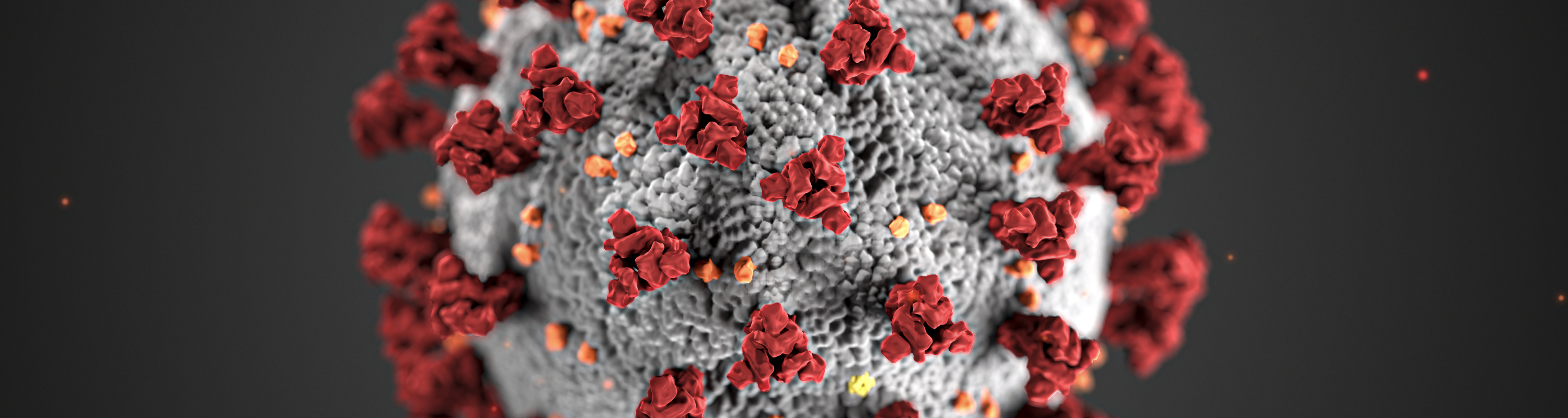
The research group focuses on emerging and re-emerging viral infections, integrating clinical virology, immunology, diagnostics, and public health. During the COVID-19 pandemic, this work was central to advancing understanding of SARS-CoV-2 viral load kinetics, infectiousness, and immune responses across age groups and viral variants. The group elucidated variant-specific viral fitness, transmission dynamics, and neutralization capacity following infection or vaccination, and compiled global evidence on viral load and shedding kinetics, contributing to improved interpretation of infectious periods.
A major pillar of the group’s research is diagnostic evaluation during outbreaks. The team has led analytical and clinical assessments of SARS-CoV-2 rapid antigen tests across variants and diverse settings, and has expanded this work to other pathogens, including Ebola, mpox, and hepatitis E, through systematic reviews and outbreak-based evaluations. Additional contributions include the development and validation of high-throughput serological platforms for large-scale surveillance.
Overall, the lab’s research addresses zoonotic and high-consequence viruses within a One Health framework, linking laboratory science, outbreak response, and preparedness policy.
EXPERTISE
The group’s core expertise lies in translational research on emerging viruses with direct real-world impact, including the acceleration of diagnostic solutions, the provision of evidence for public health decisions, and contributions to epidemic and pandemic preparedness through the study of viral phenotypes. The team brings to the GCIR extensive experience in bridging laboratory observations from in vitro models with clinical studies and epidemiological data.
Their expertise encompasses rapid development and validation of diagnostic assays across a broad range of viruses, as well as viral sequencing. The group is equipped to isolate viruses under BSL-2 and BSL-3 conditions, characterize viral phenotypes, and establish complex biological assays, including neutralization assays.
SELECTED PUBLICATIONS
- Puhach O, Bellon M, Adea K, Bekliz M, Hosszu-Fellous K, Sattonnet P, Hulo N, Kaiser L, Eckerle I, Meyer B. SARS-CoV-2 convalescence and hybrid immunity elicits mucosal immune responses. EBioMedicine. 2023 Dec;98:104893. doi:10.1016/j.ebiom.2023.104893.
- Puhach O, Adea K, Hulo N, Sattonnet P, Genecand C, Iten A, Jacquérioz F, Kaiser L, Vetter P, Eckerle I, Meyer B. Infectious viral load in unvaccinated and vaccinated individuals infected with ancestral, Delta or Omicron SARS-CoV-2. Nat Med. 2022 Jul;28(7):1491–1500. doi:10.1038/s41591-022-01816-0
- Essaidi-Laziosi M, Alvarez C, Puhach O, Sattonnet-Roche P, Torriani G, Tapparel C, Kaiser L, Eckerle I. Sequential infections with rhinovirus and influenza modulate the replicative capacity of SARS-CoV-2 in the upper respiratory tract. Emerg Microbes Infect. 2022 Jan;11(1):412–423. doi:10.1080/22221751.2021.2021806
- Swank Z, Michielin G, Yip HM, Cohen P, Andrey DO, Vuilleumier N, Kaiser L, Eckerle I, Meyer B, Maerkl SJ. A high-throughput microfluidic nanoimmunoassay for detecting anti-SARS-CoV-2 antibodies in serum or ultralow-volume blood samples. Proc Natl Acad Sci U S A. 2021 May 4;118(18):e2025289118. doi:10.1073/pnas.2025289118