
GCIR Seminar on autoinflammatory syndromes 6 March 2026
The GCIR Scientific Seminars are designed for researchers and biomedical students and focus on both clinical and fundamental research related to infection, immunology, and inflammation.
We are pleased to invite you to our upcoming seminar titled Innate Immune Dysregulation in Autoinflammatory Diseases: From Biomarkers to Pathogenic Pathways on 6 March, Reverdin Auditorium, from 12h30 to 14h30.
During this seminar, GCIR Professor Cem Gabay will present recent work entitled “Heme oxygenase-1 is a biomarker of Still's disease and macrophage activation syndrome (MAS) and is regulated via the IL-18/Interferon-γ axis.” Dr Andy Dernstedt, a postdoctoral researcher working with Dr Géraldine Blanchard-Rohner and Arnaud Diderlaurent, will share translational data on PFAPA. Professor Dirk Föll (University of Münster, Germany) will present “S100 proteins – neutrophil activation markers in Still’s disease.” We are also pleased to welcome Professor Marianne Boes (Utrecht University), who will present her group’s work entitled “How IL-18 drives an IFN-γ-driven immune response in Mevalonate Kinase Deficiency.”
This seminar will be hosted by Dr Géraldine Blanchard-Rohner, Coordinator of the Swiss Reference Centre for Rare Immunological and Inflammatory Diseases and Head of the Paediatric Unit of Immunology, Vaccinology, and Rheumatology at the Geneva University Hospitals (HUG), and Dr Charlotte Girard, Cheffe de clinique scientifique at the HUG Rheumatology Unit, member of the Swiss RITA board, and the lead of adult rheumatology in HUG for transition clinics and management of autoinflammatory diseases.
We would be delighted to welcome your participation and to foster discussion on ongoing and emerging projects in the field of autoinflammation.
SPEAKERS
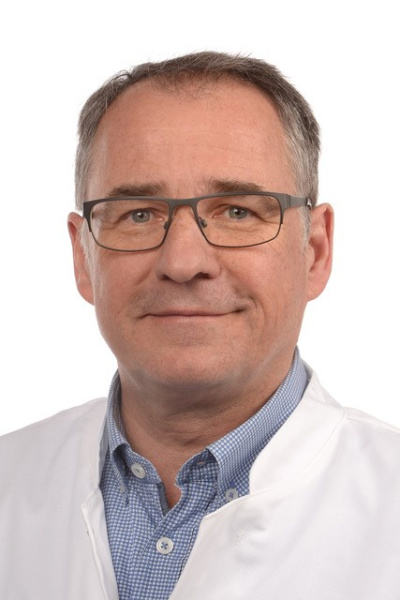
Lecture:
S100 proteins - Neutrophil activation markers in Still’s disease
Biography:
Dirk Föll is a full professor and head of paediatric rheumatology and immunology at the University of Münster, Germany. His institution is a member of the European Reference Network for Rare Diseases (ERN-RITA) and a EULAR center of excellence. Professor Foell’s research focus is on clinical–translational science with an overall objective to translate the knowledge from basic science on innate immunity into tools to improve the stratification of patients, with regard to their disease characteristics and prognostic factors. He coordinates major national and international research consortia and has an active role not only in the German Society of Paediatric Rheumatology but also in international networks such as PRINTO, PReS, and EULAR.
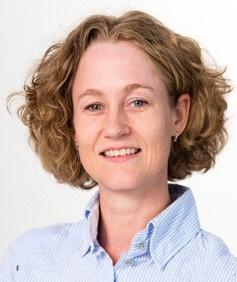
Biography:
Marianne Boes is an associate professor specializing in Pediatric Immunology at UMC-Utrecht. Since 2008 with her team she works, and now heads the Pediatric Immunology laboratory, which operates within the Center for Translational Immunology at UMC-Utrecht.
She performed doctoral research at Massachusetts Institute of Technology, and postdoctoral research at Harvard Medical School before starting her own independent research laboratory at Brigham and Women’s Hospital. Her contributions to the field have been recognized through the awarding of significant research grants such as the NWO Veni grant and NIH-RO1 grant, and more recently a Horizon-HLTH consortium grant from the European Commission (€ 7.1 million), Causative Link between respirAtory syncytial viRus and chronic lung diseases: Identifying Targets for therapY: CLARITY.
Boes team focuses on the under-explored research field of immune response modification for the prevention of immune-driven disorders. With existing knowledge of key biomarkers or drivers associated with conditions like asthma, rheumatoid arthritis, and early atherosclerosis, there is significant potential to develop interventions that can prevent the clinical manifestation of these diseases, which is the goal of their research.
Lecture:
How IL-18 drives an IFN-gamma-driven immune response in Mevalonate Kinase Deficiency
Mevalonate kinase deficiency (MKD) is a rare monogenic autoinflammatory disorder characterised by recurrent fever episodes driven by dysregulated IL-1β secretion. Mutations in the MVK-gene cause enzymatic defects resulting in a shortage of geranylgeranyl pyrophosphate, leading to lowering of the threshold for pyrin inflammasome activation. We established a cellular model of MKD to discover novel inflammatory pathways contributing to disease pathogenesis, with a focus on IL-18 and interferon-gamma (IFNγ) signalling. To this end, we used CRISPR/Cas9 base editing and generated a THP1 monocyte cell line harbouring homozygous MVK I268T mutations, a pathogenic variant observed in patients with MKD. Functional assays were conducted to assess inflammasome activation and cytokine responses following stimulation with the pyrin agonist etiocholanolone. Experiments using MKD patient-derived PBMCs were performed to validate in vitro findings. We found that MVKI268T/I268T THP1 cells exhibit impaired isoprenoid biosynthesis, consistent with the metabolic defect observed in MKD. Activation of the pyrin inflammasome in MVKI268T/I268T THP1 cells induced robust secretion of IL-1β and IL-18, which was attenuated by supplementation with geranylgeranyl pyrophosphate. MKD PBMCs hypersecreted IL-18 in response to pyrin inflammasome activation, reflected by elevated IL-18 levels in the plasma of MKD patients. Specifically, MKD T and NK cells were characterised by enhanced IL-18-driven IFNγ production. Elevated IFNγ and IL-18BP levels in MKD plasma and transcriptomic data of MKD PBMCs, further confirmed the presence of an IFNγ signature in MKD.
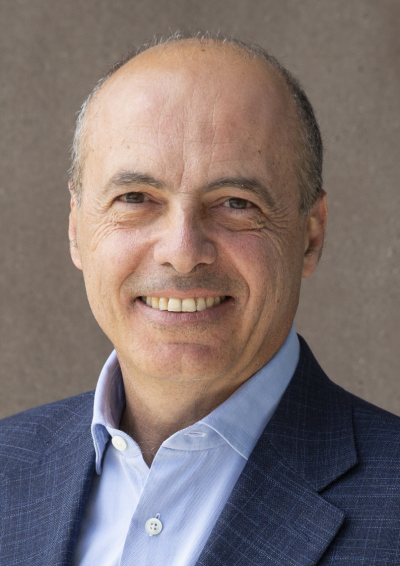
Prof. Cem Gabay
Full Professor, Department of Medicine, Department of Pathology and Immunology, Faculty of Medicine, Geneva Centre for Inflammation Research, Faculty of Medicine, University of Geneva, and Division of Rheumatology, Geneva University Hospitals (HUG).
Heme oxygenase-1 is a biomarker of Still's disease and macrophage activation syndrome (MAS) and is regulated via the IL-18/Interferon-gamma axis
Biography:
Cem Gabay studied at the Faculty of Medicine of the University of Geneva, where he obtained his medical degree in 1985, followed by a doctorate in medicine. He trained in Internal Medicine and Rheumatology and obtained his certification in both specialties in 1993. He undertook his clinical training in Switzerland and Paris. He did a postdoctoral fellowship in Paris (1991-1992) and a basic research fellowship in Denver, USA (1995-1999). The last year in Denver he was appointed assistant professor. With an SNSF fellowship (SCORE A), he returned to Geneva and opened his laboratory, which is still active today. He was appointed Head of the Division of Rheumatology and Associate Professor in 2001, Full Professor in 2008, Chairman of the Department of Medicine in 2013 and was Dean of the Faculty of Medicine from 2019 to 2023.
He has clinical expertise in the diagnosis and treatment of inflammatory rheumatic diseases, including rheumatoid arthritis and systemic autoimmune diseases. His basic research expertise lies in the field of cytokine biology, in particular cytokines of the IL-1 family.
Lecture:
Heme oxygenase-1 is biomarker of Still's disease and macrophage activation syndrome (MAS) and is regulated via the IL-18/Interferon-gamma axis
Heme oxygenase (HO)-1 is an intracellular enzyme (encoded by HMOX1) involved in heme catabolism. As compared to other inflammatory diseases, serum levels of heme oxygenase (HO)-1 are selectively elevated in Still's disease and in patients with macrophage activation syndrome (MAS), and correlated with the levels of IL-18 and IFN-g. Similarly, circulating levels of HO-1 increased rapidly during CpG-induced MAS in mice, and correlated with IFN-g and ferritin levels. This mouse model of MAS allowed us to examine the origin and regulation of HO-1.
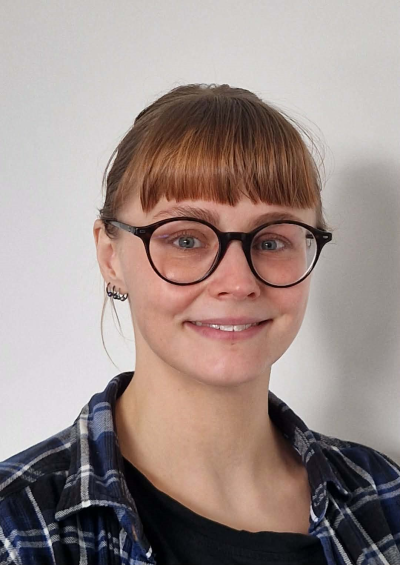
Biography:
Andy Dernstedt received a Bachelor’s degree in Biomedicine (2016) and a Master’s degree in Biomedicine (2017) from Umeå University, Sweden. She earned her PhD in Immunology at Umeå University in 2022, focusing on human B cell homeostasis. Since 2023, she has been a postdoctoral researcher in the laboratory of Arnaud Didierlaurent at the University of Geneva.