
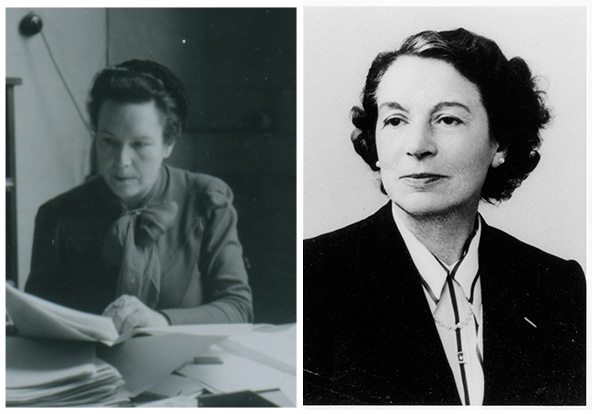
Women’s Humanitarian Legacy and the Feminist Ethics of Care
The feminist ethics of care, introduced by Carol Gilligan and expanded by Joan Tronto, serves as a framework in this article for understanding how Frick-Cramer and van Berchem approached their work. Care is viewed not only as an emotional response but as a multi-phase process involving awareness of needs, responsibility to meet them, practical action, and consideration of the outcomes. This perspective critiques traditional humanitarian narratives that prioritise justice or heroism over relational and emotional labor.
When the ICRC established the International Prisoners of War Agency in 1914, Frick-Cramer and van Berchem took leading roles in addressing the emotional and material needs of prisoners of war. Gorin and Martín-Moruno highlight how these women also operated beyond the visible, front-line roles often attributed to humanitarian agents. They pioneered systems for restoring family connections, managed sophisticated information networks, and advocated for legal protections for unrecognised groups like colonial troops and civilians. Their approach combined academic expertise, legal insight, and emotional engagement—an embodiment of care as both an ethos and a practice.
Despite their achievements, institutional histories often sidelined them. They also overlooked the contributions of women in less privileged roles, such as the typists working at the Agency, whose efforts were essential and indispensable in processing the millions of letters exchanged between families and prisoners. This neglect echoes broader gender stereotypes within humanitarian narratives, where women are cast as compassionate caregivers rather than strategists or advocates. Their contributions remind us that humanitarian care extends beyond physical aid to encompass emotional and systemic support.
Resonating Challenges Today
The struggles of these women resonate with current dilemmas in humanitarian contexts, particularly the challenges faced by women aid workers and the populations they serve:
- Gender Bias in Leadership: Women still face systemic barriers in leadership roles within humanitarian organisations, mirroring Frick-Cramer and van Berchem’s battles for recognition.
- Intersectional Inequities: The care they extended to marginalised groups, such as colonial troops, parallels the ongoing fight for equitable treatment of vulnerable populations and the need for the aid system to address systemic inequalities based on disability, gender, race-ethnicity, and age.
- Moral Indignation in Action: Their moral courage to speak against institutional inaction—such as the ICRC’s decision not to publicly condemn the Nazi regime’s extermination of civilians during WWII—remains a poignant reminder of the ethical dilemmas humanitarian actors face today.
- Caring Beyond Borders: Their focus on “caring at a distance” through innovative information systems foreshadowed today’s digital tools for reconnecting families and providing aid remotely, which are crucial in modern crises.