
Photo Contest – Votes
Select your favourite artwork and vote for the Public Prize! Below, you can also find out more about the works and those who created them.







The artworks and the artists

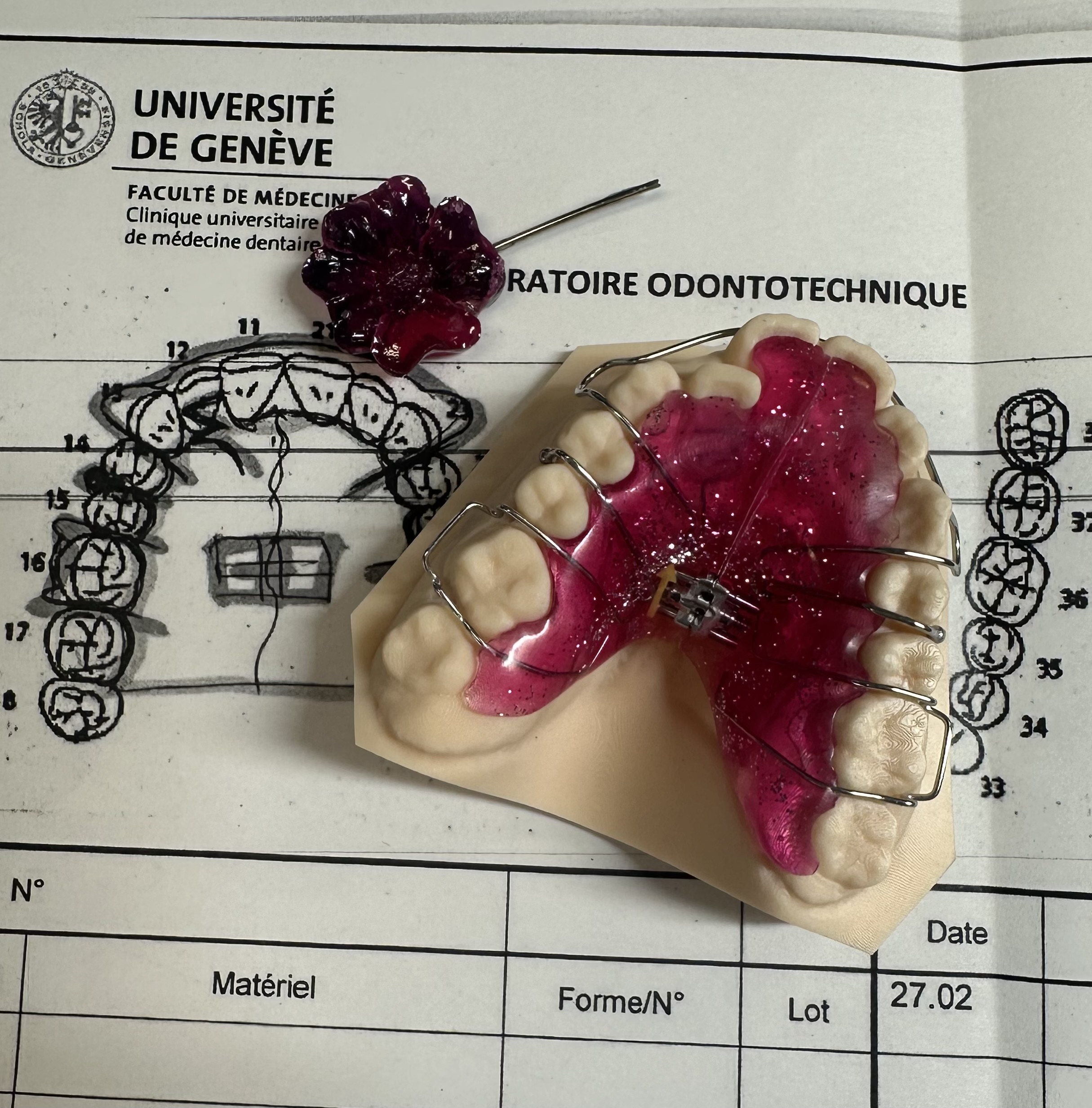
1 - At the heart of a smile
Claudine Loretan. Photography
When technology meets emotion ✨
This removable orthodontic appliance was designed to widen the upper jaw using a central expansion screw, fully integrated into a customised resin plate. The unique feature of this design lies in the detail: the screw activation key, usually purely functional, has been redesigned and personalised with a small heart. A deliberately gentle symbol, intended to reassure the child, humanise the appliance and transform a medical procedure into a more positive experience. Each element has been designed to combine:
- technical precision,
- orthodontic functionality,
- and an aesthetic and caring approach.
Because in orthodontics, too, the little details can make all the difference.

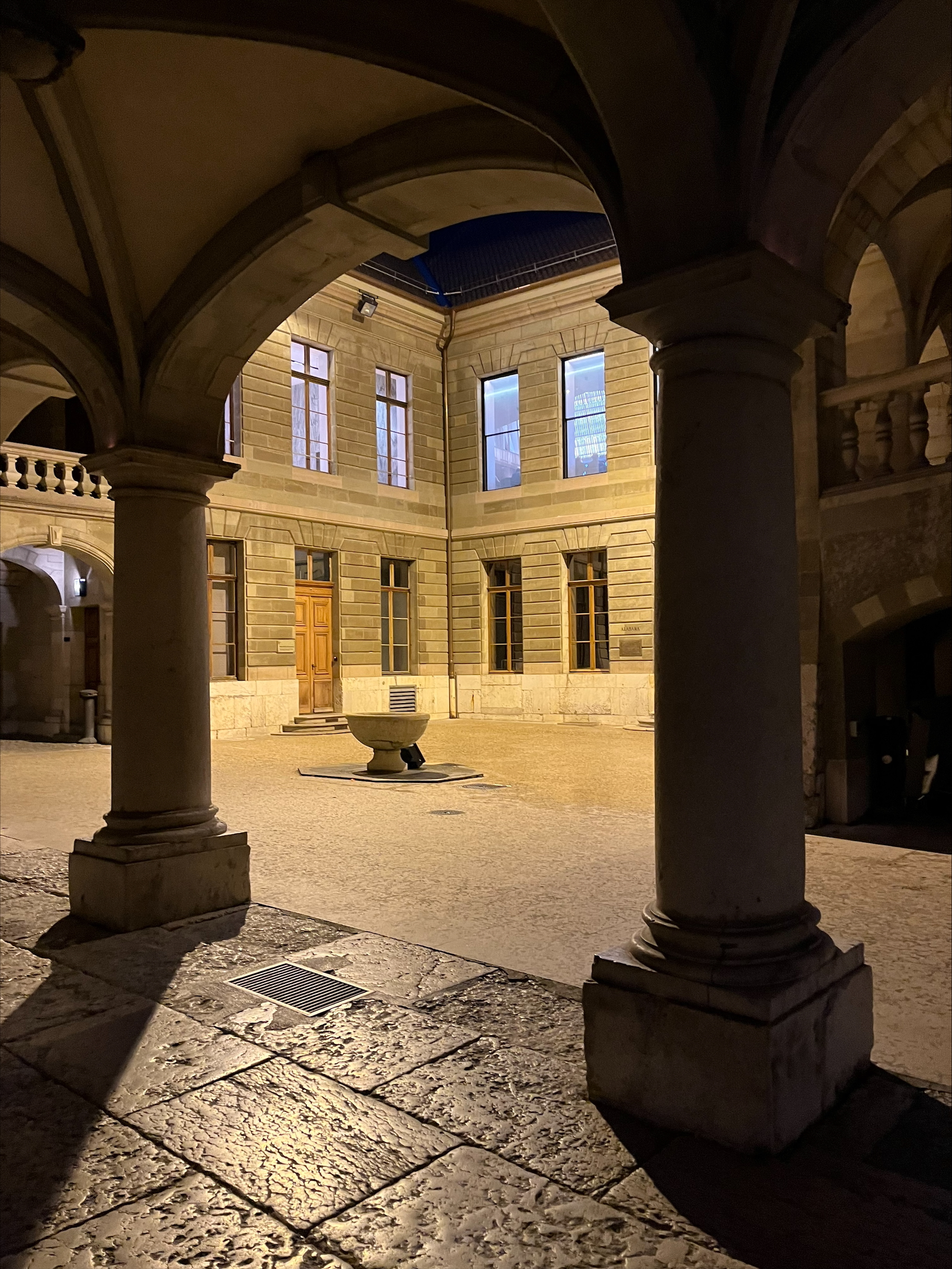
2 - Introspection
Stefano Ardu. Photography
An atmosphere, a play of light, an introspective panorama
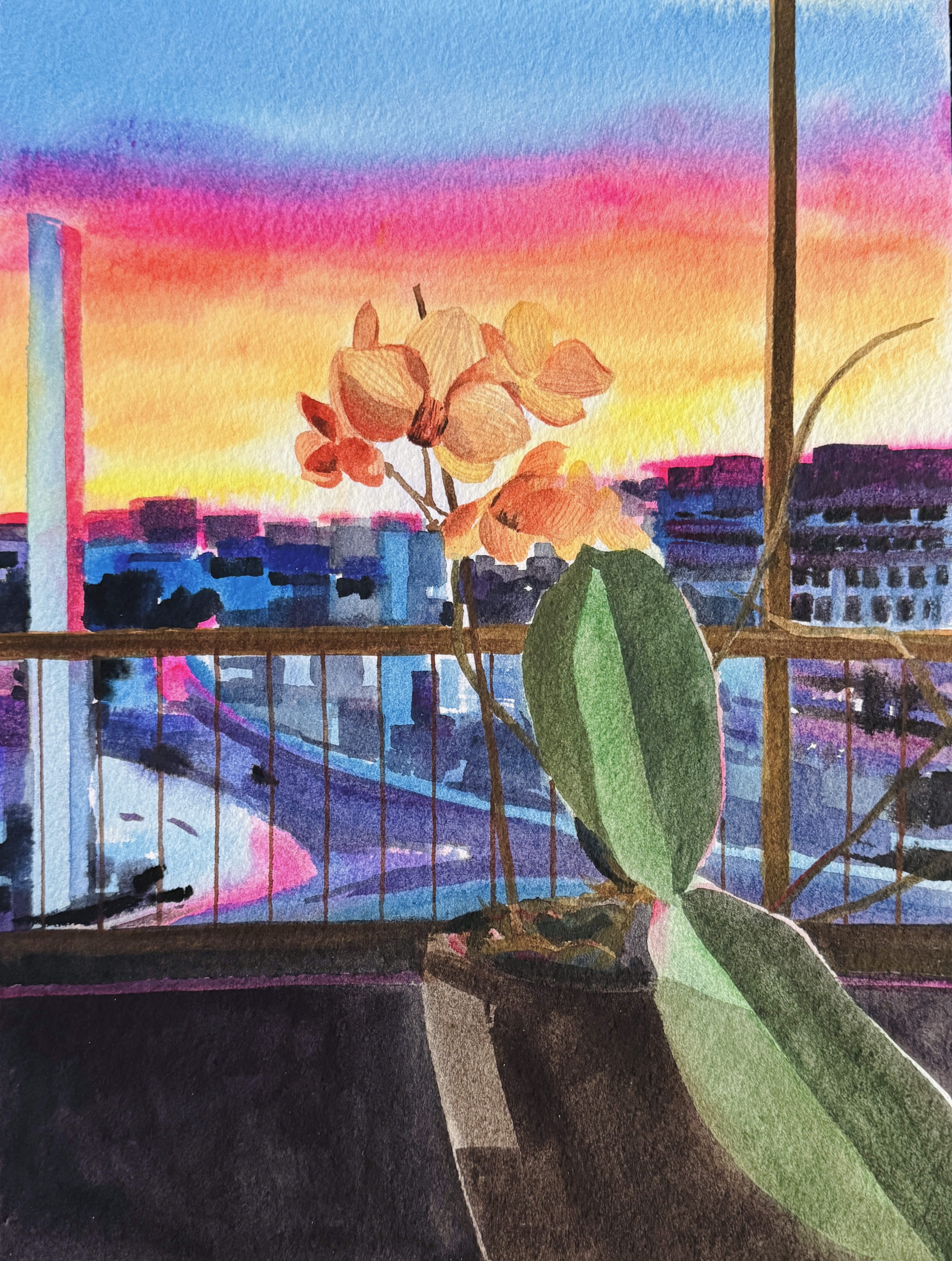
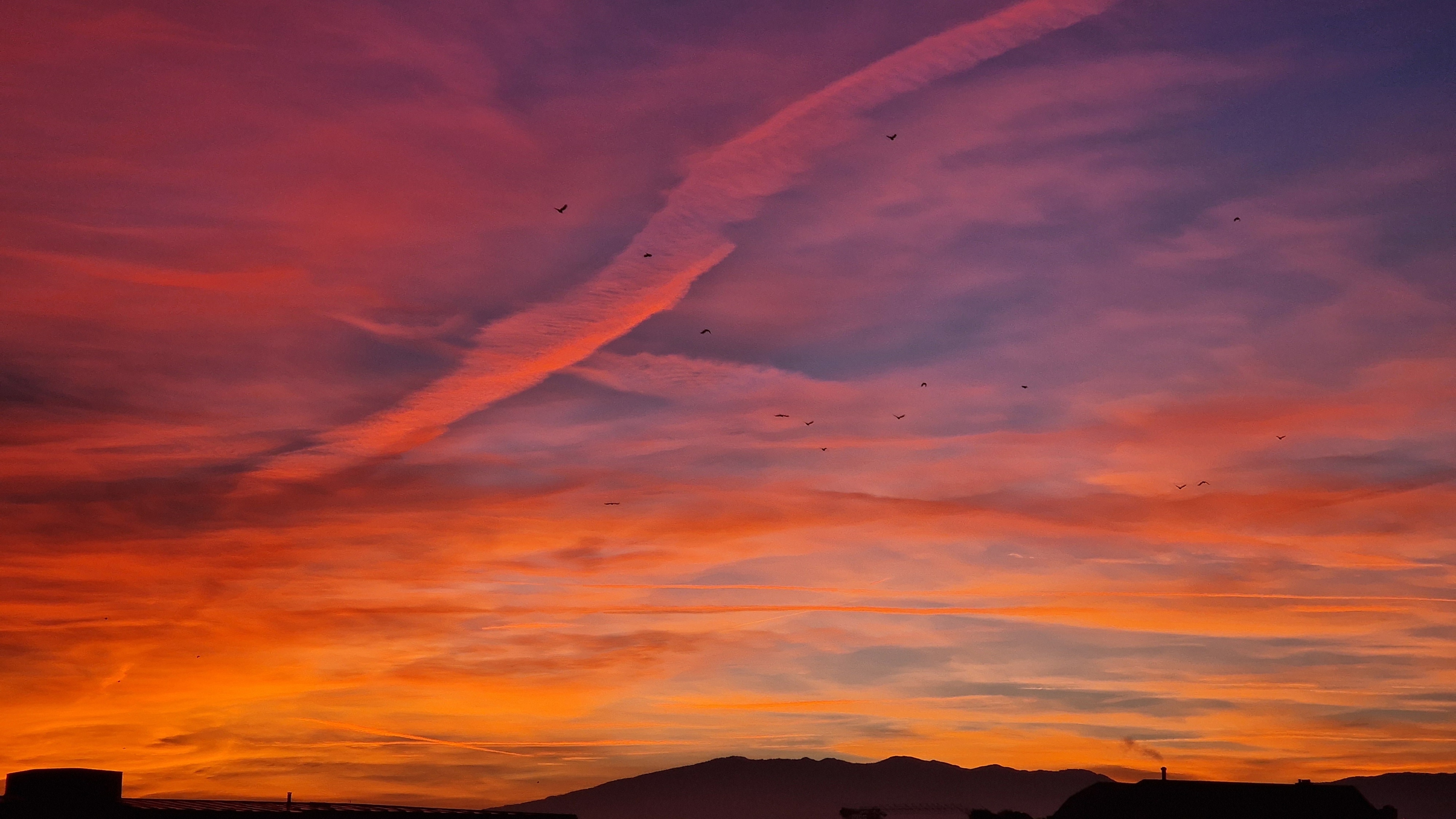
 3 - The crimson hour at CMU
Haiping Wang. Watercolour painting
This painting captures the beautiful clash outside my office: a wild, fiery sunset over HUG. Inside, the warm light from the window touches everything, especially the flowers I love, making the space feel calm and serene.
 4 - Rationalism
Jean Fasel. Medical imaging (CT, MRI, dental surface scanning) - Algorithms for segmenting images and virtual 3D reconstruction - High-precision 3D wax printing - Lost wax casting technique used in jewellery making.
Solid gold anatomical reproduction of the base of the skull and left hemisphere of a patient. According to an old simplification, the left hemisphere is the analytical part of the brain, while the right hemisphere is responsible for creativity. The reproduction is entitled "Rationalism", symbolising that radical rationalists are missing something, as they are incapable of transcendental feelings, or love, for example.

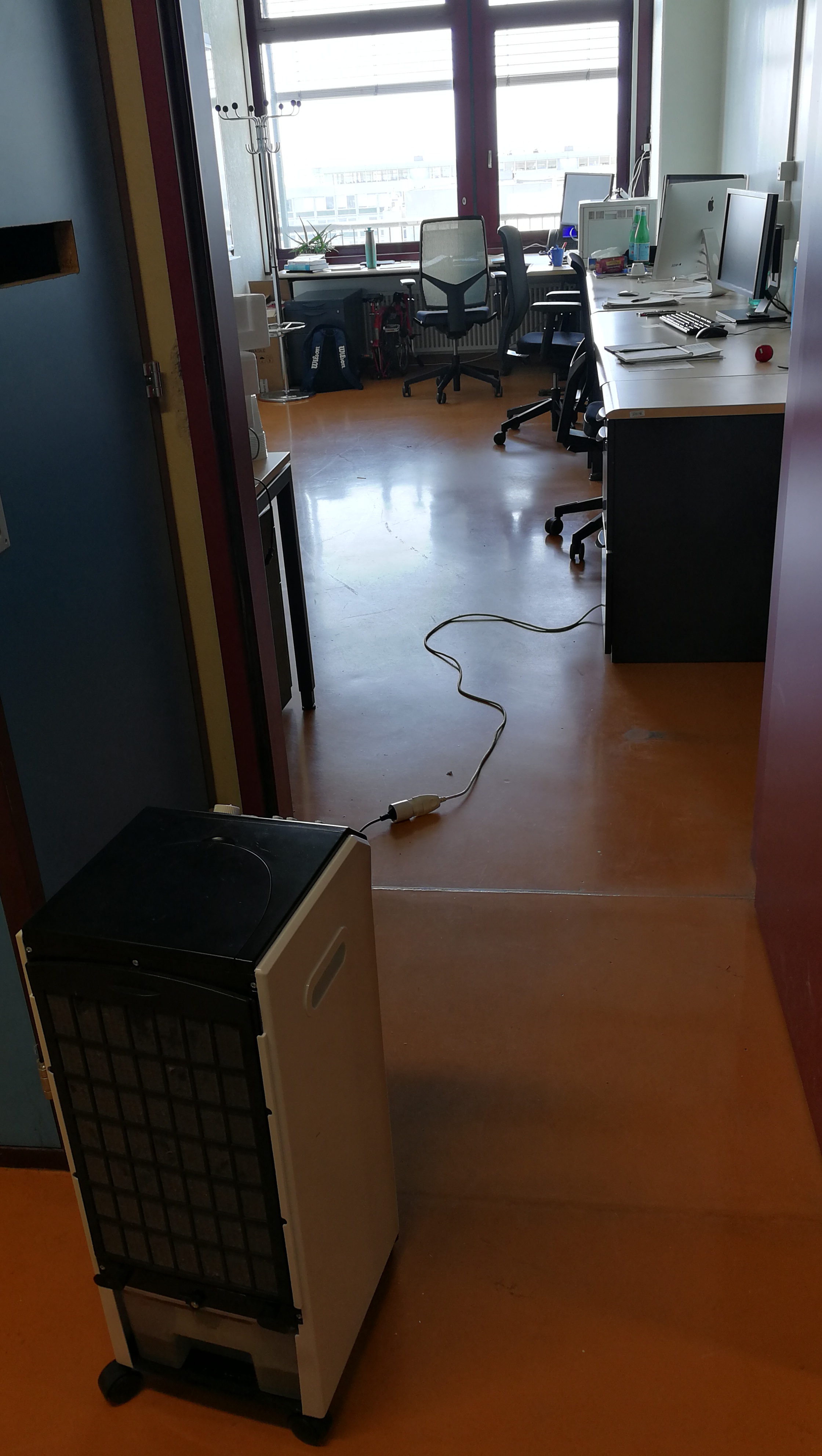
5 - Doing a PhD in Neuroscience does not require a functioning brain
Patrick Salmon. Smartphone
In September 2018, another heatwave. To prevent overheating in the west-facing rooms on the 8th floor of the Neuroscience Department, common sense dictates that the blinds should be lowered to prevent heat gain from radiation, and the windows should be closed to prevent heat from entering. However, here and there, in the blazing sun, we find this type of setup. Maximum radiation with the window in full sun, and the air conditioner on full blast at the door opposite. As a reminder, the occupants of this room are scientists, some of whom are PhD students or even already PhDs. PhDs in Neuroscience, who study how the brain works!
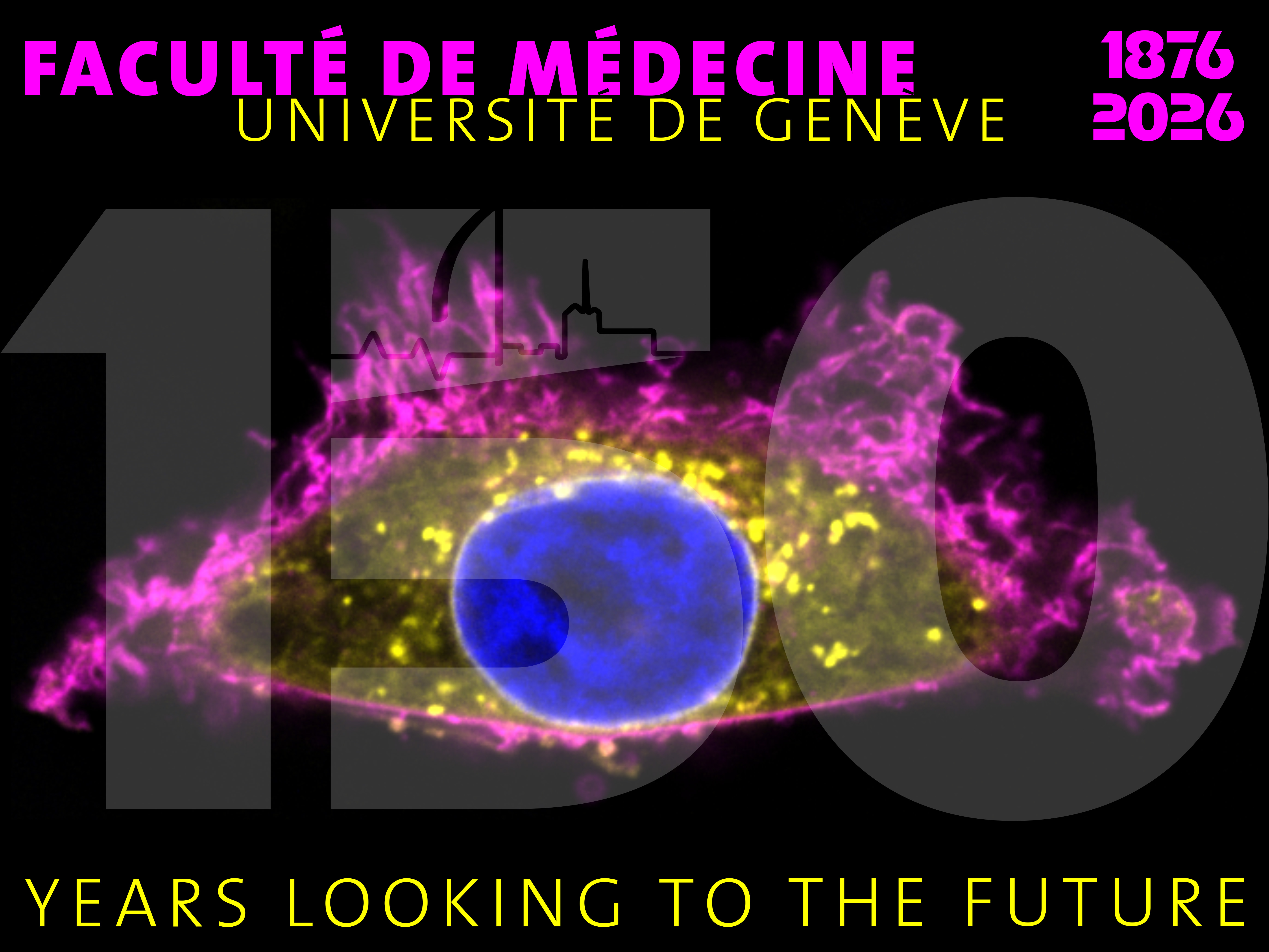
 6 - 150 years looking to the future
Gonzalo Solis. Montage using a confocal microscopy image and Faculty iconography for its 150th anniversary.
The ‘eye’ symbolizes the celebration of 150 years of the Faculty’s history and achievements, while reflecting a forward-looking commitment to innovation and discovery. The image depicts a human HeLa cell expressing fluorescent markers for the nucleus, nuclear envelope, and plasma membrane, creating the striking appearance of an eye. It originates from a research project that developed a novel cell-based assay to determine the subcellular localization of lipidated proteins (PMID: 35440597).

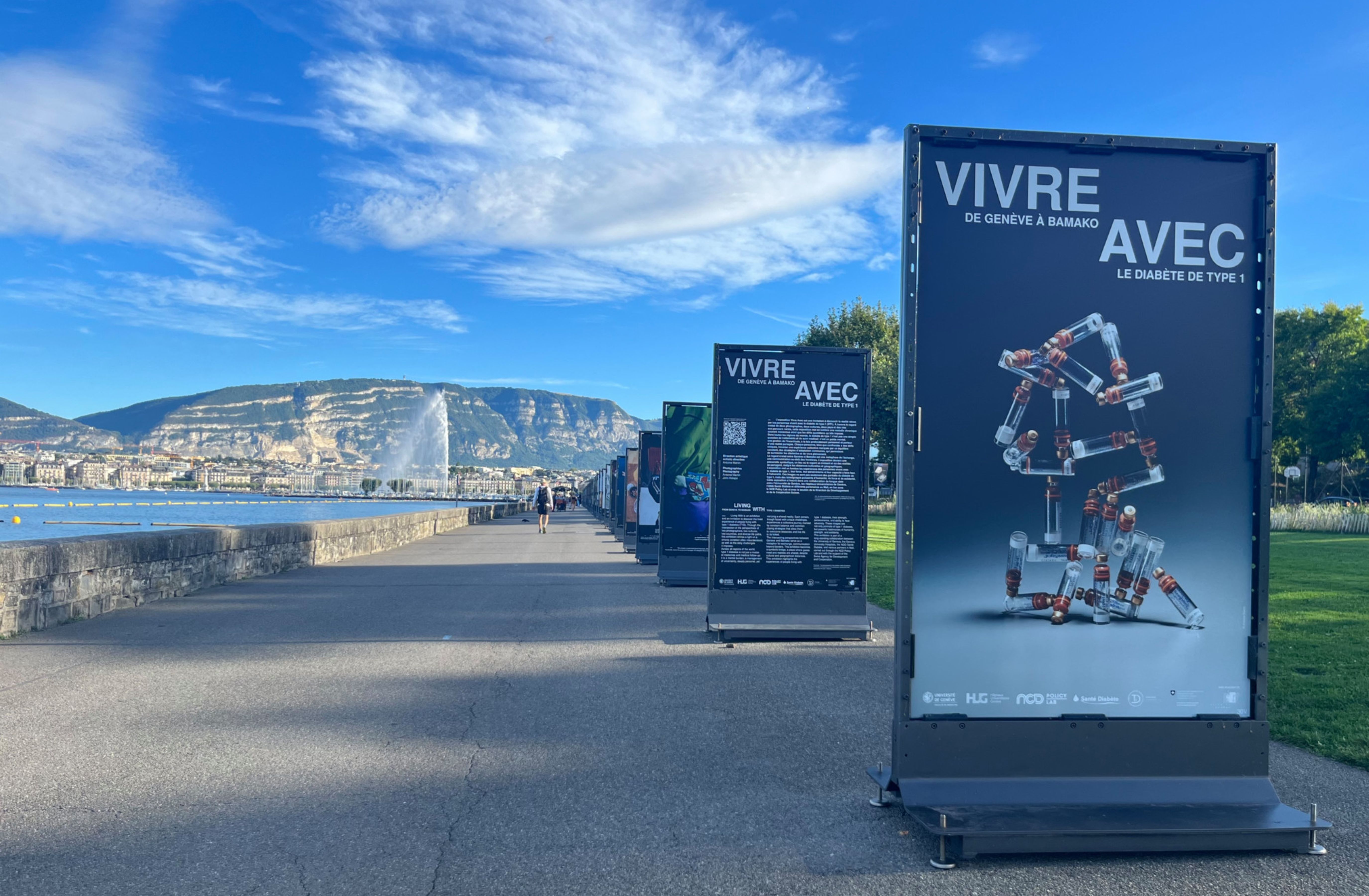
7 - LIVING WITH: The Faculty of Medicine at the heart of the City
Marina Giachino. Photography
This photography, from the exhibition LIVING WITH (September 2025, Quai Wilson, Geneva), illustrates the Faculty of Medicine in a different way. It shows the University of Geneva and its Faculty of Medicine stepping outside their walls to translate science in a different way, collaborating with different perspectives and sensibilities in order to raise public awareness of issues that concern society as a whole. A beautiful example of public outreach.

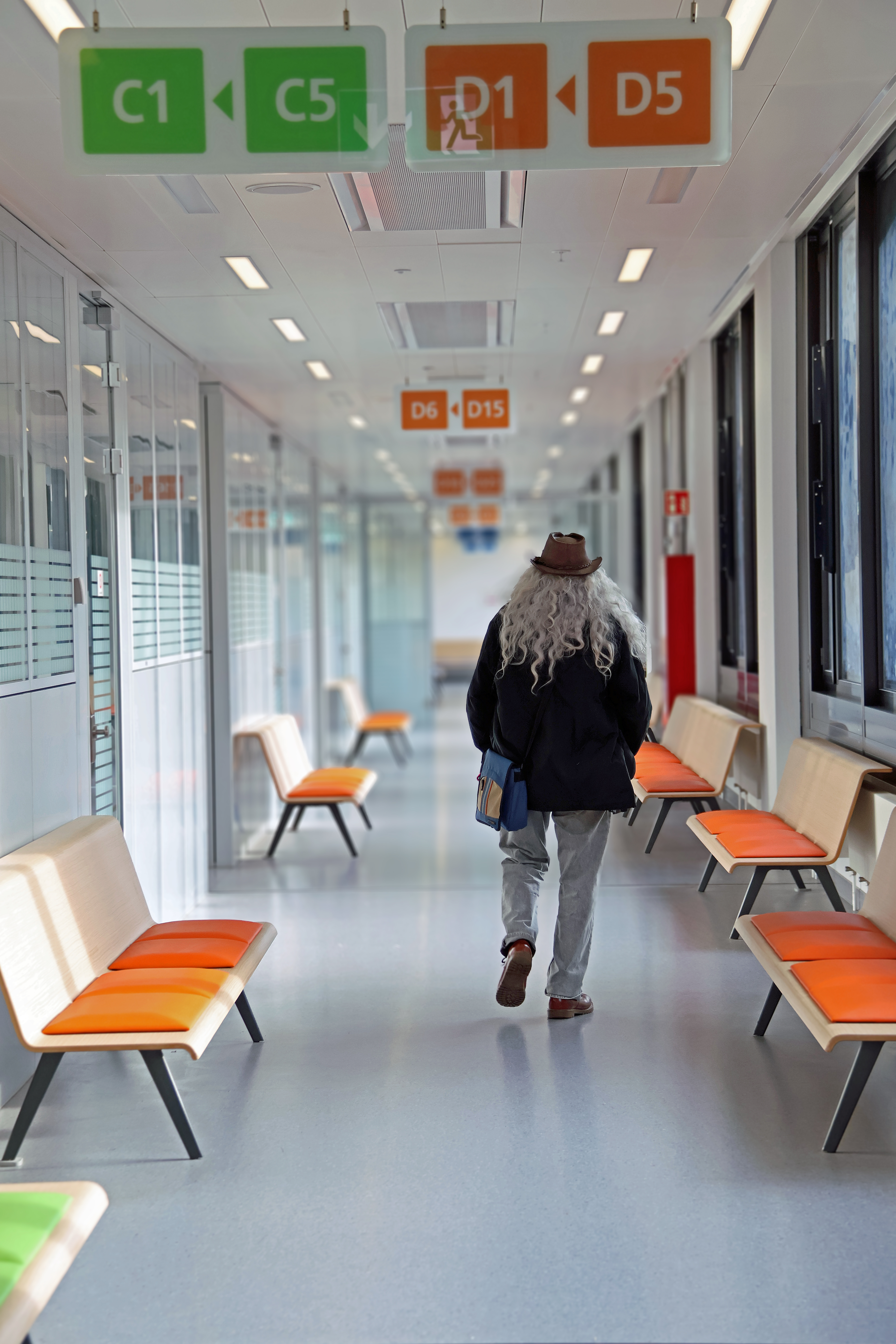
8 - Stéphane, loyal to the CUMD for 25 years
Vanina Rossier. Photograph taken with Canon EOS R50, edited with Adobe Photoshop Element 2025
Stéphane will soon be retiring and has lost all his teeth, but the CUMD is there for him. He is the father of three children, including a daughter who is a project manager at the Faculty. Always in a good mood, he never forgets to say "hello" to everyone at the CUMD.

9 - From the "B400" to family life
Vanina Rossier. Photograph taken with a Canon EOS R50, edited with Adobe Photoshop Elements 2025
Since the beginning of studies in 2014, the family has been growing… and the ability to balance everything is truly admirable.

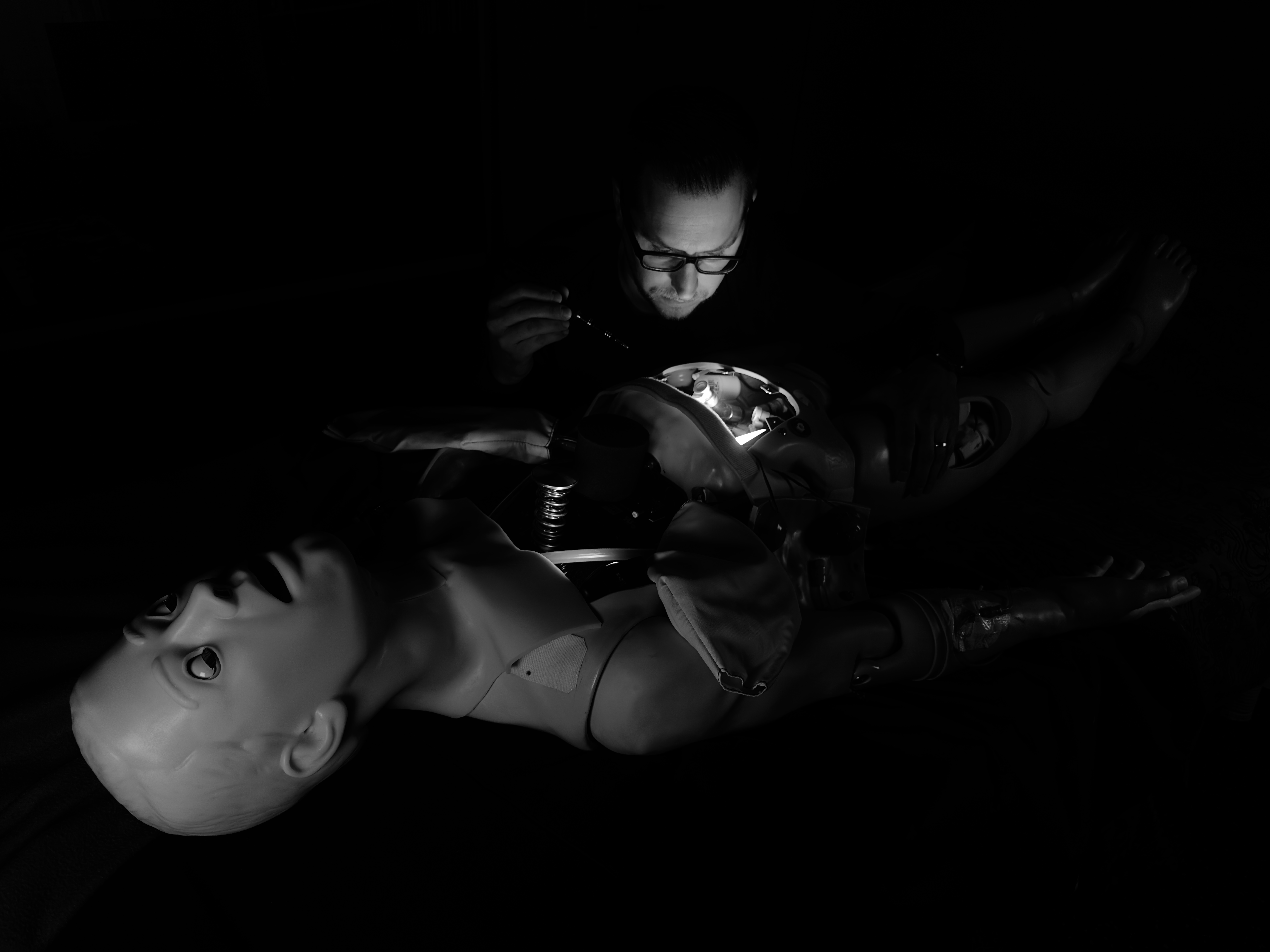
10 - This is a human being
Ambroise Poncet. Photograph taken with an iPhone 14 Pro Max. Directional lighting was used to create a chiaroscuro effect and enhance the dramatic atmosphere. The image was converted to black and white in post-production to emphasise the contrasts and depth of the shadows. The framing and lighting were designed to suggest the technician's gradual disappearance in the face of the machine's dominant presence. No editing or AI image generation.
At a time when artificial intelligence simulates, calculates and predicts, this image questions the place of humans. The open mannequin reveals precise mechanics, but the real subject is the one who learns, adjusts and doubts. Was this text generated by a human or a machine? Without humans, there are no machines. Without machines, there is no evolution. Here, intelligence does not oppose: it builds.

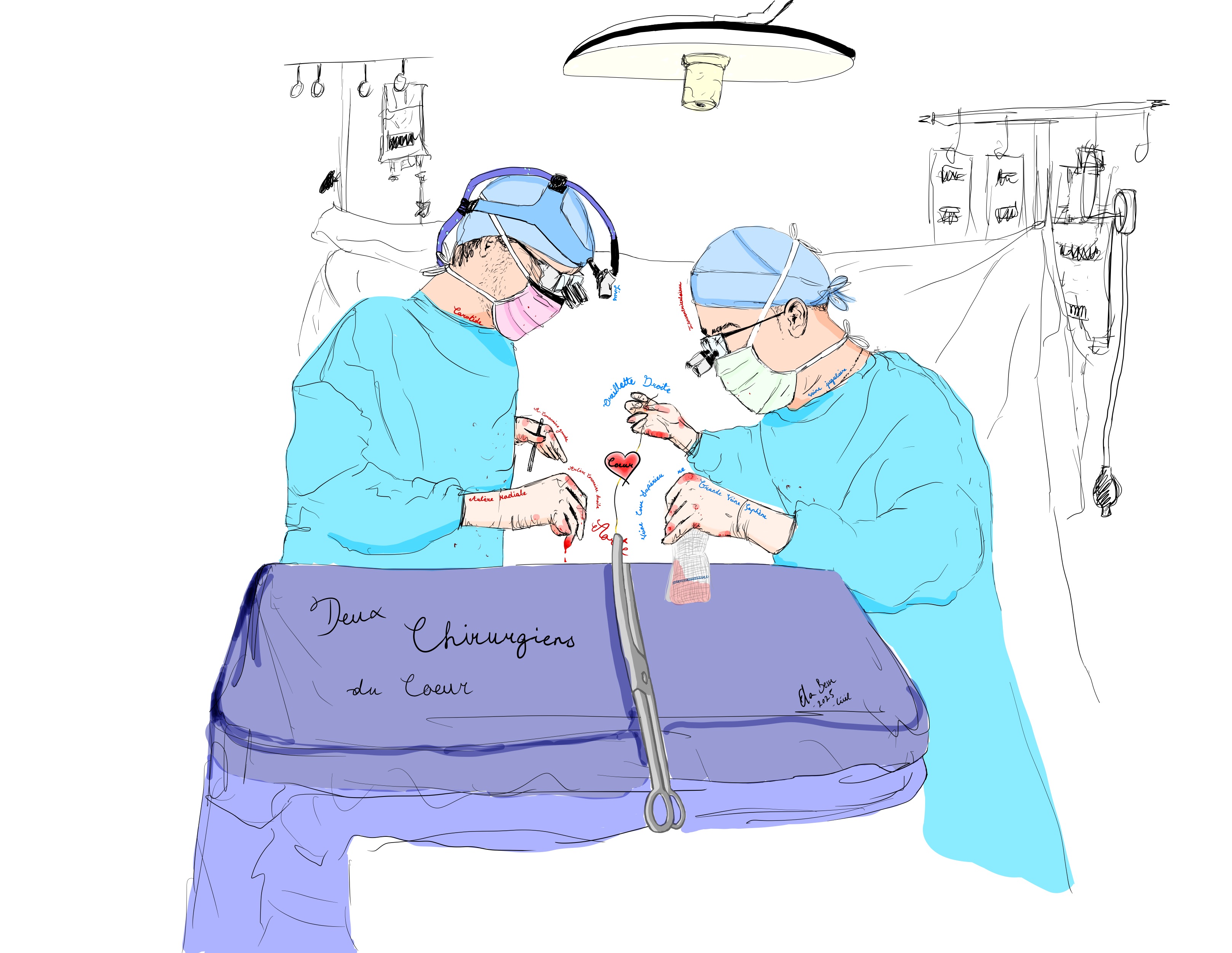
11 - Two heart surgeons
Ela Besse. Drawing created live in the operating theatre on an iPad mini using the Goodnotes iOS app and a stylus. No AI or auto-fill was used, only drawing tools and everything was done by hand.
This drawing depicts two heart surgeons from the Clinique Cécil in the middle of an operation. The anatomical structures are not visible, but the protagonists' gestures implicitly point to the heart and its vessels.

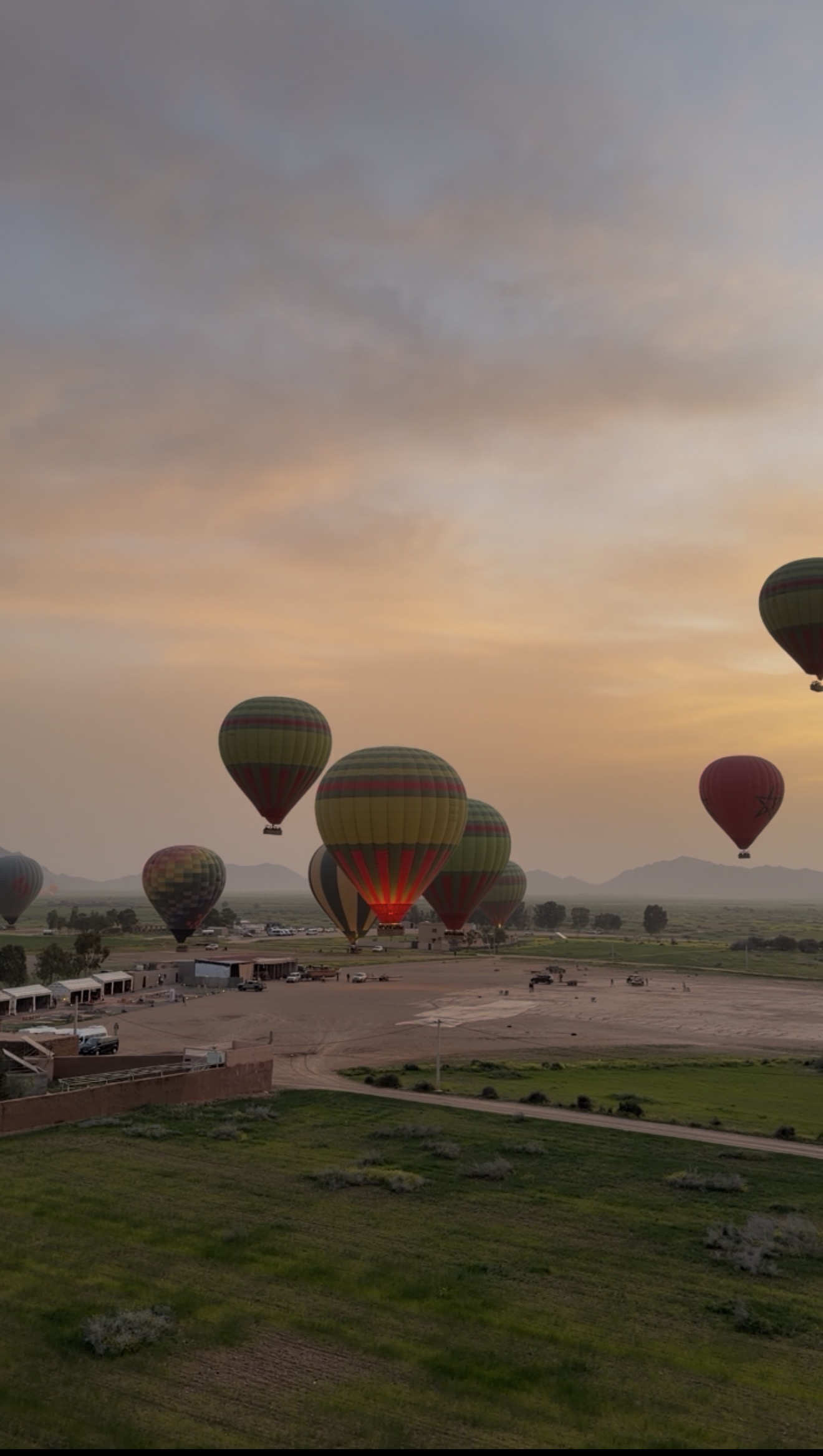
12 - A Breath of air
Sandra Lacoste. Photography
At the University Clinics of Dental Medicine (CUMD), every piece of knowledge acquired is like a breath of warm air in a hot air balloon: it allows you to gain height, broaden your clinical perspective and transform the rigour of the procedure into a true space of therapeutic freedom.
 13 - L5 L4 L3
Mathias Delahaye. Camera: Nikon Z7 II and Nikkor 24-70mm f/2.8 S lens - Exposure: 1/15s, f/3.5, 24mm, ISO 160, handheld camera - No AI or editing other than masking in Adobe Lightroom
A simple black and white photograph highlighting the main staircase in the CMU lobby. This image depicts a place that is probably familiar to anyone seeing the building for the first time, and the black and white aims to emphasise the lines of this structure.

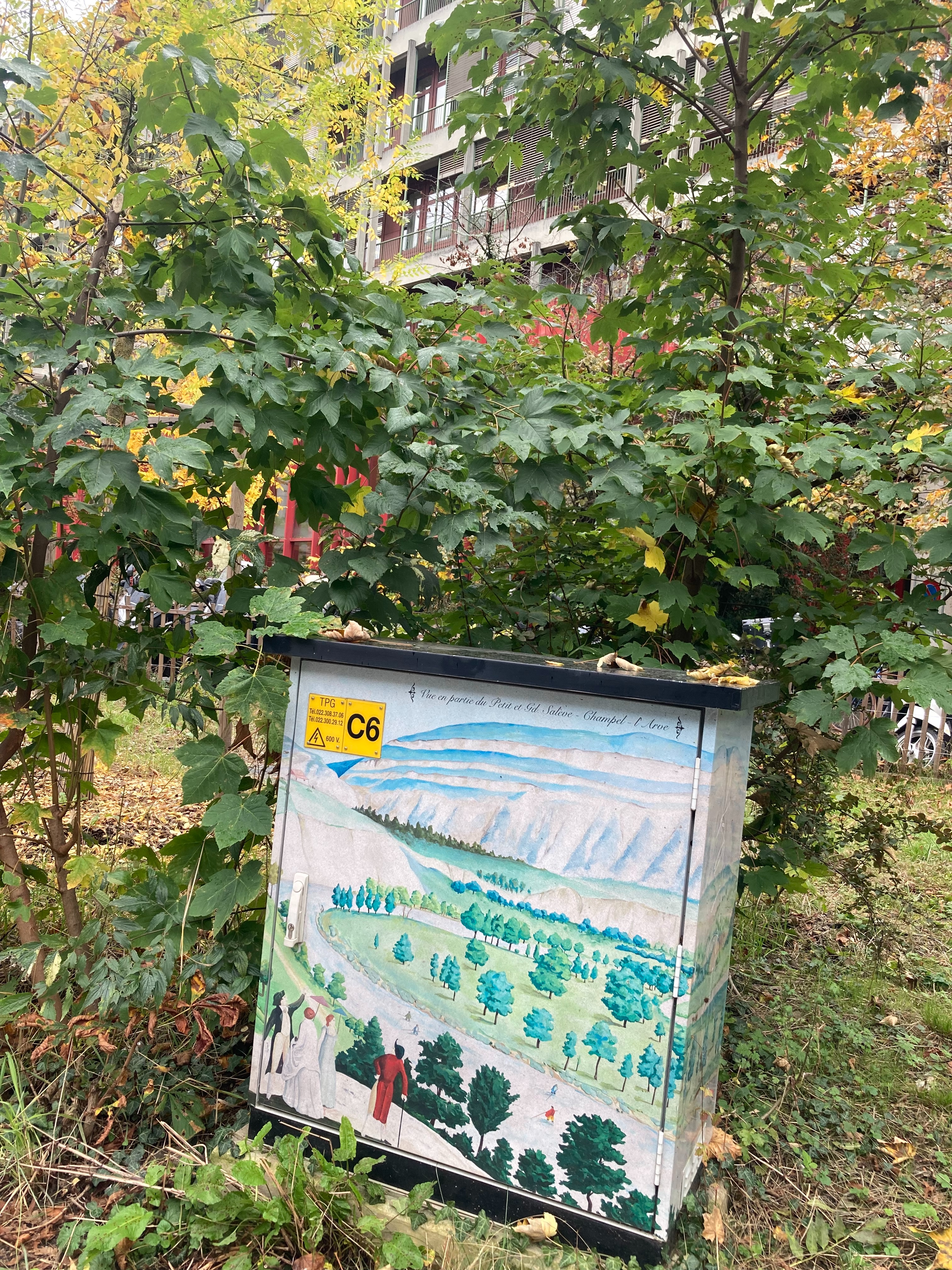
14 - Nature at the Faculty
Remy Papillon. Photography
Geomorphology in front of the CMU with a SIG mural painting of the Salève a few years ago and a bit of vegetation :)
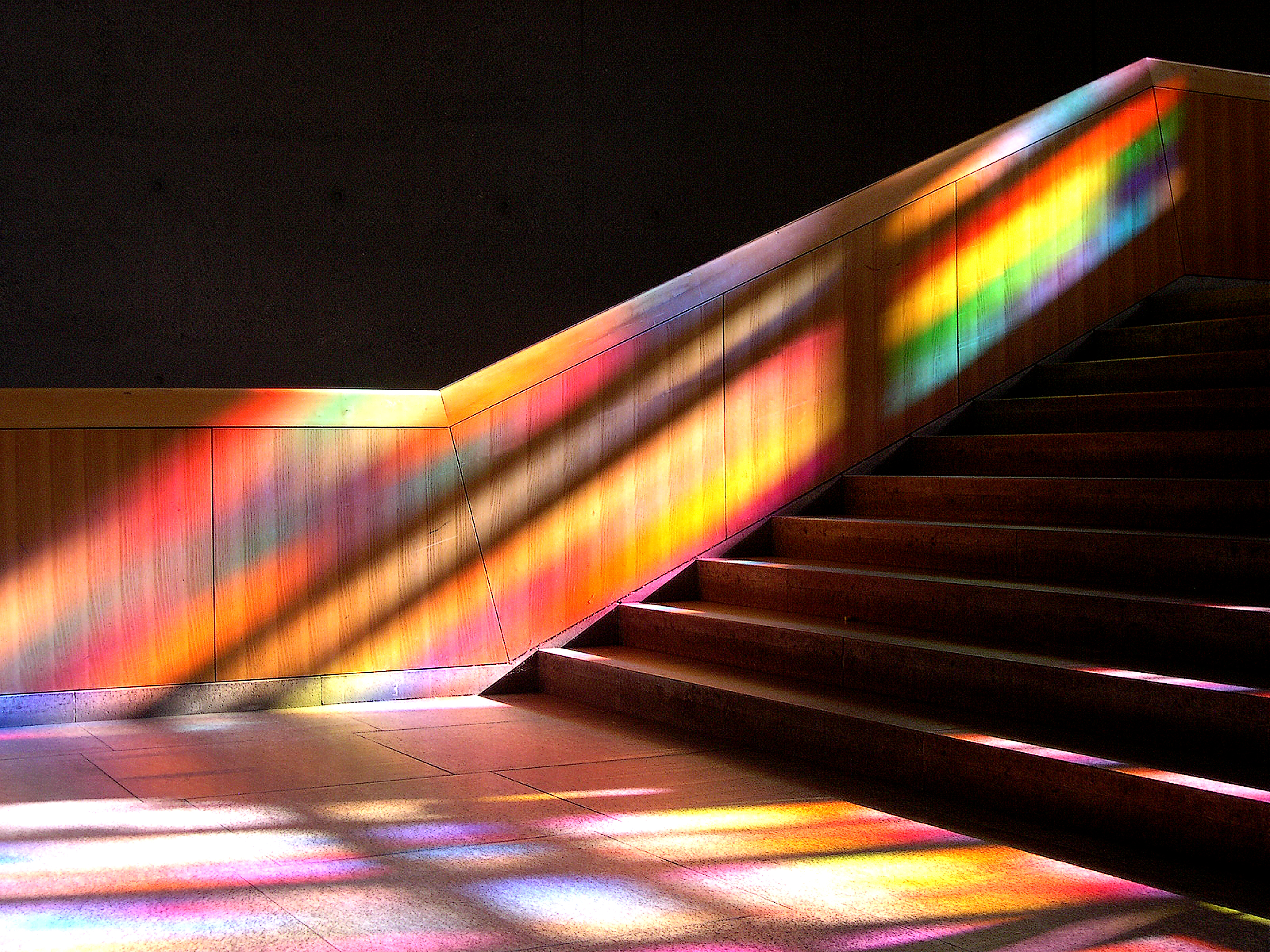
15 - Genetic photo fusion
Gerlof Salm. Unedited photograph
During the temporary installation "Le Mouvement du nuancier" (created by the artist Carmen Perrin ), as part of the Science et Cité Festival in 2005, the sun illuminated the stairs of the CMU, transforming them into a multicoloured mosaic.
 16 - Golden hour
Yonnou Kim. Photo taken on a mobile phone (Samsung Galaxy S22) and resolution increased with Adobe Photoshop.
Twilight on 2 February 2024, seen from the CMU terrace by students taking a break from their cardiology revision.

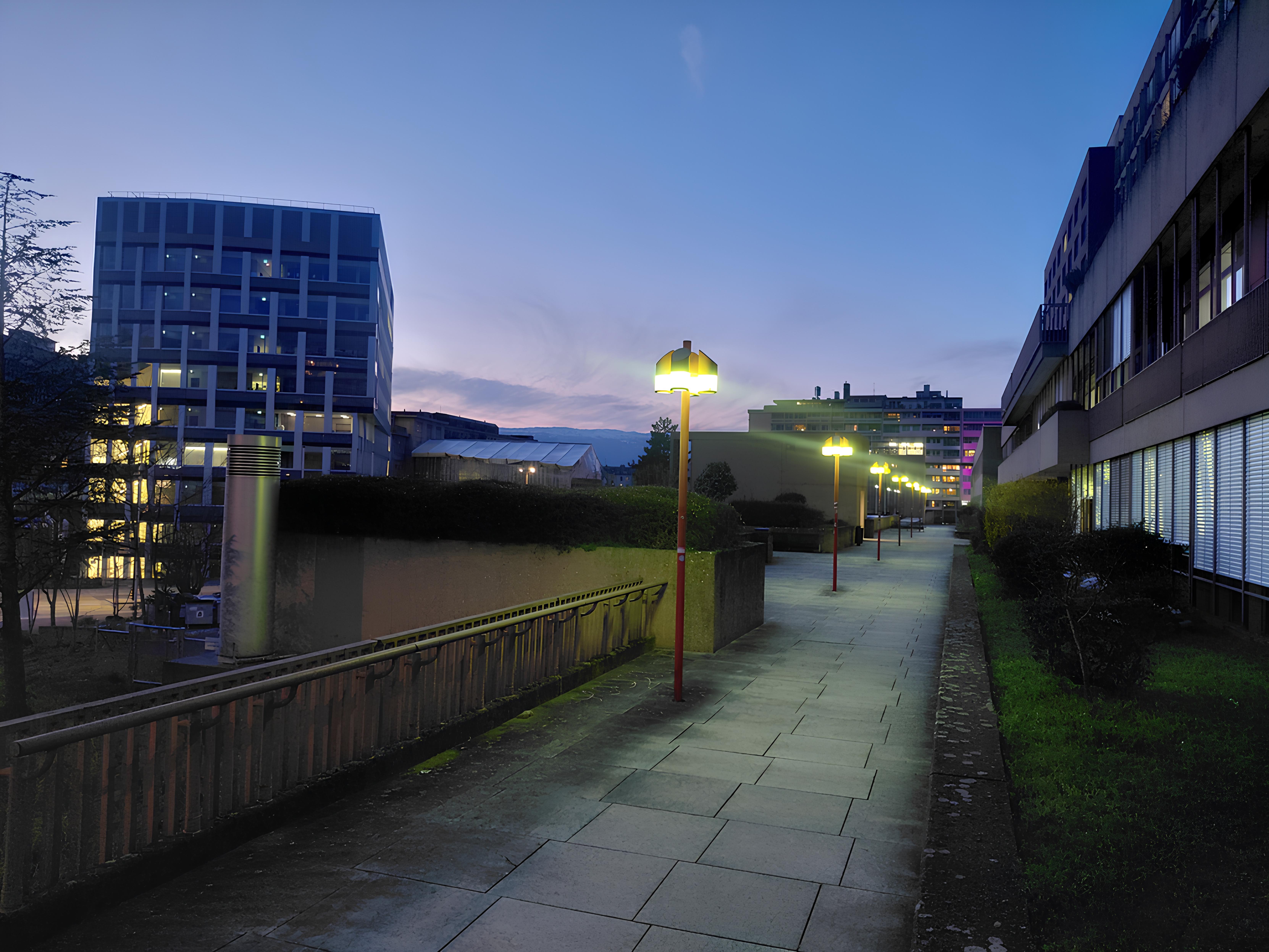
17 - Dream on the way
Diana Zanotel. Samsung A36, no editing, no flash, wide-angle lens
This photo was taken on 2 March 2026 at 6:45 p.m., after finishing my revision. On the left is the HUG and on the right is the CMU. Being at the CMU in my first year of medical school is a goal I had set for myself many years ago. The HUG is my dream. And the viewpoint of my photo is me in the middle of these two buildings with the streetlights in front of me, marking the way. The purple sky completes the beauty of this moment. I don't know if this photo inspires any emotion, but it was taken at a moment of pride and for me, that's enough to appreciate it.
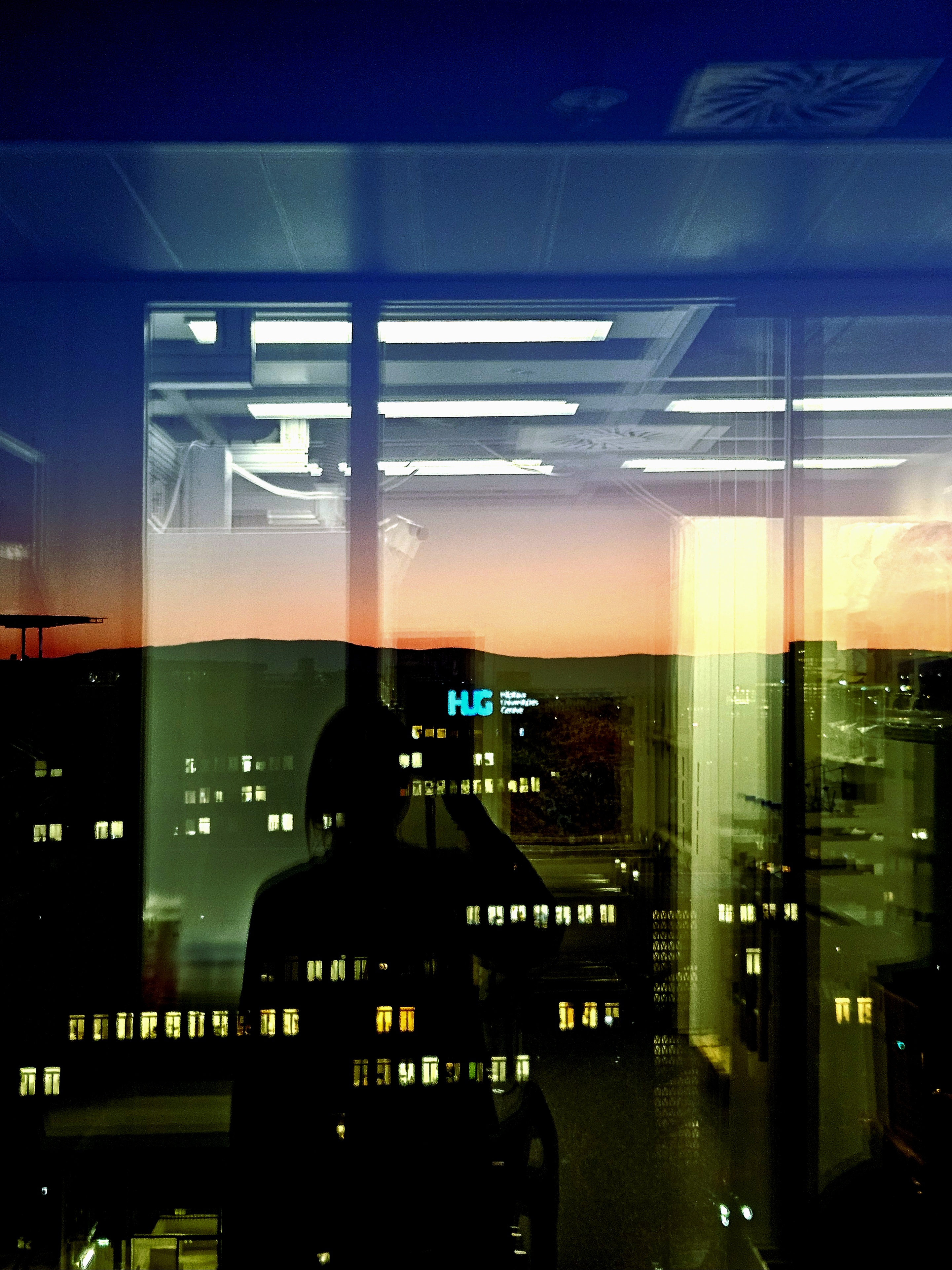
 18 - Splinters in the shadows
Jelena Gajic. Simple adjustments made in the Gallery app on a Samsung S23: correction of contrast, brightness, and colors. No montage, no use of AI, and no advanced editing (Photoshop, etc.).
At first glance, the scene appears dark: evening is falling and a scientist is working late in the quiet of the laboratory. Yet the image is above all a story of light: both literal and symbolic. The lights of the city, the illuminated windows of the hospital, the glowing HUG sign, the last colors of the sunset, and the lights of the laboratories of the Faculty of Medicine remind us that every piece of research seeks to shed light on diseases, open paths toward prevention and healing, and bring a little more light to the future.

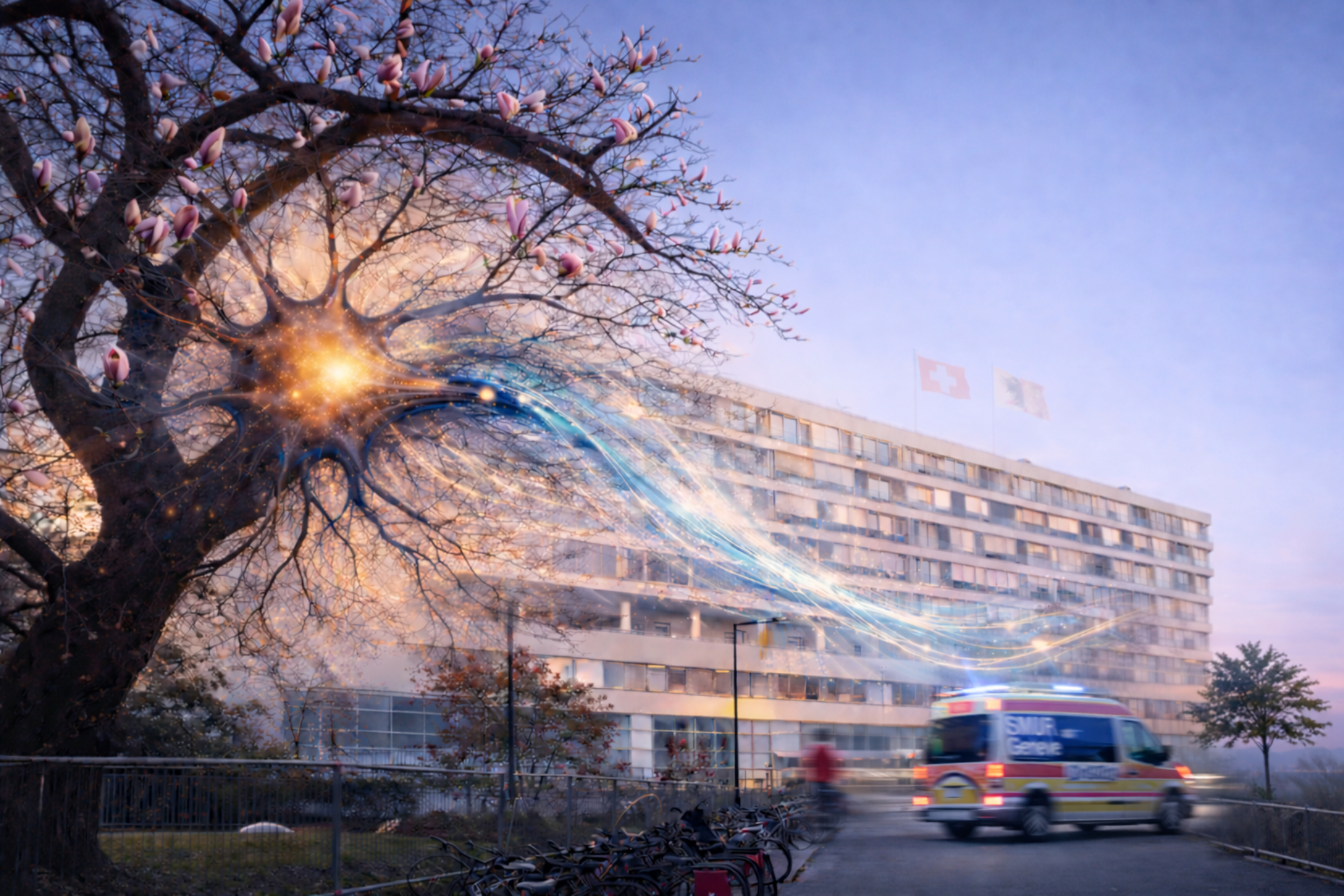
19 - The Synapse Tree
Mahdia Benkhoucha. Original photograph from the University Medical Centre (CMU), visual composition created using graphic elements inspired by neurobiology. The illustrations were developed using BioRender, then reworked and digitally integrated to create the final image.
I arrived in Geneva in 2002 and built my scientific career at the CMU, which over the years has become a second home. Every day, as I walk through the neighbouring HUG, I feel the living connection between medicine and research. Over time, Geneva has also become my home. In this image, the magnolia tree transforms into a neuron and creates a symbolic synapse between these places, reflecting the scientific and human connections that have marked my history.
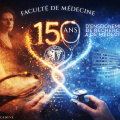
20 - From heritage to innovation: the DNA of medical knowledge
Tamara Widmer. Photomontage and graphic composition created using Adobe Photoshop. Visual background generated by artificial intelligence, then reworked and integrated into the graphic composition. Use of illustrations, textures, typography and lighting effects.
This creation celebrates 150 years of the Faculty of Medicine at the University of Geneva by illustrating the link between heritage and innovation. The past, evoked by archives and founding figures, dialogues with contemporary medicine and scientific technologies. The DNA spiral symbolises the transmission of medical knowledge, connecting generations of researchers, teachers and physicians to the future.

21, 21A - The Faculty of Medicine – theatre of life, phase after phase
Catherine Bulliard. For this project, I did not use artificial intelligence in any way. It would be somewhat contradictory to attend a photography school and then be unable to put together a project without AI. In a world where everyone thinks they know how to do everything, without realising that not everything is within everyone's reach, I am happy to have come up with an idea on my own and to have managed to put it together to achieve a goal. Even though my eyes dried out from spending hours in front of the computer editing on Gimp, it is much more rewarding than using artificial intelligence.
FacMed is not just a period of life for those who commit to it: it is its entirety. Being a student, graduating, becoming a junior physician, then a physician, and finally looking back on one's life with pride. Combined with that, myself: blending my present life, an insignificant PAT, and my past life as an artist too shy to truly become one. With the protocol now in place, more time would have allowed for more locations and different atmospheres to make this work a genuine series. (500-character limit: for the full text, contact: )

22 - Knowledge networks: 150 years of our Faculty
Valeria Gonzalez Guerra Vazquez. Collage of personal images submitted to an artificial intelligence tool with the narration of my idea (connectivity and knowledge networks), then reworked and digitally scaled to optimise the resolution and final composition.
This illustration depicts everyday life in a university medical faculty. Students, researchers and physicians interact in a shared space, symbolising the transmission of knowledge. The scientific motifs integrated into the floor evoke knowledge networks and connections between disciplines, illustrating the collaboration and innovation that shape contemporary biomedical research.
 23 - Hidden poems
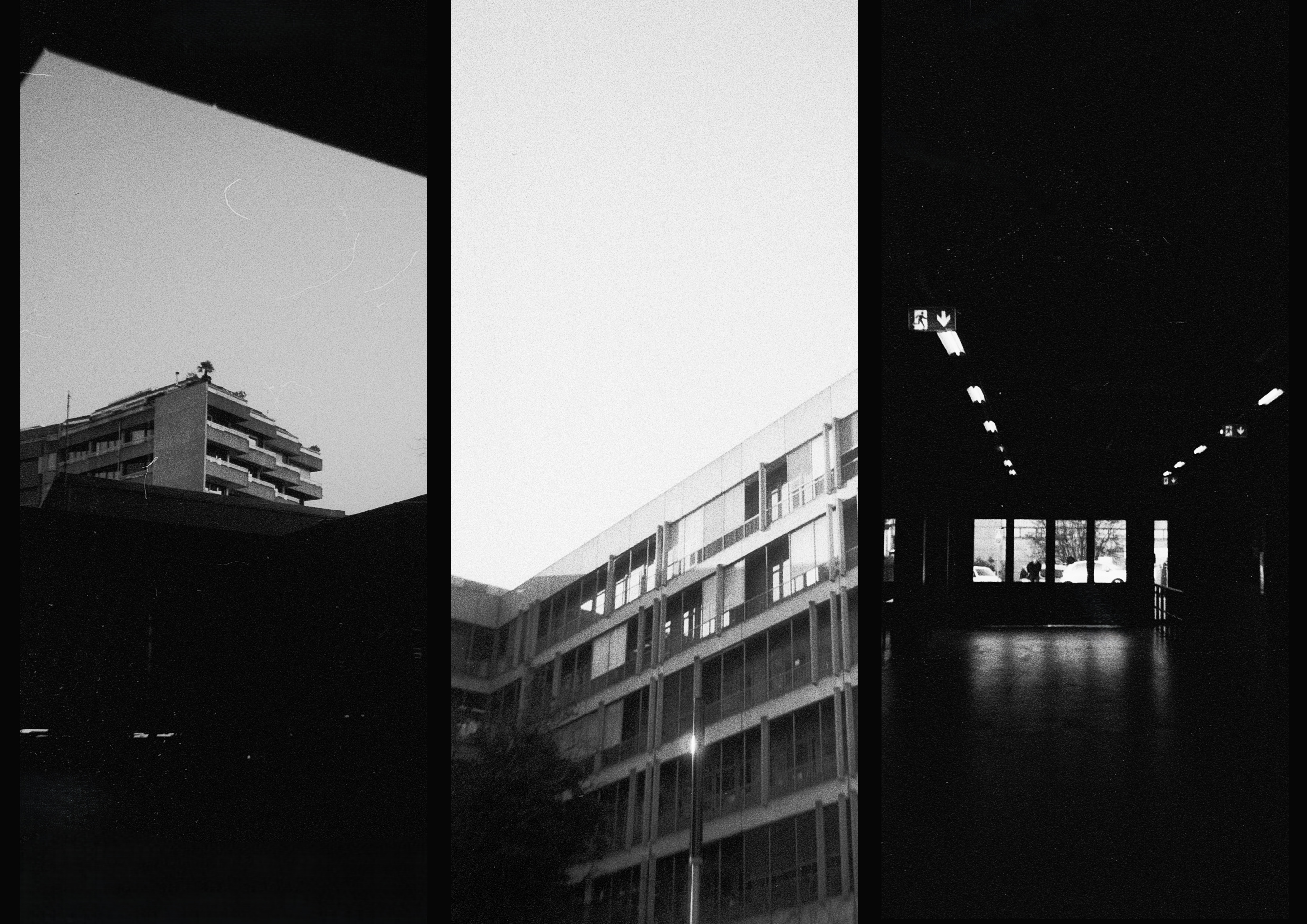
Louis Kunz. Black and white analog photography developed in my bathroom. Montage in inkscape. AI used for dust removal.
Overlooked perspectives of/from our beautiful brutalist building. Left is in front of the restaurant, middle front of the building and right is an outward view from the loge. Sometimes it's worth stopping and looking at what most would find ugly, to realise that there is (maybe) some form of elegance, poetry, or even beauty in it. If I was an artist I would even say that the world would be a better place if people found beauty in ugliness rather than ugliness in beauty. But I'm only a scientist.

24 - Training in tele-echography in Nouakchott: a thirst for learning and sharing knowledge
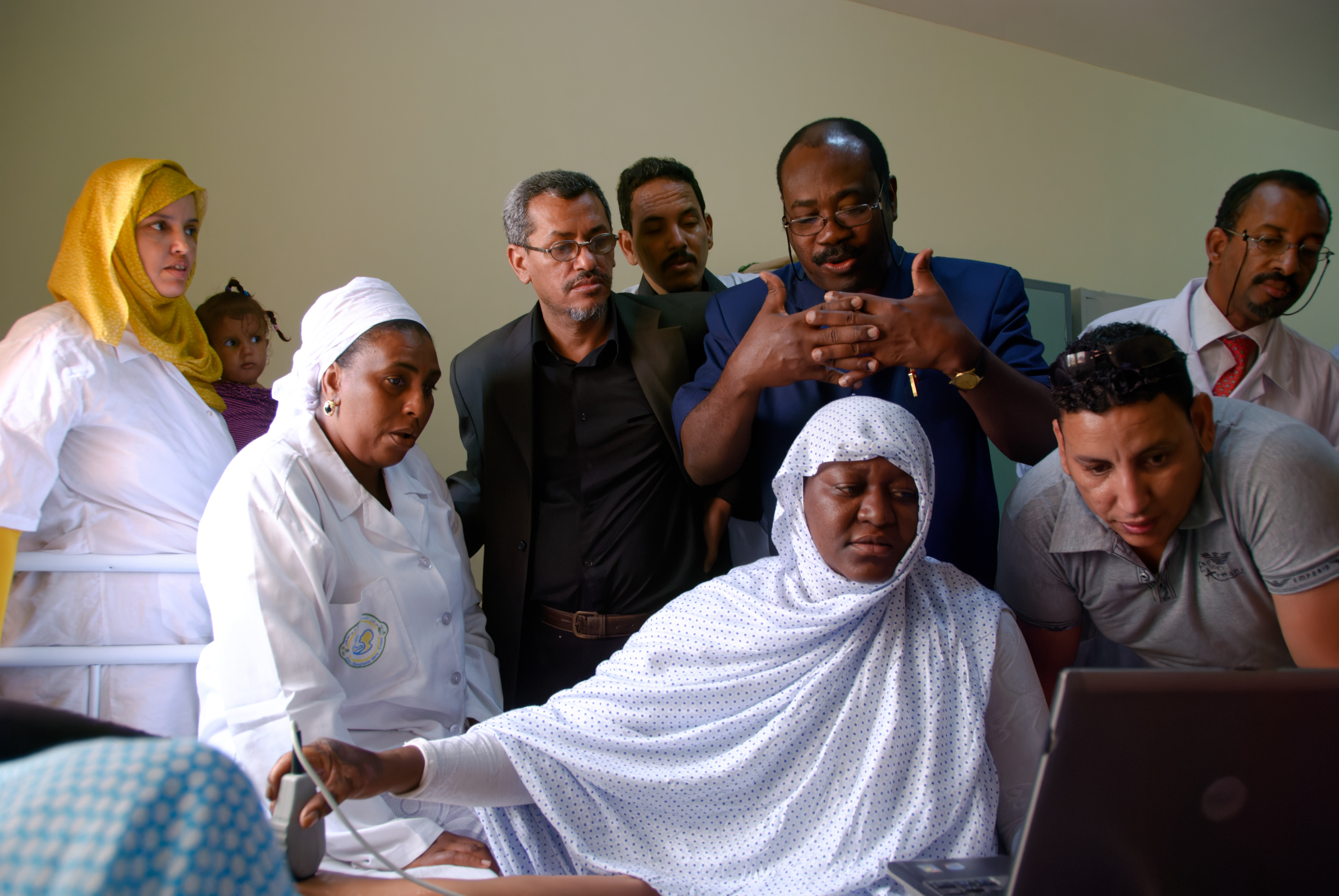
Antoine Geissbühler. Digital photography with post-processing by DxO.
As part of the RAFT programme run by the Faculty of Medicine and the HUG, in November 2012, in a maternity hospital in Nouakchott, Mauritania, a Malian radiologist taught the principles of ultrasound and telemedicine to a female general practitioner who runs a small hospital in the Mauritanian desert. She will return there equipped with this ultrasound scanner, telemedicine IT tools and, above all, a support network so that she can seek remote expert advice for difficult cases if necessary. This is a powerful moment of exchange, curiosity and transfer of knowledge and skills within a South-South collaboration network adapted to local realities.

25 - Supporting the development of premature babies
Stéphane Sizonenko. Digital photo
Photo taken in the neonatal unit of the BPKIHS, Dharan, Nepal, as part of a project to teach developmental support care in neonatology. A project supported by the Commission for Humanitarian Affairs and International Cooperation (HUG-Faculty of Medicine)

26 - Secret garden
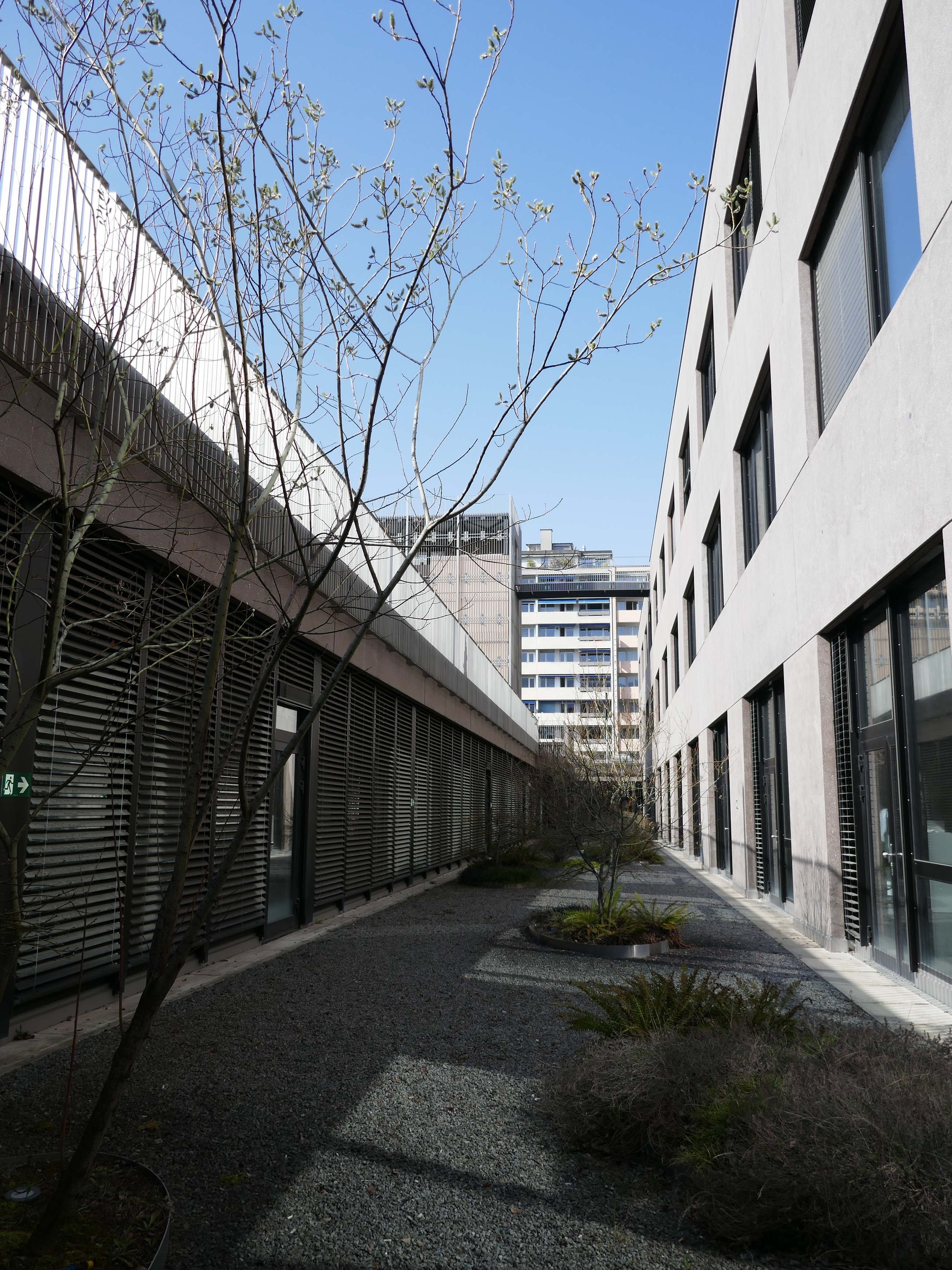
Elisabeth Coudert. Photo without any retouching or editing.
A somewhat secret place at the University, on the ground floor... Every time I walk past, I stop for a minute. I like the lines that stand out and the impression that nature is trying to find a little space amid the walls and gravel...

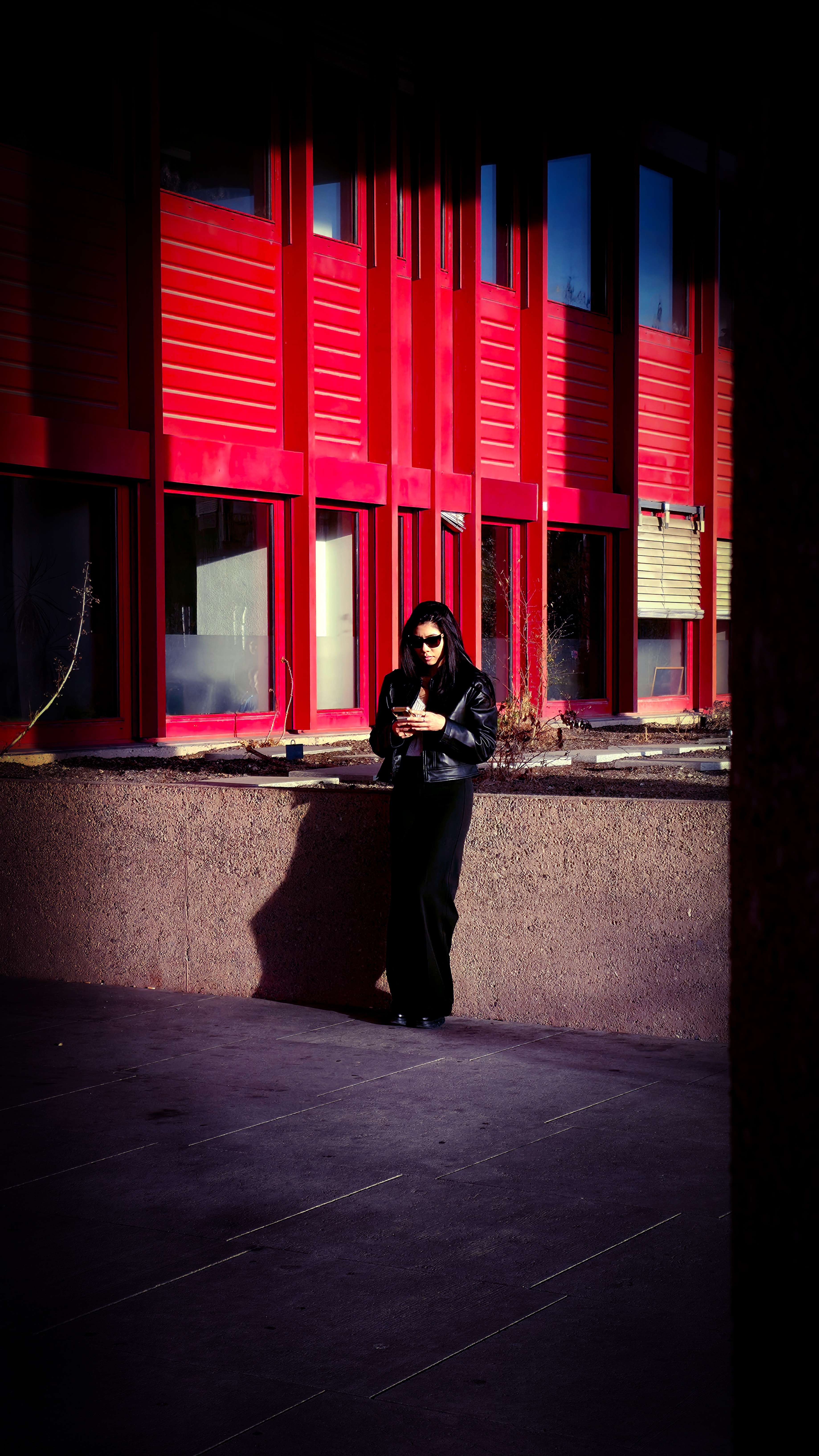
27 - A sunny break
Mélanie Teixeira De Almeida. Photograph taken with Samsung S25Ultra and edited with Adobe Lightroom.
With the first rays of spring sunshine, it's a pleasure to take a break in the sun on the beautiful terrace of the CMU.


28 - In between two areas of knowledge
Mélanie Teixeira De Almeida. Photograph taken with Samsung S25Ultra and edited with Adobe Lightroom.
Depiction of an individual moving from one class to another or from one laboratory to another.
Between the two floors are the two areas of knowledge acquired by the individual.

29 - Intersections
Margarita Burgueño. Drawing made with pencil (3H and 3B), reworked in Photoshop Express for greater contrast, then using Illustrator to redefine the circles and add colour to the intersections.
Through two profiles, one young and the other more experienced, this drawing evokes the transmission of knowledge, learning and exchange. One looks to the future, while the other carries the experience of the path already travelled.
The circles represent the people we meet within the Faculty, each with their own background and knowledge. When the circles intersect, their intersections are coloured: they symbolise interactions, collaborations and life, where experiences, ideas and generations meet.

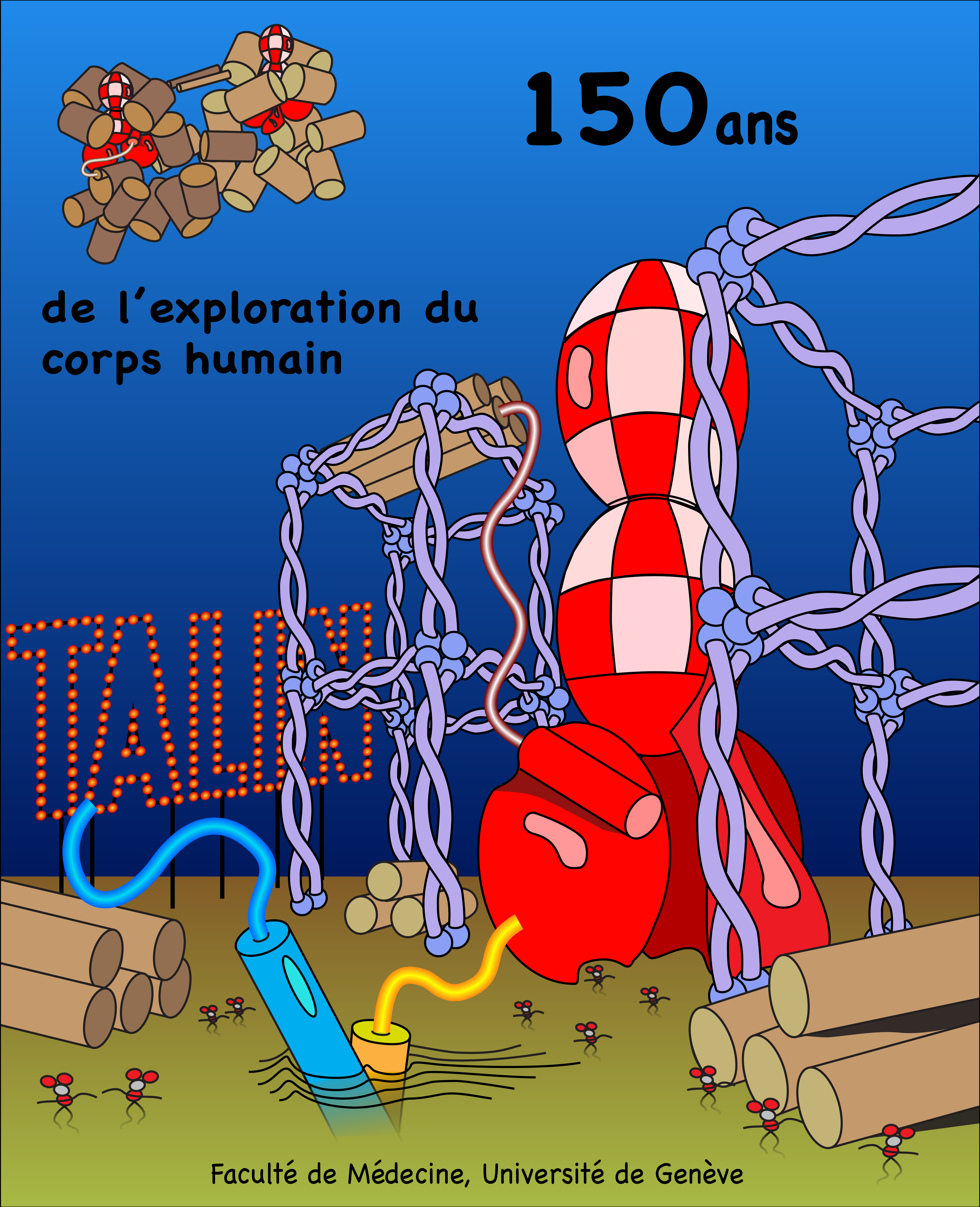
30–150 years of human body exploration
Bernhard Wehrle-Haller. Adobe Illustrator
The interior of a cell with transmembrane proteins and intracellular adaptors
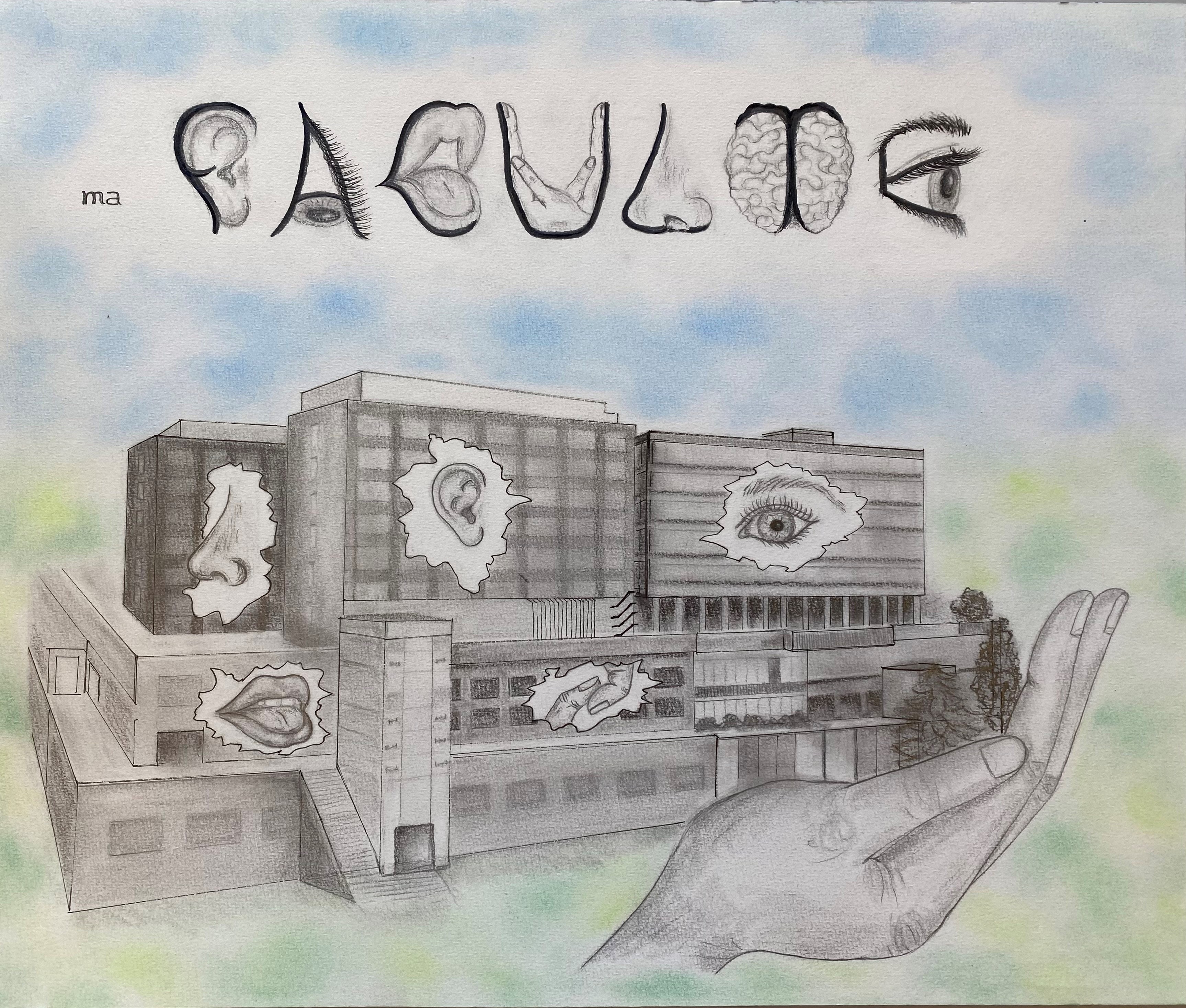
 31 - My Faculty in all its "senses"
Marie-France Leitner Châtelain. Drawing using graphite pencils of various shades and coloured pencils. Techniques: hatching, blending, erasing. Technique for the background: blending (I scraped the leads of the coloured pencils to obtain a very fine powder, which I placed on a cotton pad, then rubbed the powder-coated cotton pad onto the sheet, blending it in).
Through this drawing, I wish to pay tribute to our 5 main senses, or rather the 5 organs that enable these 5 senses to be brought into action. I wish to illustrate a tiny part of the beauty and fascinating complexity of the human being, who is at the heart of the research, relationships and learning that take place at the Faculty of Medicine. Not forgetting the human brain, which "brings our senses to life", which in turn "bring to life" what we are — human, with that touch of the divine that remains a mystery.
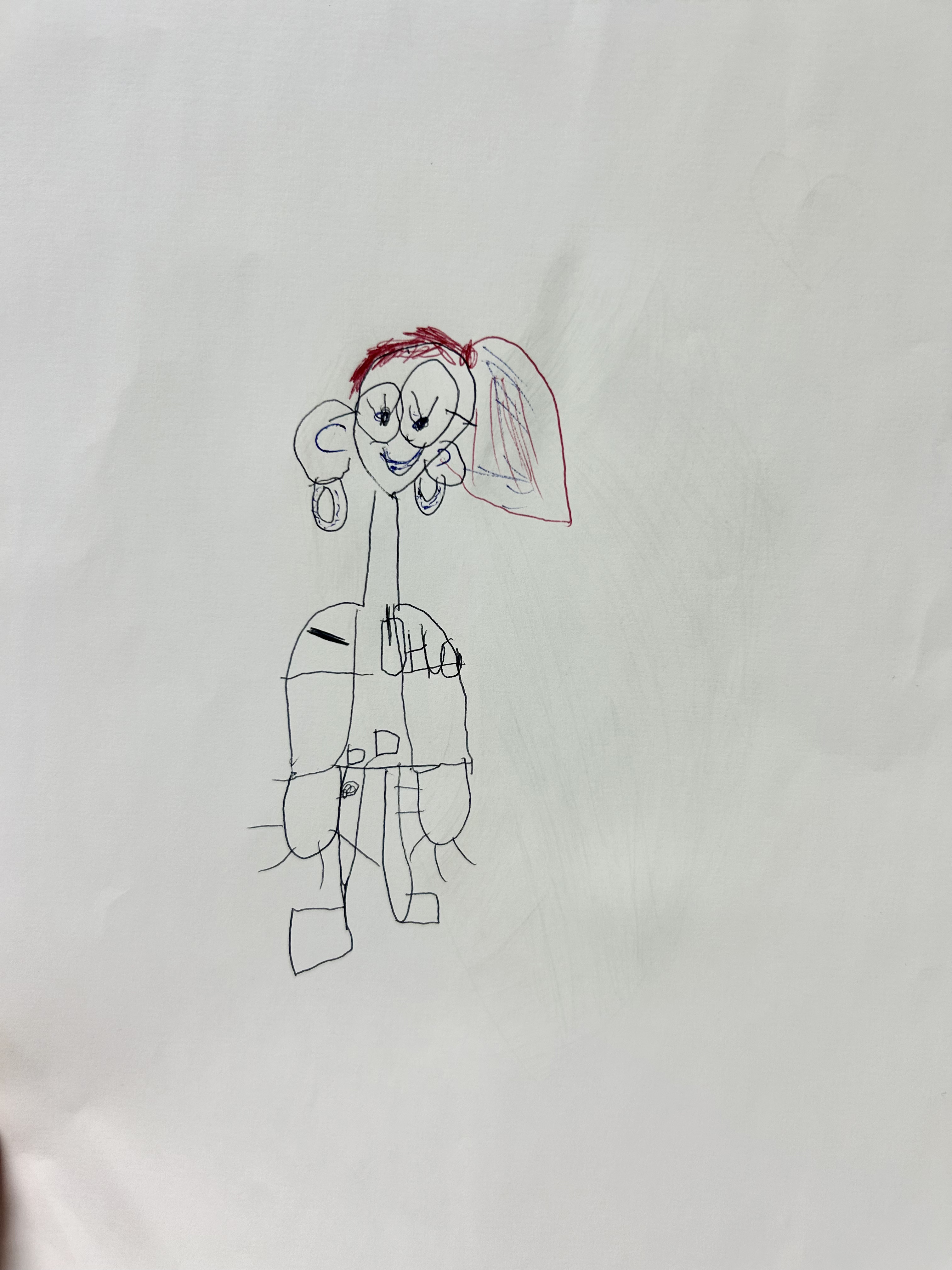
 32 - Demi, I drew you!
Demi Roggero. Drawing photographed.
A young 6-year-old patient at the University Clinics of Dental Medicine (CUMD), during a short break while we were waiting for the assistant to come and check the various stages, created this wonderfully gentle drawing. A simple gesture that fills the heart and confirms to me, more than ever, just how happy I am to have chosen this faculty and this profession for my future.
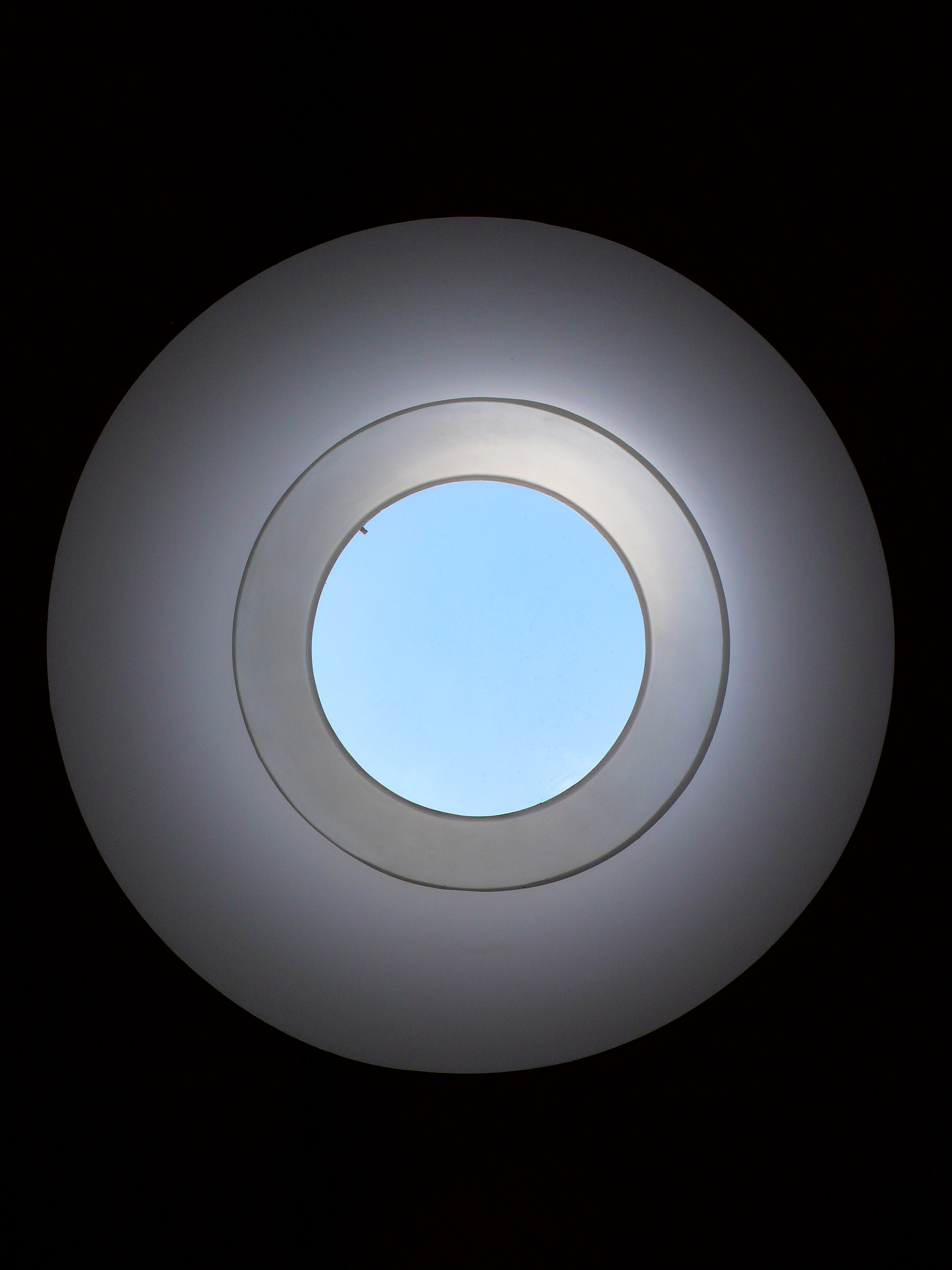
 33 - BlueHole
Gerlof Salm. Unedited photography
It really is the sky you can see in the centre! Quiz: where is this element located in the CMU?
25 Feb 2026