
Etienne Delangre
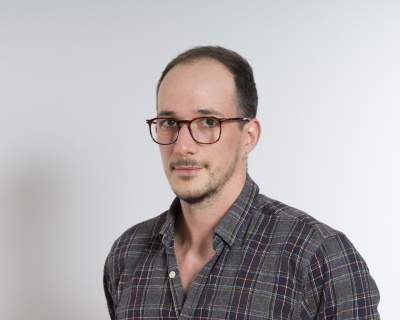
During his academic studies, he specialised in metabolism-related diseases such as obesity, fatty liver disease and type 2 diabetes (T2D). He obtained a Master's degree and a PhD, investigating the physio-pathological mechanisms governing pancreatic β-cell defects observed in T2D, as well as the link between Alzheimer's disease and T2D. The integration of multi-organ circuits, such as the pancreas-brain or pancreas-liver circuits, is an important part of his research interests, given that T2D is a complex, multi-organ disease. After completing his PhD, he decided to expand his scientific knowledge to cover a wide range of topics related to metabolism. To this end, he conducted research as a postdoctoral fellow in the laboratory of the late Prof. Michelangelo Foti in the field of liver diseases (MASLD and hepatic carcinogenesis). He is currently developing his own independent research programme, in the laboratory of Prof. Charna Dibner, which aims to uncover therapeutic targets shared by the liver and pancreatic islets in T2D and has been funded by the Bo & Kerstin Hjelt Diabetes Foundation and the Novartis Foundation.
From his early years in academia, he has focused on developing the skills required to lead his own research. Therefore, in addition to developing diverse research projects, he has always been involved in teaching at universities in Paris and Geneva, as well as training younger scientists (technicians, master's students and PhD students). Furthermore, he strives to share scientific knowledge with non-scientific audiences to break down the barriers between science and society.
RESEARCH AIMS
Type 2 diabetes (T2D) originates from a combination of insulin resistance (IR) in peripheral tissues (such as the liver, skeletal muscles, and adipose tissue) and pancreatic β-cell failure. In the clinical management of T2D, the molecules used are often not multifunctional. Therefore, therapeutic strategies are usually based on a combination of drugs, with one targeting IR and the other supporting β-cell function. While these approaches empower the anti-hyperglycaemic effect, they also result in an increased number of undesirable side effects. In this context, identifying shared dysfunctional mediators between pancreatic β-cells and liver cells could pave the way for innovative therapeutic strategies that address IR and β-cell functionality while mitigating adverse outcomes.
EXPERTISE
- Islets and liver field
- Culture, histology and handling of islets.
- Liver organoids

3D reconstruction of pancreas stained for insulin (red), observed through Light Sheet Microscopy - Collaboration Dr. Christophe Lamy. ©DELANGRE/UNIGE
KEY PUBLICATIONS
Delangre E, Correia de Sousa M, Türkal M, Gjorgjieva M, Chartier S, Arnoux G, Sobolewski C, Fournier M, Maeder C, Rubbia-Brandt L, Maechler P, Foti M. Comparative analysis of S100A10 and S100A11 in MASLD and hepatic cancer development revealed a tumour suppressive role for S100A10. Cell Death Dis. 2025 Aug 21;16(1):633. doi: 10.1038/s41419-025-07940-2
Correia de Sousa M, Delangre E, Berthou F, El Harane S, Maeder C, Fournier M, Krause KH, Gjorgjieva M, Foti M. Hepatic miR-149-5p upregulation fosters steatosis, inflammation and fibrosis development in mice and in human liver organoids. J Hepatol. 2024. doi:10.1016/j.jhepr.2024.101126.
Delangre E, Pommier G, Tolu S, Uzan B, Bailbé D, Movassat J. Lithium treatment mitigates the diabetogenic effects of chronic cortico-therapy. Biomed Pharmacother. 2023;164:114895. doi:10.1016/j.biopha.2023.114895.
Delangre E, Liu J, Tolu S, Maouche K, Armanet M, Cattan P, Pommier G, Bailbé D, Movassat J. Underlying mechanisms of glucocorticoid-induced β-cell death and dysfunction: a new role for glycogen synthase kinase 3. Cell Death Dis. 2021;12(12):1136. doi:10.1038/s41419-021-04419-8.
Delangre E, Oppliger E, Berkcan S, Gjorgjieva M, Correia de Sousa M, Foti M. S100 proteins in fatty liver disease and hepatocellular carcinoma. Int J Mol Sci. 2022;23(19):11030. doi:10.3390/ijms231911030.