News
APRIL 2026
-
Loïc Metz And Georgia Katisoudi had the opportunity to present their work during the Journée Gilles Mentha. Loïc was one of the awardees for the best lecture.
-
Aïla Frias, a Geneva highschool student, has joined our laboratory for a week to discover what academic research looks like in a nutshell.
-
Dr. Claudiane Guay joined the Dibner lab as a Scientific Collaborator. Her focus will be on non-coding RNAs in pancreatic islets. Warm welcomes to her!
MARCH 2026
-
Closing scene for Valeria Gonzales who has finished her stay with us and successfully defended her master's thesis. We wish her all the best!
FEBRUARY 2026
-
Welcome to Dr. Etienne Delangre that joined the Dibner lab as a postdoctoral researcher. He will work on the role of circadian clocks on pancreatic islet cell function.
JANUARY 2026
-
We welcome Margot Fournier to the Dibner lab. She is an experienced lab technician and will help the group on several projects.
-
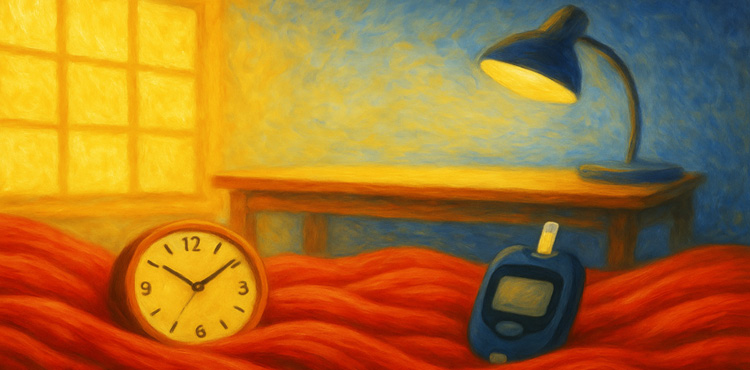
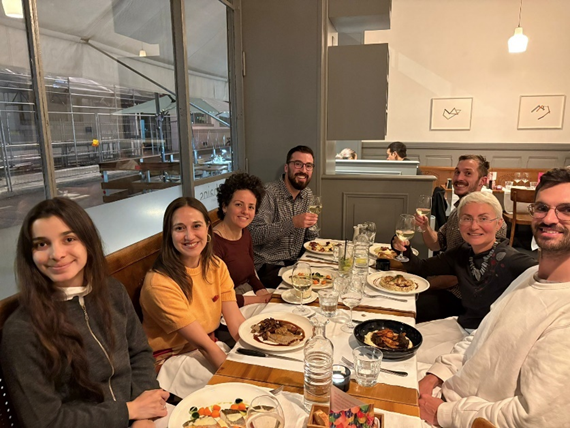
Our latest research made the cover of Cell Metabolism in collaboration with Pr. Joris Hoeks andd Pr. Patrick Schrauwen, revealing that natural daylight in office environments improves glycemic control and whole-body metabolism in patients with type 2 diabetes. Compared to artificial lighting, daylight exposure induces beneficial changes in blood multi-omics signatures and muscle molecular clocks. Get more info on UNIGE or read the open-access article. We celebrated our efforts with a group dinner!
(from left: Valeria Gonzalez, Georgia Katsioudi, Cecilia Jimenez-Sanchez, Andrew Biancolin, Dylan Gendre, Charna Dibner, Nicholas Philipps)
- Pr. Francis Lévi visited our lab and gave a talk on the 13th of January. He is a pioneer in the chronotherapy field and co-founder Circamed Fundation.
NOVEMBER 2025
-
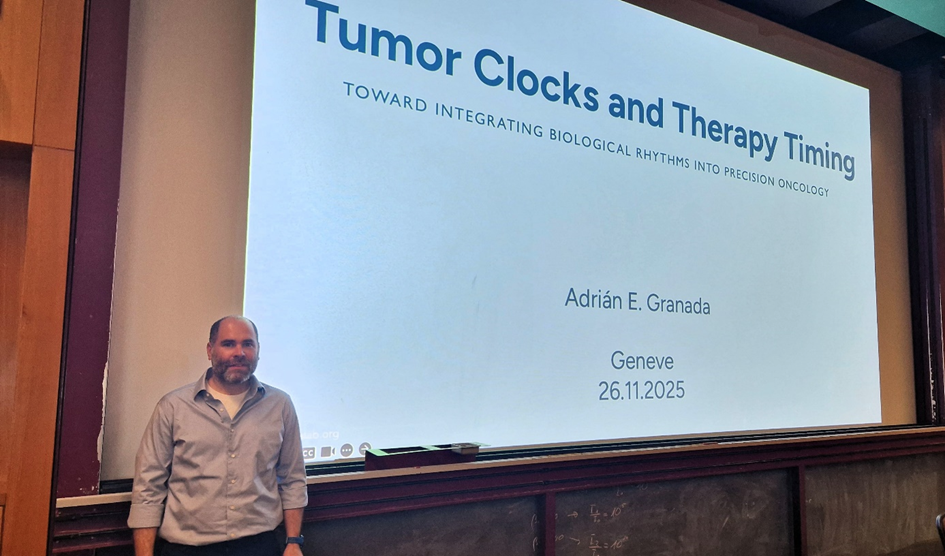
Pr. Adrián E. Granada (Charité Universitätsmedizin Berlin) was invited by our group to give a talk at the weekly seminar of PHYM Department on “Tumor Clocks and Therapy Timing”, on November 26th. As shiftwork has been associated with increased risk of developing cancer, the Granada Lab explores how circadian clock’s strength, growth dynamics, and drug response vary throughout the day to optimize treatment timing. We enjoyed very much the seminar and stimulating discussions with Pr. Granada.
-
As every year, our lab took part with the day and night rhythms stand in the 22ᵉ Journée Portes Ouvertes du Diabète of the Faculty of Medicine during the World Diabetes Week. Dre. Georgia Katsioudi presented our research to an audience. It is crucial for us to stay connected and to share the purpose and outcomes of our work with young people, curious minds, and patients. And she did it all in French!
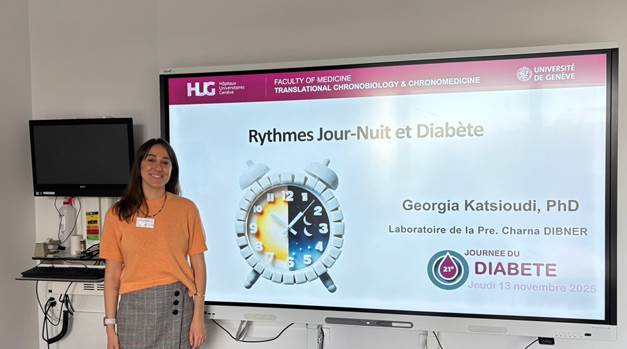
-
On Tuesday 13th, Pre. Dibner chaired a symposium on «Beta cell function and type 1 diabetes pathogenesis» with the keynote speaker Pr. Romano Regazzi, (Professor Emeritus, University of Lausanne) during the Annual Meeting of the SSED in Lucerne.
-
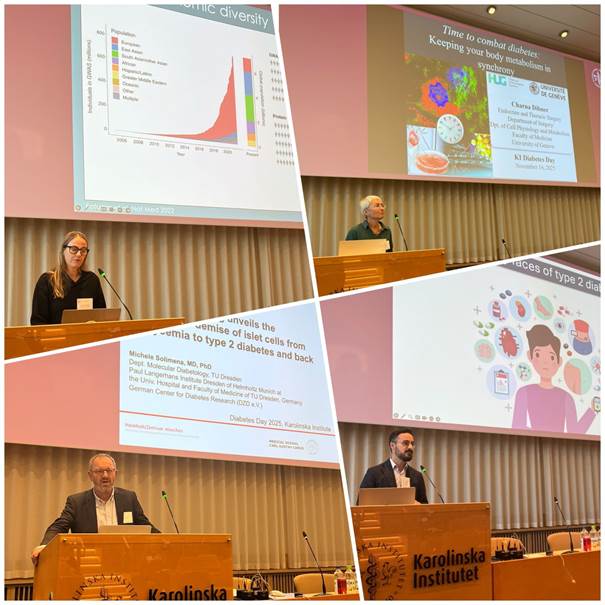
(Photo by Pre. Anna Krook)
OCTOBER 2025
-
We welcome our newest member, Valeria Gonzalez, who joins us from ETH Zurich. She will be working on her master’s thesis “Investigating the effects of clock-modulating molecules on the molecular oscillators of pancreatic islet cells”.
SEPTEMBER 2025
-
On Tuesday, 2nd September, Pre. Charna Dibner together with Pr. Christoph Scheiermann and Pre. Emi Nagoshi organized a chronobiology conference with Pr. Masao Doi, Kyoto University, as the keynote speaker, who’s working on drug discovery for time medicine.
-
Charna Dibner attended the 14th Swiss Chronobiology Symposium, held in Fribourg on September 4th. Chaired by Pr. Urs Albrecht, the event brings together researchers working on biological rhythms from Switzerland and abroad.
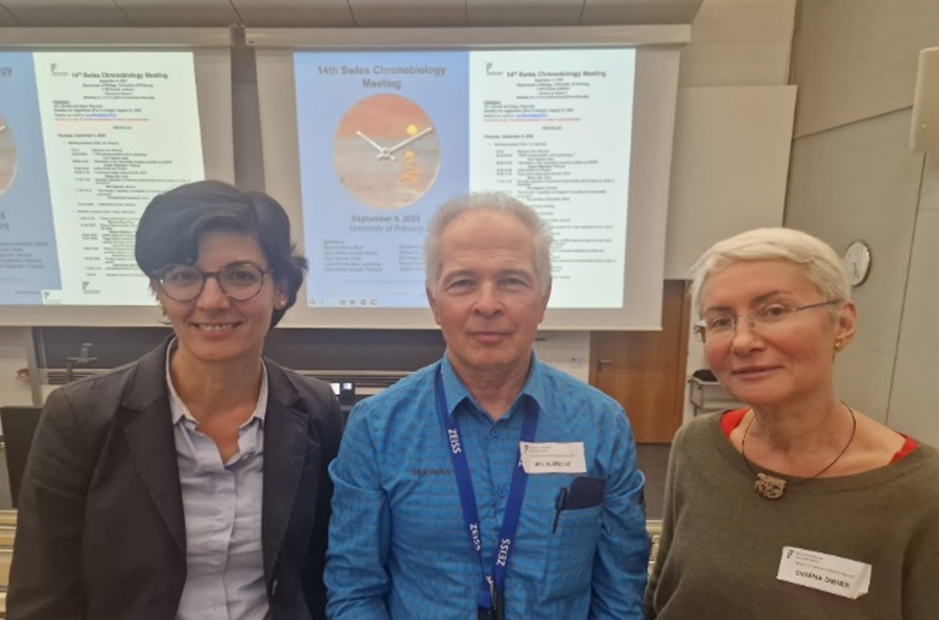 (from left to right: Pre. Dre. Berna Özdemir (Inselspital, Bern), Pr. Urs Albrecht (University of Fribourg), Pre. Charna Dibner)
-
Pre. Charna Dibner and Dre. Georgia Katsioudi attended the International Union of Physiological Sciences (IUPS) 2025 Congress, held in Frankfurt, Germany (https://www.dpg-congress.de/2025/). The event brought together leading scientists across all areas of physiology. Georgia gave a well-received talk, sharing the stage with distinguished researchers including Pre. Juleen R. Zierath (Karolinska Insitutet, Sweden) and Pr. Joseph Bass (Northwestern University, Chicago, US) brought together for a Body Rhythms and Metabolic Aging session chaired by Pre. Dibner and Pr. Karl-Heinz Herzig for the Scandinavian Physiology Society.
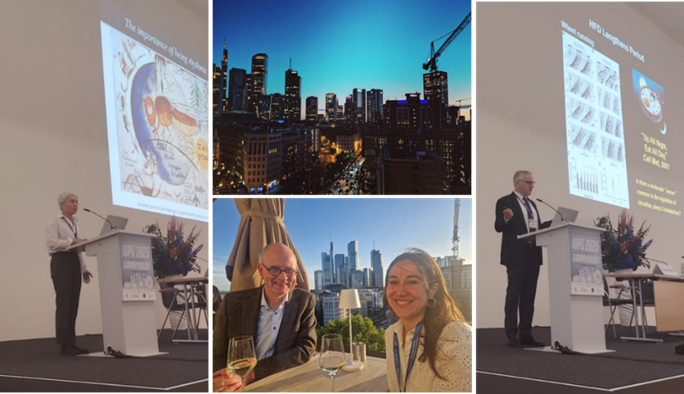 (from left to right: Pre. Charna Dibner, Pr. Karl-Heinz Herzig, Dre. Georgia Katsioudi, Pr. Joseph Bass)
AUGUST 2025
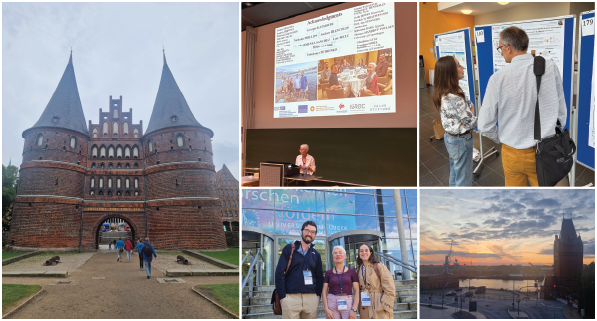
- The Dibner lab attended EBRS in lovely Lubeck, with Georgia and Andrew presenting posters and Charna delivering a talk titled : "Defining the islet cell-specific binding landscape of core-clock protein Bmal1"
- This conference was a great opportunity to share our work and connect with the chronobiology community.
JUNE 2025
- Pre. Charna Dibner and PhD candidate Loïc Metz attended the European Islet Study Group (EISG) 2025 meeting in Malmö, Sweden. It was an exciting and enriching event filled with cutting-edge science and inspiring discussions in the field of islet biology and physiology. Loïc presented his poster on circadian perturbations in the proinflammatory cytokine landscape in Type 2 Diabetes—a significant milestone as his first scientific conference! The meeting was also a wonderful opportunity to reconnect with colleagues, including co-supervisor Prof. Thomas Mandrup-Poulsen (pictured below).

MAY 2025
- The third international research workshop on circadian medicine, supported by Circamed and held at the University of Chicago’s Paris hub, brought together 75 experts from 20 countries to discuss the latest advances in circadian-based treatments, particularly for cancer. Professor Dibner made presented her pioneering research on circadian biomarkers and their clinical applications, as well as leading discussions on integrating AI and wearable technologies for personalized chronotherapy. Her insights helped shape the workshop’s focus on translating circadian science into practical, patient-centered medical innovations and fostering international collaboration in this rapidly evolving field

- We would also like to highlight a recent editorial by Pr. Collet and Pre. Dibner, that highlights research by Chen et al. showing that the timing of food intake can enhance exercise performance in mice by modulating AMPK α2 signaling in adipose tissue. This discovery supports the growing field of chronomedicine and suggests that timing interventions, such as using AMPK activators like metformin, could optimize exercise and metabolic health

- Pr. Dibner also recently attended the SSP/SSTS-SSSSC Joint Annual Meeting in Geneva from 15–16 May, where experts from the Sleep Medicine and Chronobiology fields discuss their latest findings.
- We are also very excited to announce that Dr. Georgia Katsioudi received a travel grant from the European Biological Rhythms Society (EBRS) to present her latest CUTnRUN findings at this year’s meeting in Lübeck.
APRIL 2025
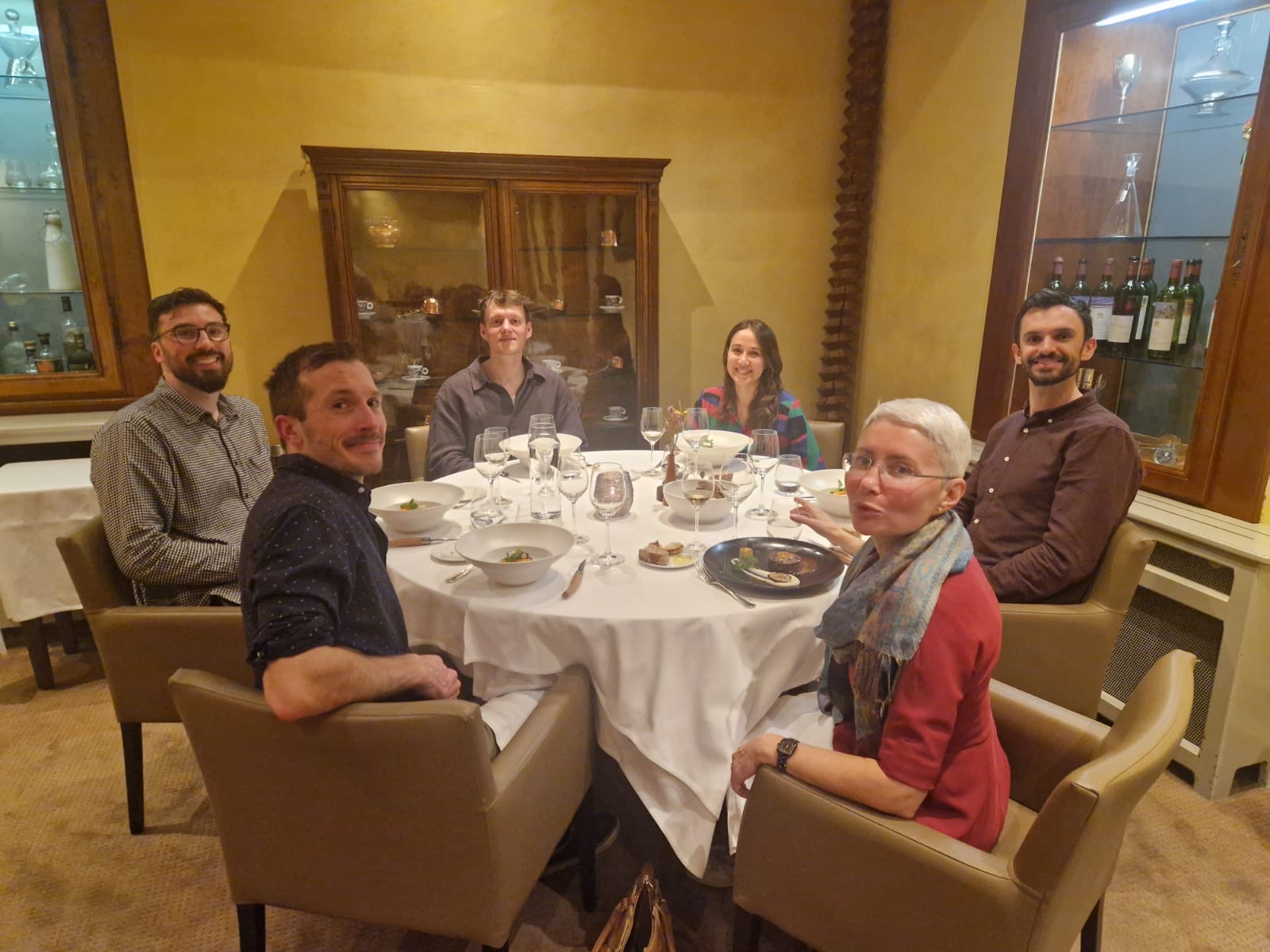
- The Dibner lab enjoyed a great dinner outing at La Ferme de l’Hôpital — good food and plenty of discussion about science and beyond
- We are very excited to announce the publication of our collaboration with the Mandrup-poulsen group, published in iScience. This study shows that circadian synchronization has opposite effects on cytokine-induced cell death and clock gene expression in INS-1 cells versus mouse islets, largely depending on NF-κB signaling.

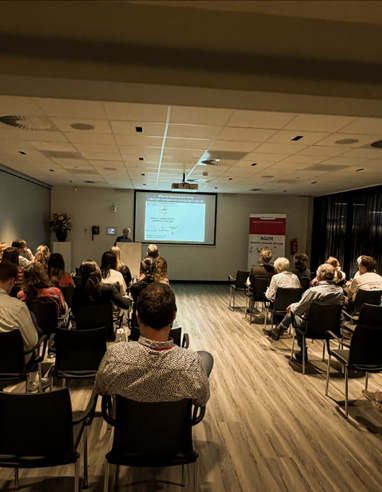
- Pr. Dibner visited Amsterdam UMC – AGEM to give the Tager Lecture, discussing how modern lifestyle habits such as late-night eating disrupt and artificial light can perturb our internal clocks, increasing the risk of metabolic diseases like type 2 diabetes
MARCH 2025
The Dibner lab is proud to share a new review coauthored by Pre. Charna Dibner, published in Nature Metabolism. This comprehensive review highlights important aspecs of circadian biology.
-
Metabolic processes, gene expression, and physiological behaviors follow daily (~24-hour) circadian rhythms, causing significant variation depending on the time of day.
-
Ignoring circadian timing can lead to misinterpretation of data, reduced reproducibility across labs, and difficulties translating preclinical findings from rodents to humans.
-
Researchers should carefully consider biological, environmental, and experimental factors influencing circadian rhythms and adopt best practices for designing, analyzing, and reporting metabolic experiments.

FEBRUARY 2025
Professor Charna Dibner recently attended the 13th International Singapore Lipid Symposium (iSLS13) in collaboration with the Association for Mass Spectrometry & Advances in the Clinical Lab (MSACL). The symposium, held in Singapore, brought together experts from around the globe to discuss cutting-edge lipidomics research and mass spectrometry applications in clinical diagnostics. Professor Dibner's participation highlights our labs ongoing commitment to advancing biomarker discovery and international collaborations in the worlds of metabolomics and lipidomics.

JANUARY 2025
We are proud to announce that Professor Charna Dibner has been recognized in the prestigious Stanford/Elsevier ranking, placing her among the top 2% of researchers worldwide in terms of lead publications. This ranking highlights the most influential scientists across all medical specialties based on citation impact, number of publications, and co-authorship metrics. The annual list, compiled using the Scopus database, celebrates the top 2% of researchers globally, with over 90 HUG scientists included this year — a testament to the hospital's vibrant research community. Professor Dibner’s inclusion among this elite group underscores her exceptional contributions to the field of chronobiology and metabolism.
We were pleased to attend two wonderful presentations at the Diabetes Centre in January.
On Tuesday, 21 January 2025, Prof. Giovanni D’Angelo from the Laboratory of Lipid Cell Biology, EPFL, Lausanne, visited us as part of the PHYM seminars. Invited by Prof. Charna Dibner, Prof. D’Angelo delivered a fascinating talk titled The Lipotype Hypothesis. His laboratory focuses on understanding the role of membrane lipids in establishing cell identity and development, using advanced lipidomics, lipid imaging, and biochemical and cell biology techniques.
On Thursday, 30 January 2025, Dr. Sara White from King’s College London gave an insightful talk on Gestational Diabetes: From Clinical Care to Research Discovery and Back. Dr. White is a Clinical Senior Lecturer in Women’s Health and Diabetes at King’s College London and an Honorary Consultant in Metabolic Medicine at Guys and St Thomas' NHS Foundation Trust in London.
DECEMBER 2024
Pr. Charna Dibner shared her research at the 31st Annual Meeting of the Japanese Society for Chronobiology, held in Toyama, Japan. This meeting brought together over 300 participants to share knowledge and foster connections through the theme "Molecular Basis of Rhythms from Plants to Primates."

Georgia visited Copenhagen to present her work at the Metabolism in Action conference. This week long conference was organized by Novonordisk Foundation.

The Dibner lab Christmas party had many moments of surprise, celebrating with secret santa and homemade breakfast!

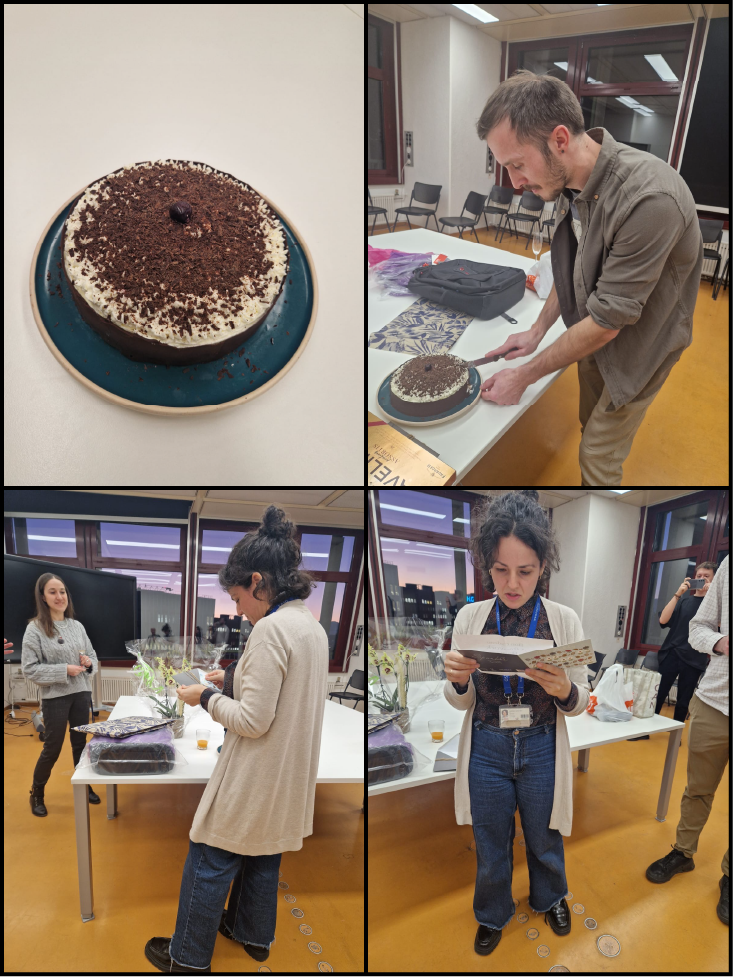
We also celebrated the departure of our labmate Cecilia, with a homemade blackforest cake! Cecilia was an integral part of the Dibner lab's scientific discussions and positive engery!
NOVEMBER 2024
We are very excited to highlight our latest publication, The metabolic and circadian signatures of gestational diabetes in the postpartum period characterised using multiple wearable devices in Diabetologia. This collaborative work between the DIbner, Puder and Collet groups, used high-resolution wearable device data to reveal postpartum differences in glucose variability and circadian rhythms in women with prior gestational diabetes, highlighting potential targets for interventions to reduce long-term cardiometabolic risk.

The Dibner lab participated in Journée Portes ouvertes Diabète (JPOD), with Loic and Cecilia presenting our latest findings to a lay audience. This was a unique opportunity for the general public and schools to meet researchers and clinicians, understand lifestyle habits and biological mechanisms favoring diabetes, the tools to fight it, and discover the latest research on this disease.

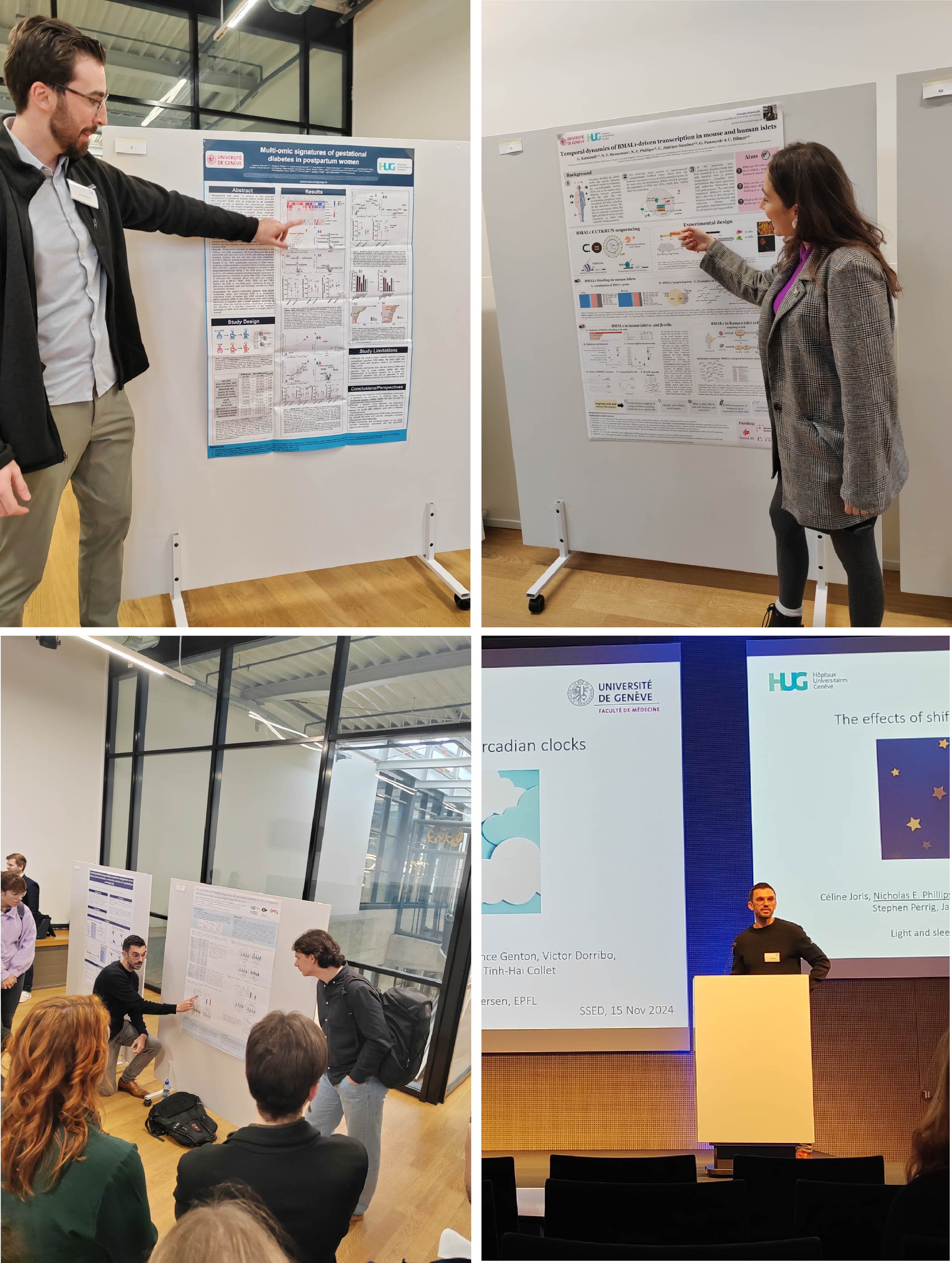
The Dibner lab also attended the Société Suisse d'Endocrinologie et de Diabétologie (SSED) conference in Bern, where Andrew, Georgia and Nick shared the labs latest findings with other National researchers and clinicians.
OCTOBER 2024
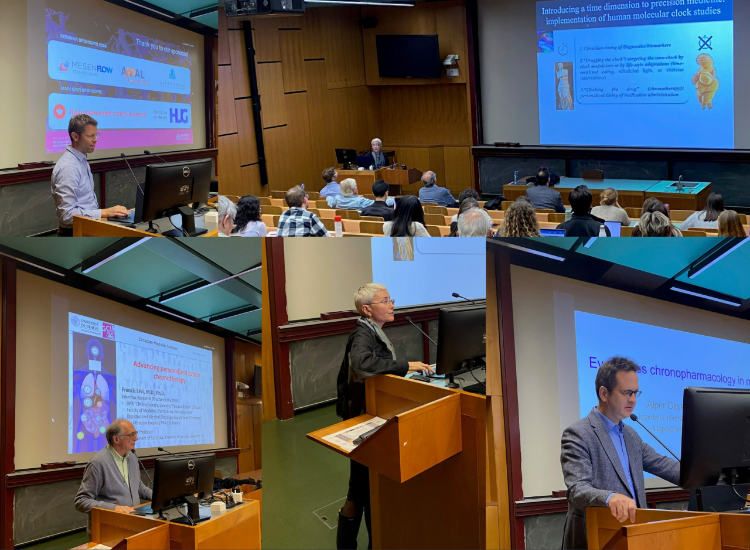
October 11th, 2024, we attended the GCIR Seminar on Circadian Medicine, where Charna Dibner and other esteemed speakers shared their latest research on why timing is so important in treatment.
- The Dibner Lab welcomes our newest member, Loic Metz, who joins us from University of Strasbourg as our new PhD student
- We are thrilled to highlight our new publication in iScience led by Dr. Flore Sinturel titled "Alterations of lipid homeostasis in morbid obese patients are partly reversed by bariatric surgery," revealing tissue-specific lipidomic changes, including reduced ceramide levels, following gastric bypass surgery.
- It is with mixed feelings that we are sharing two publications that appeared in a special chapter in EJN that is dedicated to the memory and scientific legacy of our late colleague and friend Steven A. Brown
- An article titled "Multi-omics correlates of insulin resistance and circadian parameters mapped directly from human serum," uncovering a link between insulin resistance, circadian rhythm alterations, and genetic factors using multi-omics and serum-modifying cellular assays.
- A review titled "Human primary cells can tell body time: Dedicated to Steven A. Brown",, which reviews advances in human chronobiology, highlighting the use of primary human cells in vitro, pioneered by Steven A. Brown, as a reliable and minimally invasive method for studying circadian rhythms and inter-individual differences in internal clocks.
SEPTEMBER 2024 - EASD in Madrid
The Dibner lab visited beautiful Madrid for EASD, where Cecilia and Andrew shared their lastest findings in short oral discussions. The conference was filled with groundbreaking science, but also extra curricular activities including a world-famous Sara Baras flamenco show!

March 2024 - EASD IGIs conference in Munich
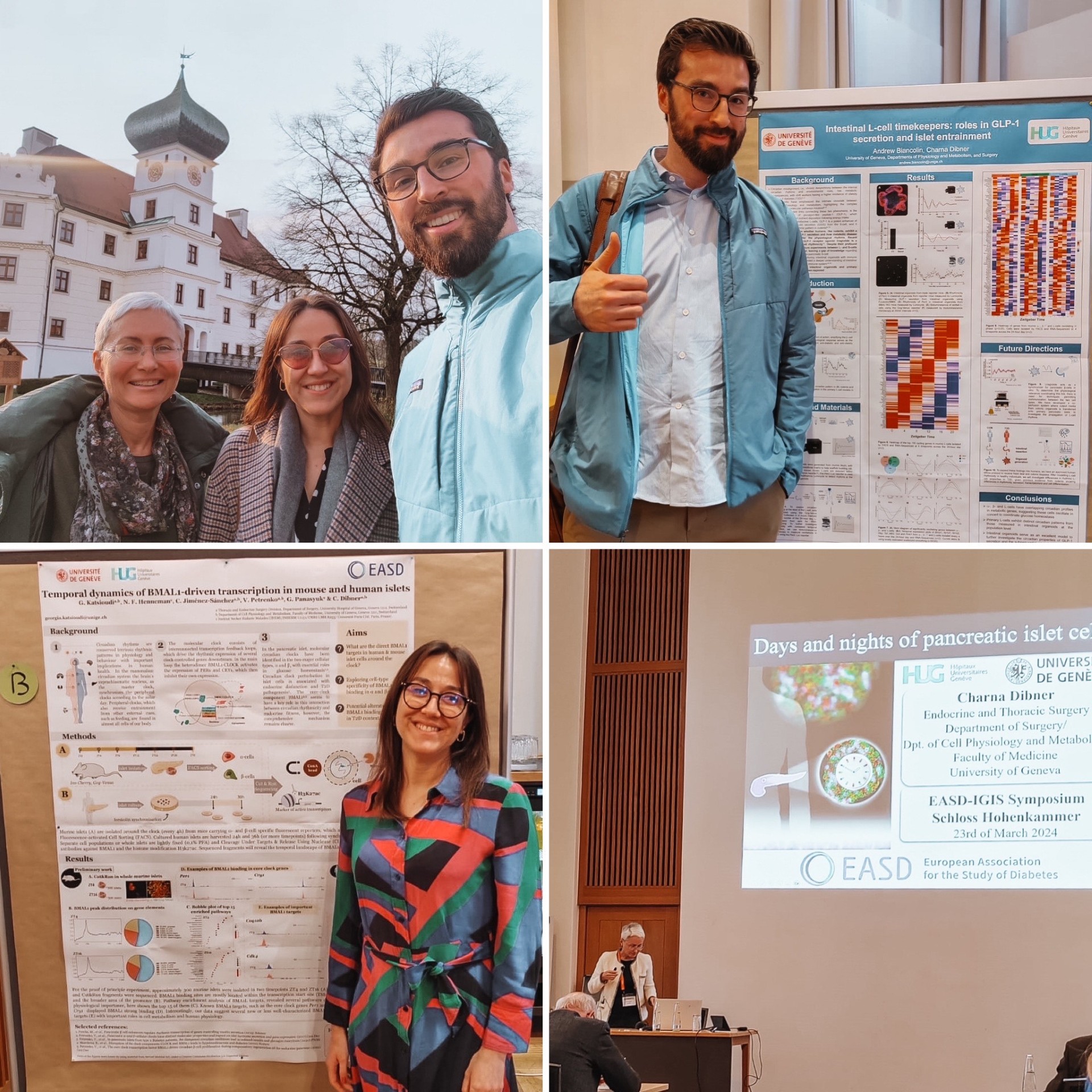
Pr. Charna Dibner shared her research at the esteemed Pancreatic islet cells in inter-organ communication conference hosted by EASD. These 3 days at Schloss Hohenkammer stimulated excellent scientific discussion and collaboration. Her young investigators, Dr. Georgia Katsioudi and Dr. Andrew Biancolin, presented their latest work in posters, which were attended by field leading experts in islet biology. Looking forward to our next EASD in September!
FEBRUARY 2024 - An award for excellence in teaching
On Thursday 25 January 2024, the Association des Étudiant-es en Médecine de Genève (AEMG, Geneva Medical Students' Association) awarded prizes to members of the Department of cell physiology and metabolism for the excellence of their teaching.
The prize for the best bachelor's examination in human medicine went to Dr Thierry Brun from the Department of cell physiology and metabolism, to Pre Charna Dibner from the Department of surgery and to Dre Ilse Kern from the Department of Children and Adolescents , HUG. However, it also goes to all those involved in the Nutrition, Digestion and Metabolism Unit, a crucial unit that enables second-year bachelor students to acquire essential knowledge about the digestive system, nutritional balance and metabolism.
NOVEMBER 2023 - Diabetes and Obesity Open Day at UNIGE
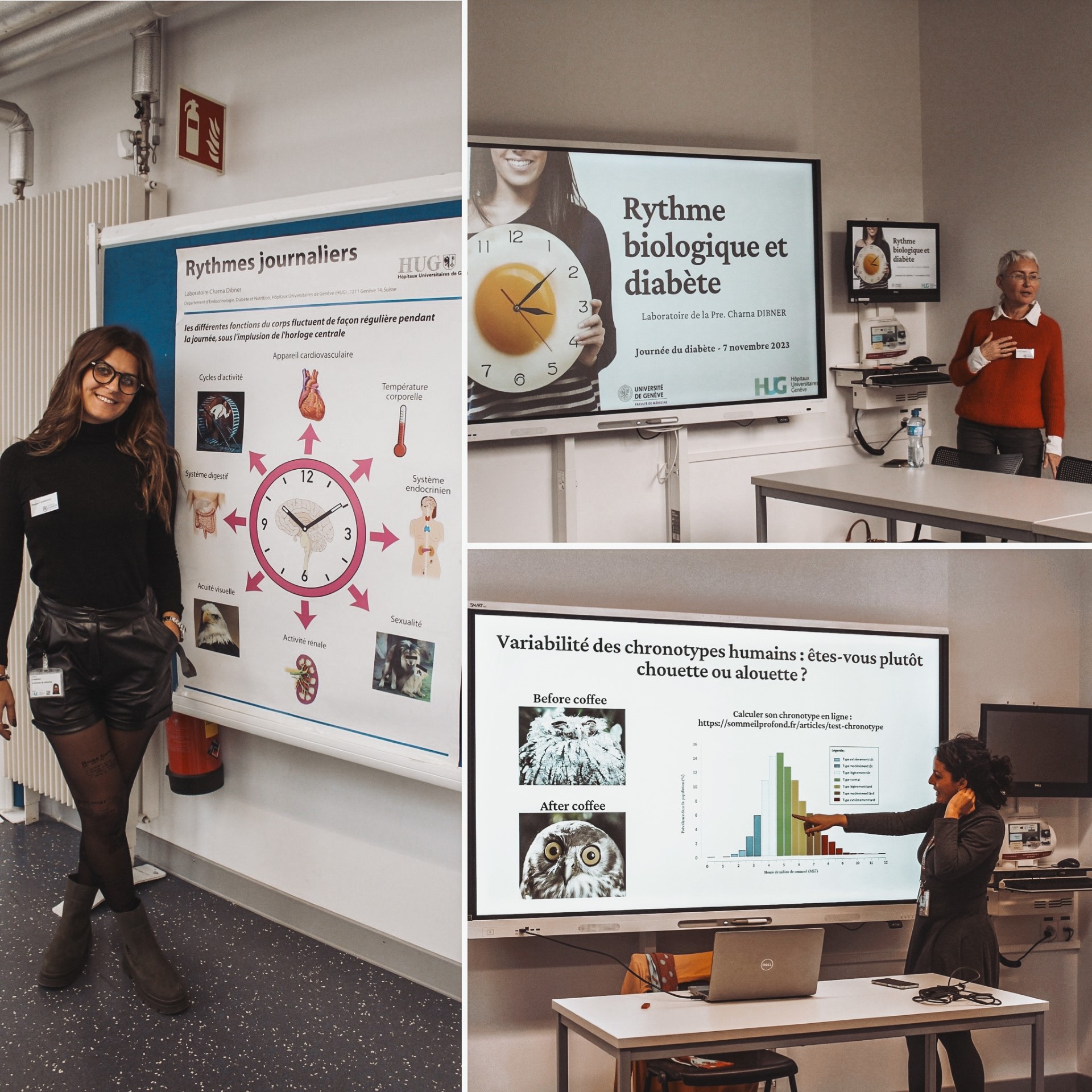
Scientific presentations open to the public were given throughout Tuesday, November 7 by the different teams of the PHYM department, in order to introduce the world of Research around these pathologies.
We were pleased to present to you the theme of our laboratory "Biological rhythm and diabetes" and we hope to see many of you again next year!
OCTOBER 2023 - Distinction of Pre DIBNER's team by ISREC
The ISREC Cancer Research Foundation awards more than 3 million francs each year as part of its TANDEM collaborative funding program. This year, out of 6 award-winning research teams, 3 are carrying out their work within UNIGE and HUG.
Charna Dibner (UNIGE), in collaboration with Alfredo Addeo and Wolfram Karenovics (HUG) will study the influence of human circadian rhythms on lung cancer.
SEPTEMBER 2023 - Appointment of Pre DIBNER as a new member of the DLA (Daylight Academy)
The DLA specializes in the fields of medical anthropology, sleep sciences, scientific communication, molecular biology, plant physiology and chronobiology. Its members, who come from all over the world and span all disciplines, conduct research related to “Daylight”. This constitutes active participation and contribution to the Annual Conference, General Assembly and other academy activities.
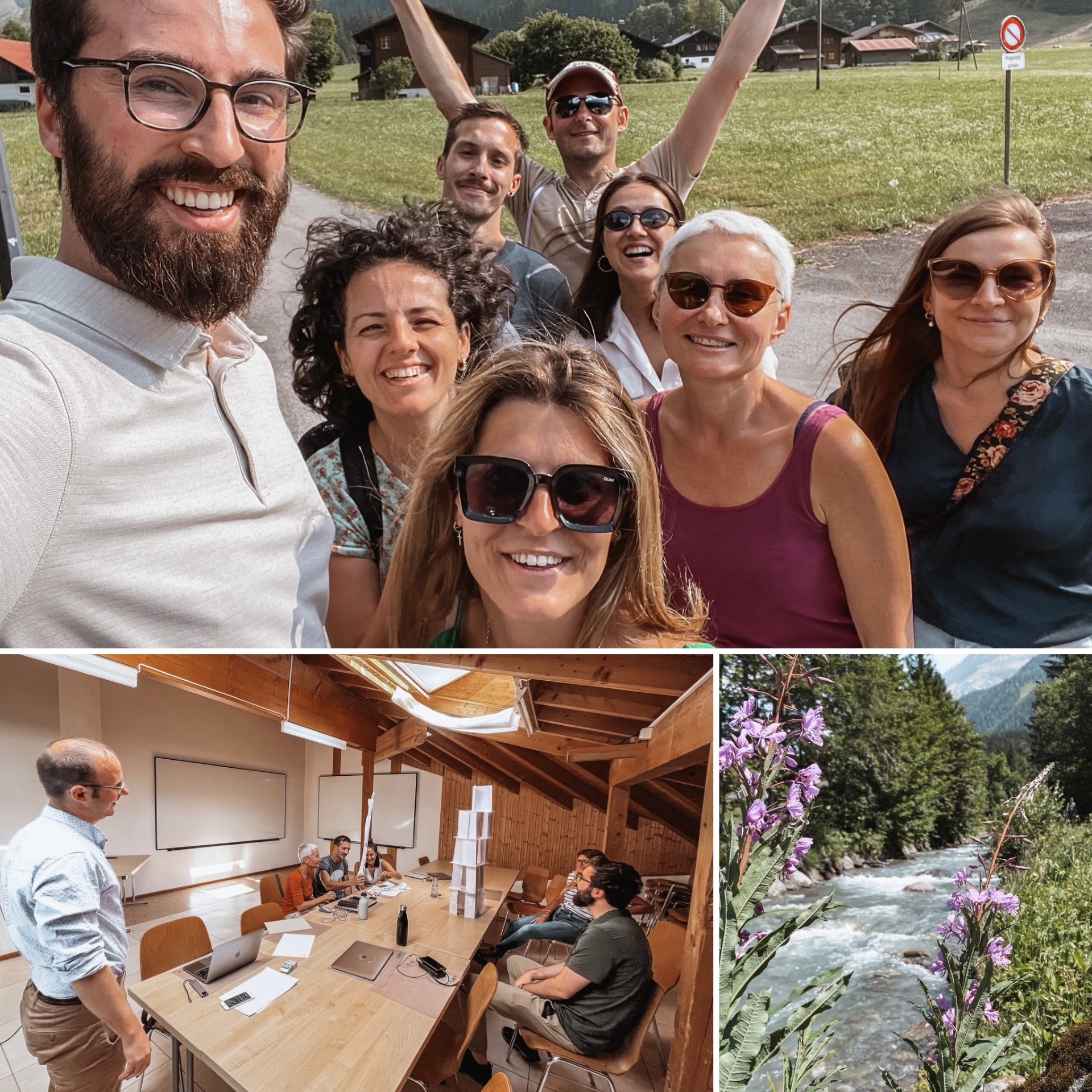
JULY 2023 - Lab Retreat to Les Diablerets: Engaging scientific discussions and fresh air!