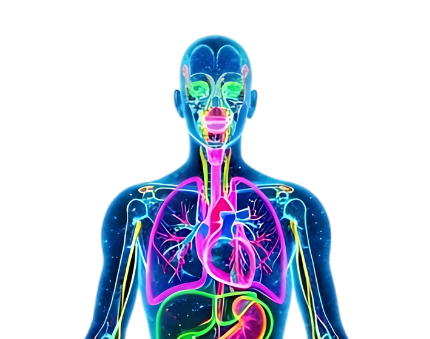
Diabetes Complications
Diabetes is a chronic condition that affects how the body regulates blood sugar (glucose). There are two main types: type 1 diabetes, which typically begins in childhood and requires lifelong insulin therapy, and type 2 diabetes, which is more common in adults and often linked to lifestyle and metabolic factors. Both types can lead to serious complications over time if not properly managed.
In this section, we explain the main complications that people living with diabetes may experience, both in the short and long term, and how these risks can be reduced through effective treatment and care. At the Geneva Centre for Diabetes, several research groups are dedicated to studying these complications and developing strategies to improve outcomes and quality of life for individuals with diabetes.
Type 1 Diabetes (T1D)
Short-term (acute) complications:
- Diabetic ketoacidosis (DKA): If the body doesn’t get enough insulin, it starts breaking down fat, which creates harmful acids (ketones). This can lead to nausea, stomach pain, deep breathing, and even coma if not treated quickly.
- Hypoglycemia (low bloog glucose level): Taking too much insulin or skipping meals can cause blood sugar to drop too low. This can make someone feel dizzy, confused, shaky, or faint.
Long-term (chronic) complications:
- Diabetic retinopathy (eye damage): Damage to the eyes (retinopathy), which can lead to vision loss.
- Diabetic nephropathy (kidney disease): Diabetes can lead to impaired renal function, initially characterized by renal hyperfiltration, followed by a progressive decline in renal function to end-stage renal failure. Dialysis or transplantation then becomes necessary for patients.
- Nerve damage: Especially in the hands and feet, causing pain or loss of feeling.
- Cardiovascular diseases (heart disease and stroke): The risk of heart attack and stroke increases over time.
Musculoskeletal Disorders in T1D:
- Bone fragility: Weaker bones and a higher risk of fractures, especially if diagnosed in childhood.
- Muscle weakness: Possible muscle weakness, especially with poor blood sugar control.
- Cognitive Impairment: Diabetes can cause cognitive decline, including memory loss, poor concentration, and slower thinking, especially with long-term poor blood sugar control.
- Anxiety and Depression Related to Diabetes: These mental health disorders are more common in affected individuals and can interfere with treatment adherence as well as overall well-being.
Type 2 Diabetes (T2D)
Short-term (acute) complications:
- Hyperosmolar Hyperglycemic State (HHS): Occurs mainly in older adults. It is characterised by severely high blood sugar level and severe dehydration, and mental confusion, without marked ketonuria. If not treated promptly, it can progress to coma.
- Hypoglycemia (low blood glucose level): Can happen when using medications like insulin or certain pills such as sulfonylurea, especially if meals are missed or activity levels change.
Long-term (chronic) complications:
- Diabetic retinopathy (eye damage): May be present at diagnosis in some patients, due to years of silent hyperglycemia. It can lead to vision loss if not monitored and treated.
- Diabetic nephropathy (kidney disease): Often diagnosed at an advanced stage. It is the leading cause of end-stage renal disease and may require dialysis or kidney transplantation, as in type 1 diabetes.
- Various neuropathies (nerve damage): Can affect peripheral nerves (hands and feet), the digestive system (gastroparesis), the bladder (urinary retention), or sexual function (erectile dysfunction).
- Cardiovascular diseases (heart disease and stroke): Very common in people with type 2 diabetes, due to associated metabolic conditions such as hypertension, dyslipidemia, and obesity.
Musculoskeletal Disorders in Type 2 Diabetes:
- Bone fragility: Bone may be weaker even if bone density looks normal, leading to fractures.
- Muscle weakness (sarcopenia): A progressive loss of muscle mass and strength is common, particularly in older adults, contributing to a loss of autonomy.
Cognitive Impairment:
Diabetes may lead to declines in mental functions such as memory, focus, and processing speed, particularly when blood sugar levels are poorly managed over time.
Anxiety and Depression in Diabetes:
These mental health disorders are more common in affected individuals and can hinder treatment adherence and overall well-being.
How to reduce the risk of complications (for both types)
Blood Glucose Control :Keep blood glucose levels as close as possible to target values.
Regular use of the prescribed anti-diabetic treatment.
Risk Factor Management: Regularly monitor blood pressure, cholesterol, and triglyceride levels.
Healthy Lifestyle: Maintain a balanced diet, engage in regular physical activity, avoid tobacco use and excessive alcohol consumption. Follow medical prescriptions carefully.
Regular Medical Monitoring:
- Regular eye examinations
- Screening for microalbuminuria and proteinuria
- Lipid profile assessment
- Foot examinations
DIABETES FACULTY CENTRE: RESEARCH GROUPS WORKING ON DIABETES COMPLICATIONS
15 Apr 2025
Home