MASLD/MASH and Insulin Resistance

Obesity is now recognised by the World Health Organisation (WHO) as a chronic, relapsing, and multifactorial disease. It results from a complex interplay of biological, behavioural, environmental, and social factors that lead to excessive accumulation of body fat, often to the detriment of health. While Body Mass Index (BMI)—calculated as weight in kilograms divided by height in metres squared (kg/m²)—remains a commonly used screening tool (with a BMI ≥ 30 kg/m² indicating obesity), it does not reflect the full complexity of the disease or its impact on metabolic health.
Obesity is not merely the result of poor lifestyle choices or a lack of willpower. It is a complex, chronic disease driven by neurohormonal dysregulation, metabolic disturbances, and chronic low-grade inflammation. Beyond excess body weight, obesity is associated with a broad range of complications, which can be grouped into several categories. Metabolic complications include insulin resistance, type 2 diabetes, and dyslipidaemia. Functional complications may involve reduced mobility, osteoarthritis, and conditions such as obstructive sleep apnoea. Psychological impacts are also common, including low self-esteem, depression, and social isolation, often exacerbated by stigma. In addition, obesity carries a significant economic burden, leading to increased healthcare costs, reduced work productivity, and financial strain for both individuals and society. Taken together, these complications illustrate that obesity is a multifaceted disease requiring comprehensive, long-term management strategies.
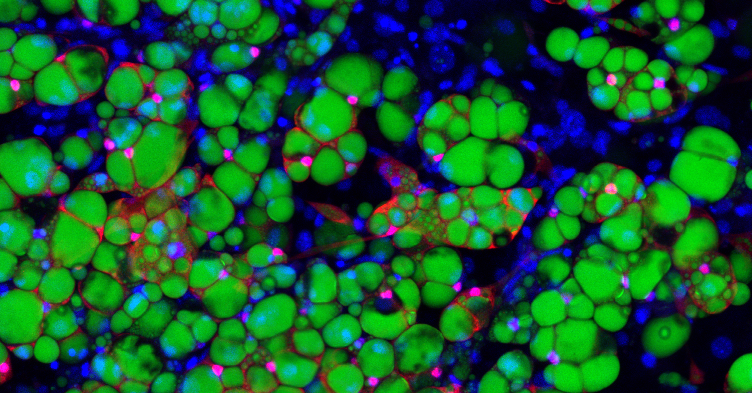
Metabolism refers to how the body converts food into energy. When energy intake consistently exceeds expenditure, the body stores the excess as fat. Adipose tissue (fat) is not merely a passive energy store—it functions as an active endocrine organ, releasing hormones (e.g. leptin, resistin) and pro-inflammatory cytokines (e.g. TNF-α, IL-6). As fat cells expand, particularly in visceral areas, they contribute to chronic systemic inflammation, a major driver of insulin resistance.
This inflammation disrupts the function of pancreatic β-cells, impairing their ability to produce and release insulin in response to rising glucose levels. The result is a progressive dysregulation of glucose and lipid metabolism, manifesting as hyperglycaemia, dyslipidaemia, hypertension, and ultimately metabolic syndrome—a major risk factor for type 2 diabetes and cardiovascular disease.
The cornerstone of obesity treatment is lifestyle management, which addresses not only what we eat (nutritional quality and quantity), but also how we eat (eating behaviours such as mindful eating, meal timing, and emotional eating), and how we move (physical activity adapted to individual capacity and preferences). Evidence shows that even a modest 5–10% reduction in body weight, achieved through these integrated lifestyle interventions, can significantly improve insulin sensitivity, blood pressure, lipid profiles, and overall metabolic health.
When lifestyle measures alone are insufficient, medical therapies may be indicated. These include anti-obesity medications, such as GLP-1 receptor agonists (e.g. semaglutide), which reduce appetite and promote weight loss through multiple mechanisms: slowing gastric emptying, acting on brain regions involved in appetite regulation and reward (including the hypothalamus and mesolimbic circuitry), and reducing food cravings and hedonic (pleasure-driven) eating.
In cases of severe or treatment-resistant obesity, bariatric (metabolic) surgery is an option. It can lead to significant and sustained weight loss, improved glucose regulation, and favourable hormonal changes (e.g. increased GLP-1 and PYY) that enhance satiety and reduce inflammation.
Emerging research in obesity treatment increasingly targets the body’s complex hormonal and metabolic networks. A major area of innovation involves entero-pancreatic hormones, including GLP-1, GIP, glucagon, and amylin, with new therapies using single, dual, or even triple agonists or antagonists to enhance satiety, increase energy expenditure, and improve metabolic outcomes. These agents aim to mimic or modulate natural hormone pathways involved in appetite regulation, glucose homeostasis, and fat metabolism.
Other promising areas of investigation include the gut microbiome, where shifts in microbial composition and function are being studied for their potential role in obesity pathogenesis and treatment responsiveness. Additional research is exploring the central nervous system’s regulation of hunger and reward, inflammatory pathways, and personalised medicine approaches, which seek to tailor therapies based on an individual's genetic, behavioural, and metabolic profile.
Given its chronic and relapsing nature, obesity requires long-term, structured management, much like other chronic diseases such as type 2 diabetes. In this context, Therapeutic Patient Education (TPE) plays a central role. TPE is a structured process designed to provide individuals with the knowledge, skills, and psychosocial support necessary to better understand their condition, make informed decisions, and adopt sustainable health behaviours in daily life. It empowers individuals to take an active role in their care, fostering greater autonomy and adherence.
TPE is most effective when delivered by qualified and specially trained healthcare professionals, including dietitians, nurses, psychologists, physicians, physiotherapists, and others, working collaboratively within multidisciplinary teams. This team-based approach ensures that the medical, nutritional, psychological, and behavioural dimensions of obesity are addressed in an integrated and person-centred way.
Numerous studies have shown that TPE is both clinically effective and cost-effective, leading to improved metabolic outcomes, enhanced quality of life, and reduced healthcare utilisation. By promoting patient-centred care, shared decision-making, and long-term self-management, TPE also helps to combat weight-related stigma by reframing the narrative from blame to empowerment.
At the Therapeutic Patient Education Unit, care is delivered through a comprehensive and person-centred approach, tailored to each individual’s needs, challenges, and goals, reflecting the complexity of obesity management.