
- Research
A new energy for the Diabetes Research Centre
To mark its 10th anniversary, the Diabetes Centre is entering a new phase. Its new strategy gives greater prominence to young researchers, encouraging collaboration, innovation and scientific excellence. Another key objective is to strengthen the partnership with patients and stimulate dialogue between the clinic and basic science laboratories.

© iStock
With almost 500 million sufferers worldwide - and more than 500,000 in Switzerland - diabetes remains a major public health problem. In Geneva, a dedicated centre has existed for 10 years, and was the first thematic research centre created by the Faculty of Medicine. "The Centre aims to speed up the translation of research from our laboratories into tangible results for patients, promote innovative therapies and boost international visibility", says Tim Frayling, full professor in the Faculty of Medicine's Department of Genetic Medicine and Development and the Centre's new academic coordinator. "In my view, a more inclusive approach to research is the key to scientific innovation. And to encourage a more horizontal approach that is closer to the realities of everyday life, we wanted to give a prominent place to young researchers.”
Early Career Researchers Committee, a tool to support the next generation of researchers
Headed by Karim Gariani, Staff Physician and Head of the Diabetes Unit at the HUG, and Eva Brú Tarí, Research and Teaching Fellow in the Department of Genetic Medicine and Development, the Early Career Researchers Committee offers emerging researchers a platform for influencing the Centre's scientific priorities, developing new ideas and building interdisciplinary projects. "One of our priorities will be to strengthen synergies between clinical doctors interested in research, and researchers in basic science, in order to encourage the creation and development of joint research projects of a translational nature", stresses Karim Gariani. "That's why we are going to organise joint seminars and training courses to cross-fertilise expertise and establish a truly interdisciplinary research culture." "The aim will also be to give basic scientists greater exposure to clinical work, by combining a clinical view and a basic view of the same subject", adds Eva Brú Tarí. However, the younger generation will be supported by an Advisory Board made up of senior professors and clinicians, to guarantee innovation and continuity.
Opening up research
The Centre's research areas are also very diverse. Through eight broad themes, all aspects of diabetes will be addressed, from the most fundamental to the most clinical issues. "We envisage a dialogue at all levels, where patients' problems will feed into research, and fundamental discoveries will strengthen therapeutic strategies", adds Tim Frayling. In the same vein, the voice of patients will be essential in defining research areas, identifying needs and developing concrete solutions. Opportunities for dialogue with people living with diabetes, notably through public seminars and dedicated activities, will ensure that research remains connected to the realities of the disease, while keeping the focus on scientific progress. These interactions will enrich our work, while giving researchers - especially those at the start of their careers - a clearer understanding of the societal and human implications of their scientific activity.
"We invite all members of the diabetes community in Geneva and the Lake Geneva region - patients, families, healthcare professionals, researchers - to join us in this development. Share your experiences, attend our events, contribute to our reflections: the opportunities for collaboration will be many and open!", stress Eva Brú Tarí and Karim Gariani.
The number of people living with diabetes is increasing every year. As a multi-factorial disease, it requires a pooling of expertise to understand all factors involved. By putting the new generation in charge while preserving the expertise of the older generation, the Diabetes Centre is building a dynamic and sustainable scientific ecosystem. It also embodies a collective ambition: not just a centre of scientific excellence, but also a model of participatory research, fully connected to the needs of patients and the challenges facing society today.
A step further
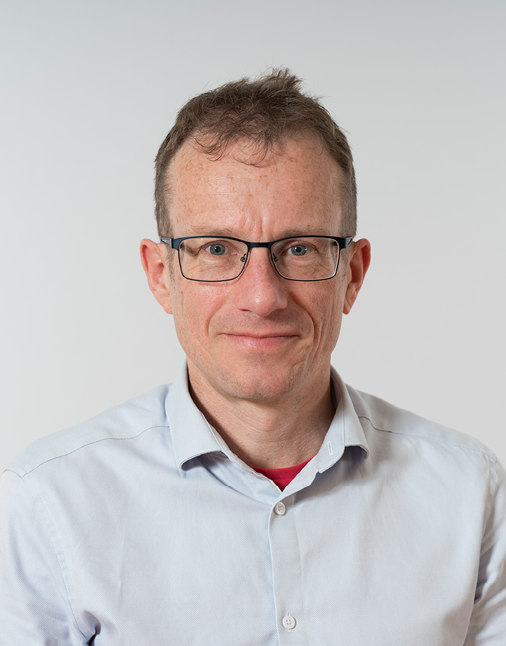
Tim FRAYLING
Full Professor
Departent of Genetic Medicine and Development
Academic Coordinator, Diabetes Centre

Karim GARIANI
Staff physician, Head of the Diabetes Unit at the HUG
Co-Chair, Diabetes Centre
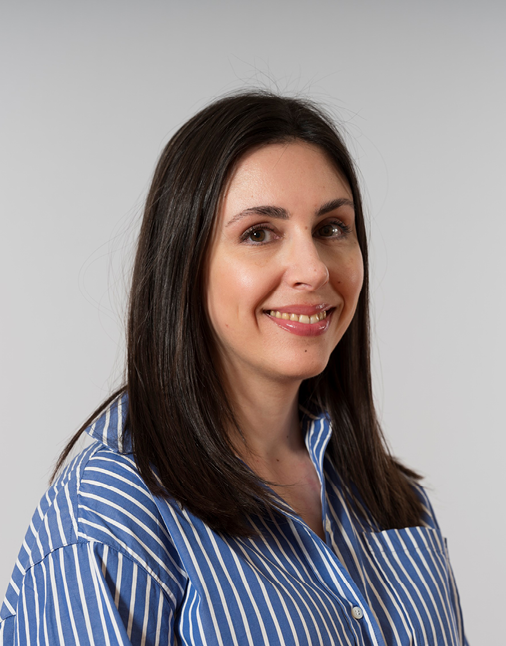
Eva BRÚ TARÍ
Research and Teaching Fellow
Department of Genetic Medicine and Development
Co-Chair, Diabetes Centre


