

De gauche à droite / from left to right : Özge Yuzgec, Flavia Ferraro, Pauline Darbellay Farhoumand
Pauline Darbellay Farhoumand, staff physician in the Division of General Internal Medicine at the HUG and lecturer in the Department of Medicine, Flavia Ferraro, clinical associate in neonatology at the HUG and Özge Yuzgec, research and teaching fellow in the Department of Baisc Neurosciences, are among the winners of the UNIGE Tremplin Grant.
The UNIGE Tremplin Grant aims to support female researchers at the UNIGE who wish to pursue an academic career by allowing them to free up time to expand their scientific portfolio, write articles, finalise or publish their thesis, or spend time abroad. The programme frees beneficiaries from some of their teaching, administrative or clinical duties for one semester. Mentoring is also provided.
Pauline Darbellay Farhoumand
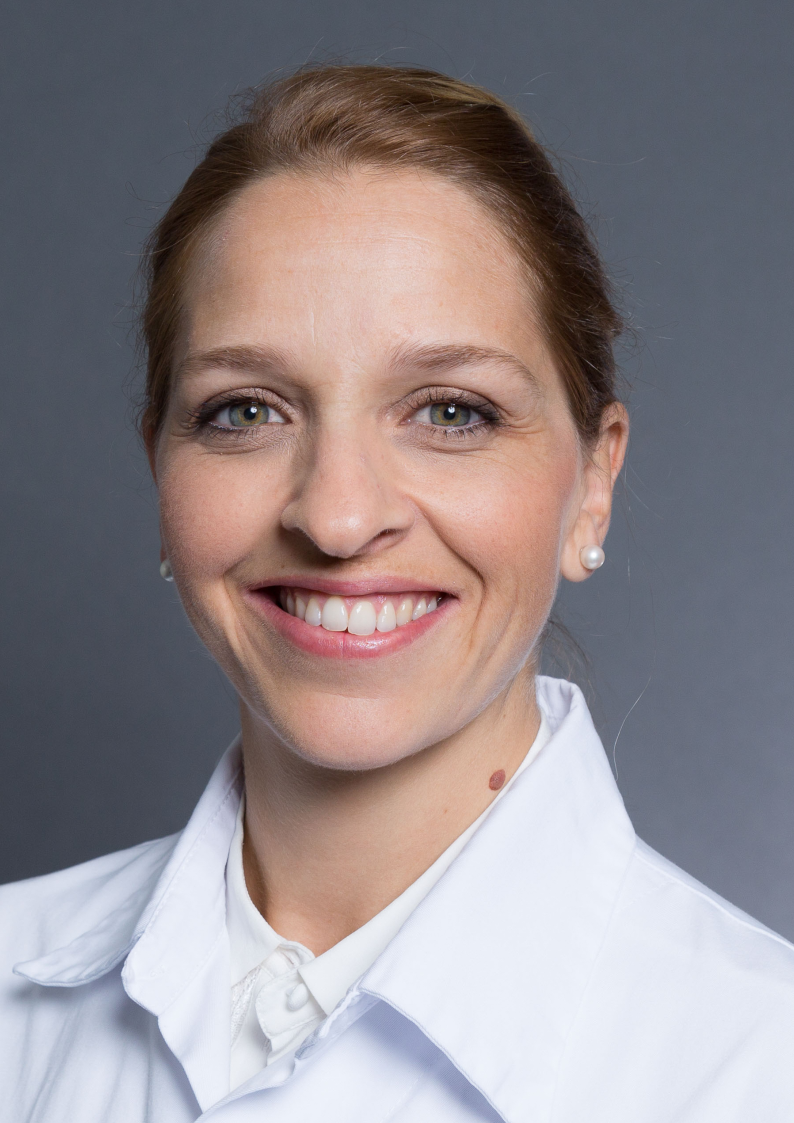
A specialist in general internal medicine, Pauline Darbellay Farhoumand has a particular interest in health systems science. Thanks to the Tremplin grant, she will be able to publish the results of her NIGHTSHIFT project, a study of medical night work in hospitals. The aim of the study is to understand clinical and organisational practices outside working hours, and to measure their impact on the quality of care and well-being of physicians.
Flavia Ferraro
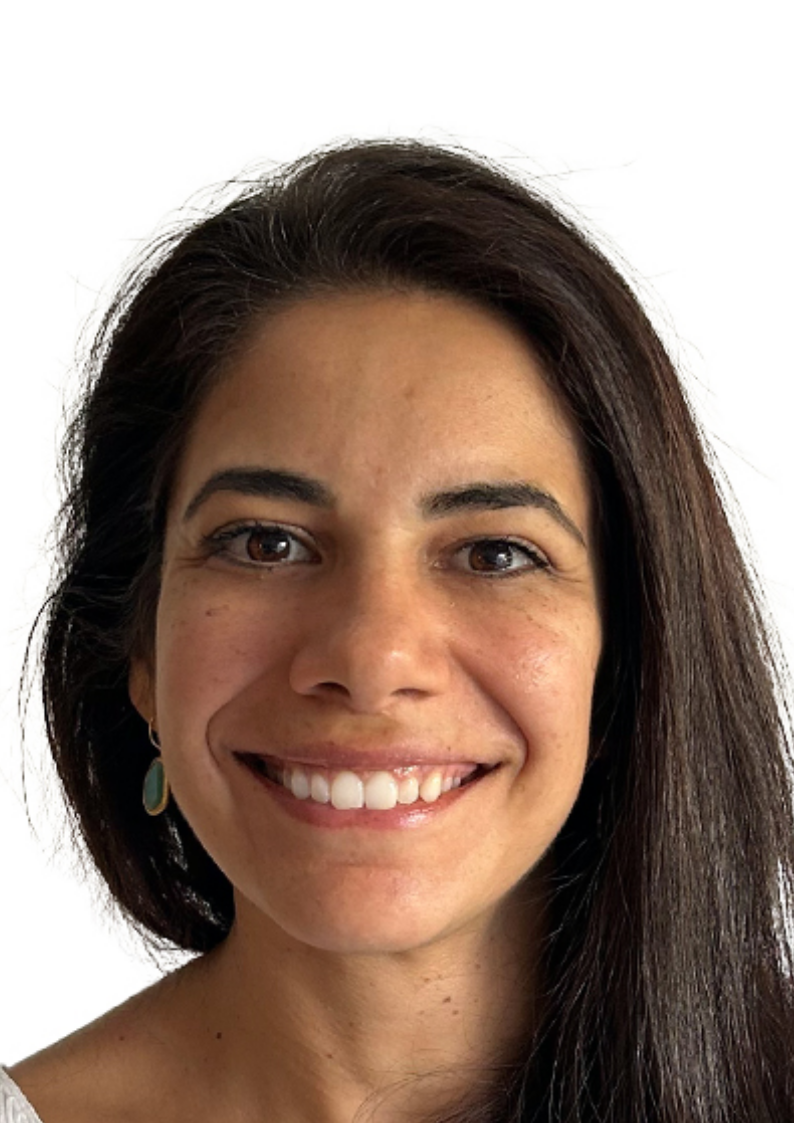
A paediatrician specialising in neonatology, Flavia Ferraro works on the development of the immune system in newborns, their response to infections and neonatal haematology. She is particularly interested in new biomarkers, derived from routine blood tests, which could improve the early detection of serious infections in newborns.
Özge Yuzgec
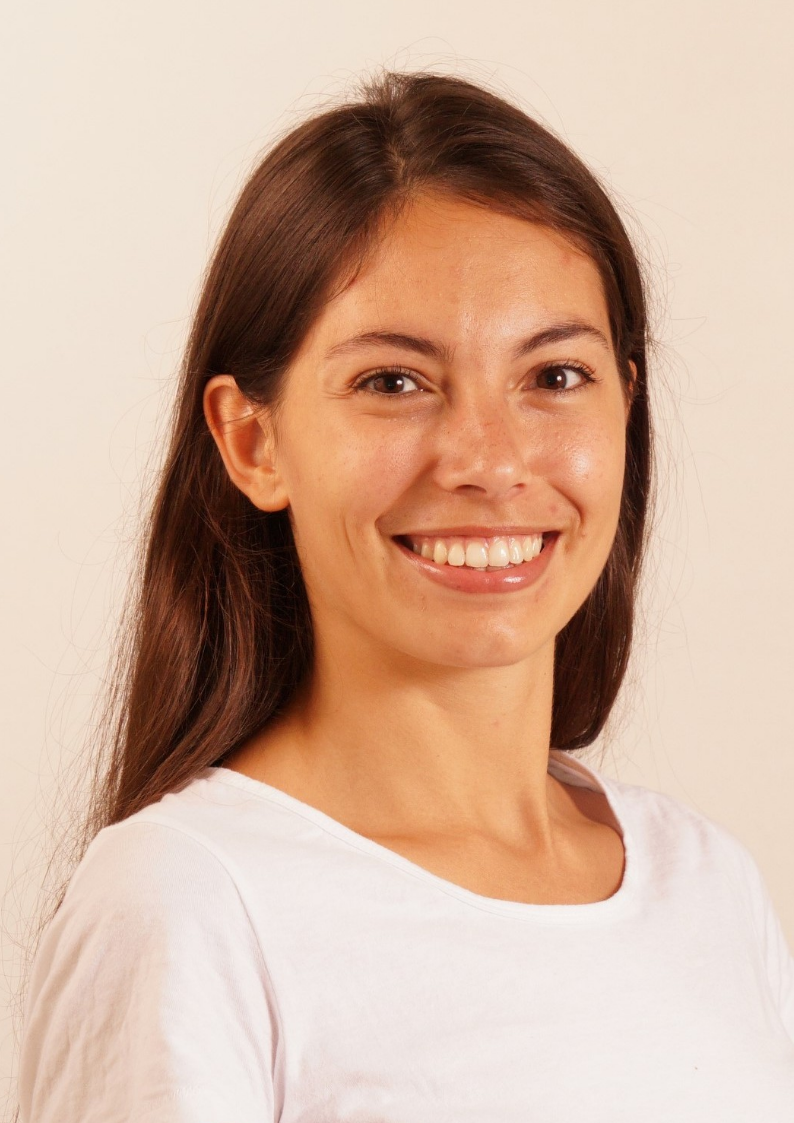
An industrial engineer and neuroscientist, Özge Yuzgec is working on pupil observation to detect brain states and the depth of sleep, a technology designed to monitor people undergoing anaesthesia. A member of Prof. Daniel Huber's laboratory at the Faculty of Medicine, this project is being carried out in collaboration with the HUG's Ophthalmology and Anaesthesiology Departments. The project began nine years ago, first with mice, then with healthy volunteers, and should in the near future be applied to patients.


