Health Systems Resilience in Times of Crises

Executive Short Course

The primary purpose of this intensive executive short course, based on Professor Blanchet's book Health System Resilience and Applied Systems Thinking for Health Systems Research, is to provide practical tools to understand how health systems function and how to assess the performance and resilience. 

The course will familiarise participants with a system thinking and complexity science approach to health system management in low- and middle-income countries affected by polycrises (e.g. climate change, financial crises, large-scale populations displacement, humanitarian emergencies). Learning is grounded in practical, interactive examples and case studies, and delivered by experts with extensive experience in low- and middle-income settings.

This course offers a unique focus on health system resilience in times of crises and is built on the latest available evidence.

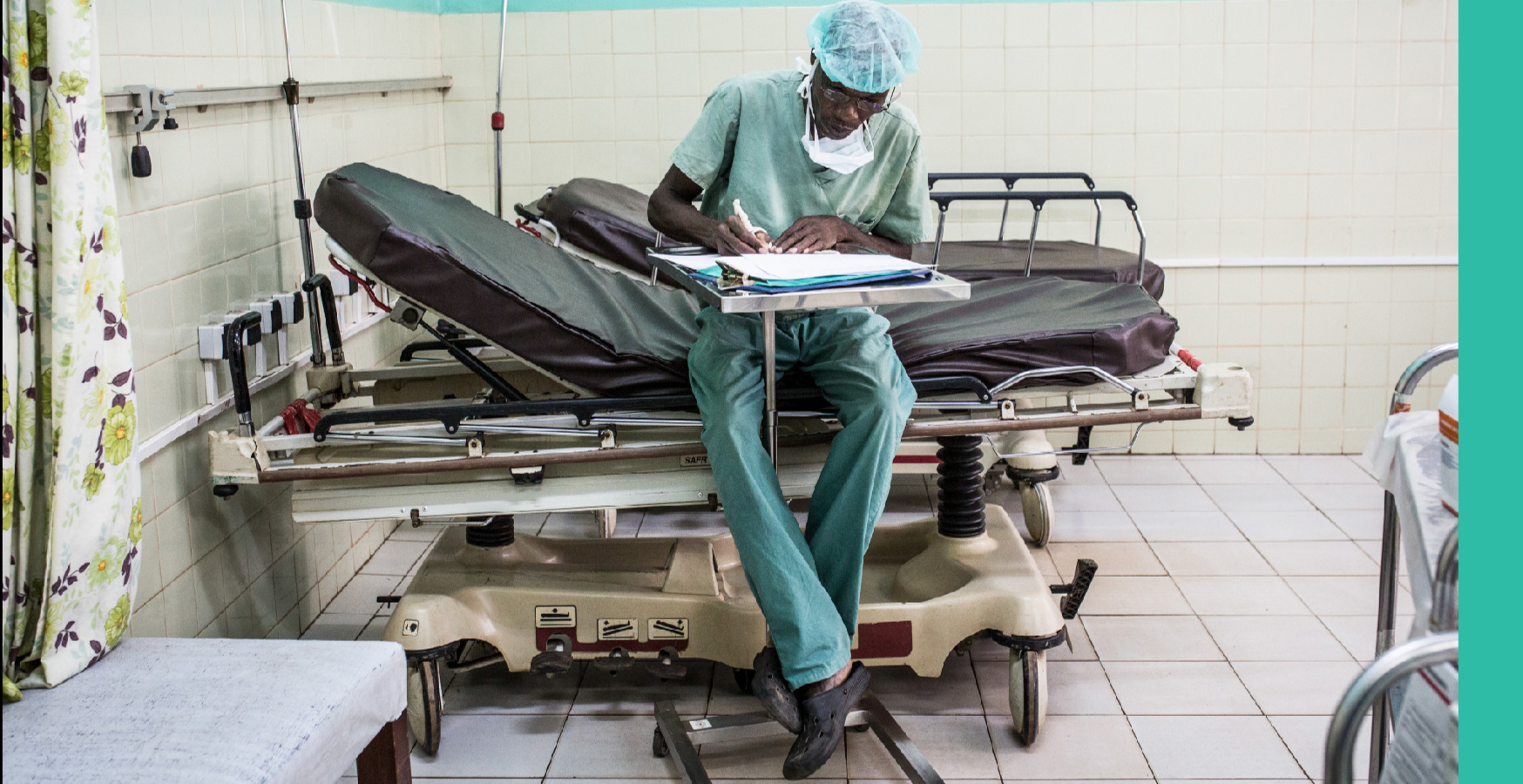
Central African Republic, Bangui. A doctor carrying out administrative tasks in a community hospital in a crisis-affected setting. © ICRC / Virginie Nguyen Hoang

At the end of the course, you will be able to:

  • Define concepts related to health systems and the six building blocks of the WHO framework
  • Apply the health system assessment guideline tool in order to translate a local situation analysis into concrete health interventions
  • Conduct systemic diagnoses of health systems in context of crises (climate-related, migration, health emergencies)
  • Evaluate the institutional and operational capacity and resilience in times of crisis
  • Conceive strategies of interventions that combine efficiency, sustainability and good governance

Around 50 hours of work overall, including:

  • Asynchronous self-study activities (such as case studies, videos, recorded slideshows, readings, etc.)
  • Synchronous live sessions
  • Days 1–2: Introduction to health systems, systems thinking, the role of governance, and the Health Systems Assessment (HSA) tool
  • Day 3: Health service delivery and quality; governance
  • Days 4–6: Health systems financing and health economics
  • Days 7–8: Health workforce, health technologies, and health information systems
  • Days 9–10: Application of the Health Systems Assessment using a real-life case study
  • Professionals in the humanitarian, development or social sector looking to develop their competencies in the health sector
  • Professionals from any other sectors (policy making, donor agency, government officials, health sector etc) who wish to increase their understanding of health systems in humanitarian contexts
  • Graduate students with relevant volunteer or intern experience, looking to undertake a postgraduate course with a view to entering the humanitarian sector

Interested in applying? Learn more about the admission requirements and application process here.