Patient Safety in Humanitarian Crises: Addressing Healthcare-Related Incidents

Executive Short Course

This course has been developed to support healthcare professionals operating in low and middle-income countries in managing healthcare incidents.

Despite the dedication and skills of healthcare professionals, incidents in the healthcare field remain unfortunately a reality. When things go wrong, it is important not to blame the individuals involved but to look deeper into the root causes of the incident and learn from a process/system perspective.

Participants will gain a solid understanding of the key concepts, strategies, and
tools necessary to reduce and prevent risks, mistakes, and harm to patients during healthcare delivery in humanitarian settings.

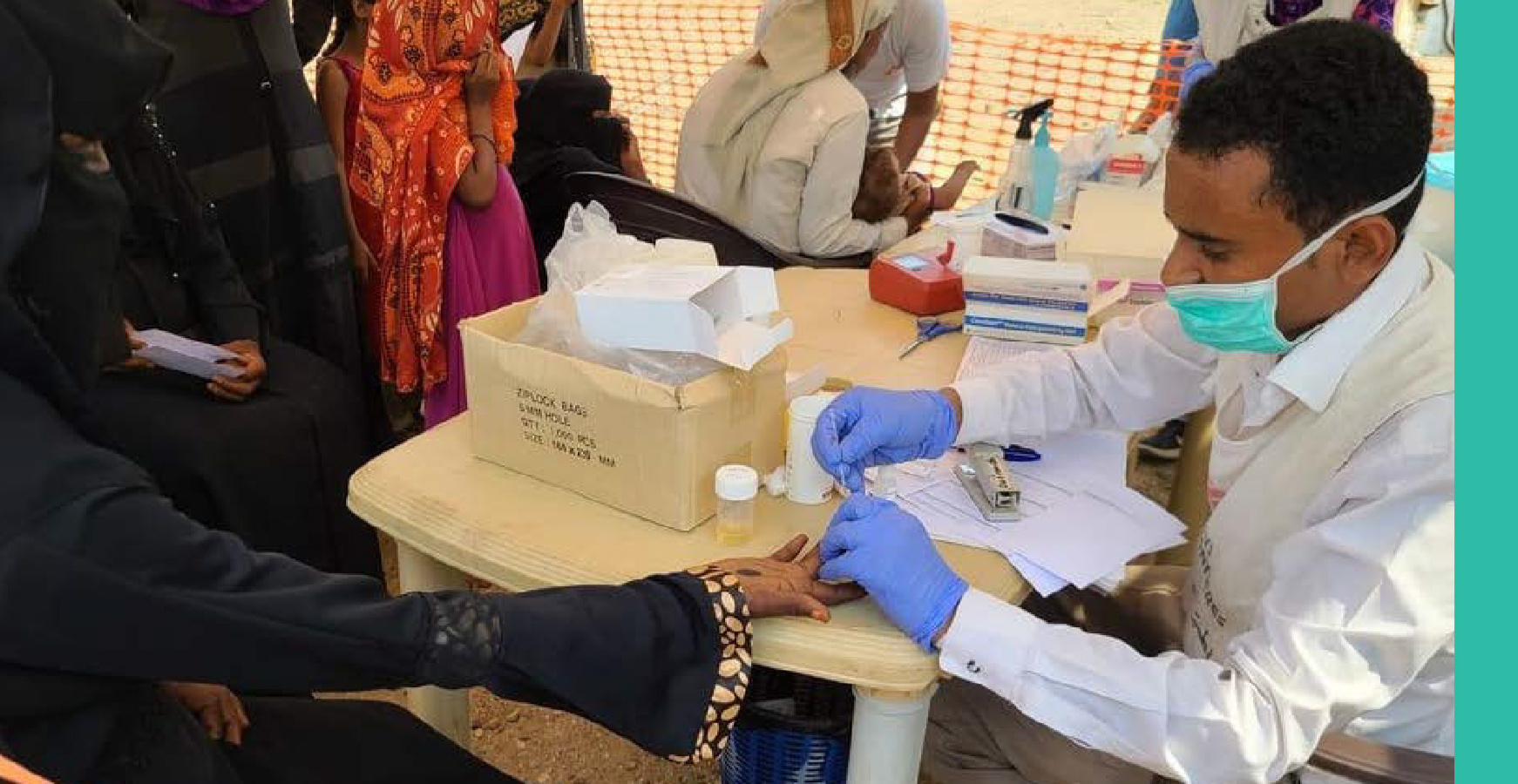
Mozambique, Manica province, Gorongosa district, Nhacadhongo village – 22 June 2022. An ICRC mobile health team vaccinates residents in remote communities and provides COVID-19 prevention advice. Photo by Ricardo Franco / ICRC


At the end of the course, you will be able to:

  • Define what are the key concepts related to Quality of care;
  • Identify and analyse a patient safety incident;
  • Implement “best practice” tools to prevent a recurrence of the incident;
  • Create a safety culture and team in your work environment.

Around 20-25 hours of work each week, including:

  • Asynchronous self-study activities (such as case studies, videos, recorded slideshows, readings, etc.)
  • Synchronous live sessions (2-3 times per week)
  • Key concept of Quality of care
  • Transformative concepts of effectiveness and safety;
  • Challenges in humanitarian settings;
  • Healthcare related incident analysis following the “London protocol”;
  • Communication and patient incident disclosure;
  • Second victim and regrets management;
  • Just culture;
  • Safety culture;
  • Team building and communication: SBAR, TeamSTEPPS (Team Strategies and Tools to Enhance Performance and Patient Safety).
  • Professionals in the humanitarian, development or social sector looking to develop their competences in humanitarian advocacy;
  • Professionals from other sectors (PR, policy makers, government representatives, grassroot groups, association representatives) who wish to increase their understanding of humanitarian advocacy;
  • Graduate students with relevant volunteer or intern experience, looking to undertake a postgraduate course to explore the specificities of advocacy in the humanitarian sector.

Interested in applying? Learn more about the admission requirements and application process here.